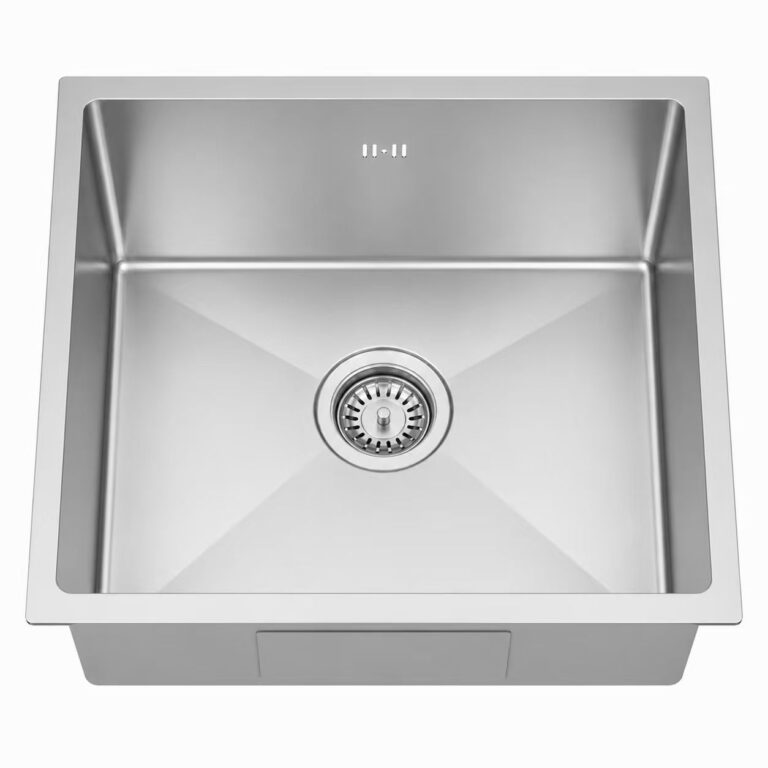
Definieren Sie Ihr Küchenerlebnis neu
Unsere handgefertigten Spülen werden von erfahrenen Handwerkern hergestellt, und jedes Stück ist ein einzigartiges Kunstwerk.

Sie möchten also Ihre eigene Spülbeckenmarke auf den Markt bringen? Hier erfahren Sie genau, wie das geht – ganz ohne eigene Fabrik.
Beginnen wir mit einer Zahl, die Sie vielleicht überraschen wird: $3,91 Milliarden**. Das ist das derzeitige Volumen des weltweiten Marktes für Küchenspülen. Bis 2032 wird er voraussichtlich fast **$6 Milliarden erreichen, und einige Prognosen gehen von $7 Milliarden bis 2035 aus.
Der Markt wächst, so einfach ist das. Die eigentliche Frage ist nicht falls Es gibt Platz für eine neue Marke – es ist wie Du wirst dir dein Stück sichern.
Sie brauchen keine eigene Fabrik. Sie brauchen kein Startkapital in Millionenhöhe. Was Sie tun Was Sie brauchen, ist ein klarer, schrittweiser Leitfaden – und der richtige Partner, der Sie dabei begleitet. Genau das bietet Ihnen dieser Leitfaden. Lassen Sie uns gleich loslegen.
“Kenne den Feind und kenne dich selbst; dann wirst du in hundert Schlachten niemals in Gefahr geraten.” – Sun Tzu.
Bevor du auch nur ein einziges Waschbecken entwirfst, musst du die Gegebenheiten kennen.
Der Markt auf einen Blick:
| Metrisch | Zahl |
|---|---|
| Weltweites Marktvolumen (2025) | ~$3,8 Milliarden |
| Prognose für das Jahr 2035 | ~$7 Milliarden |
| Jährliche Wachstumsrate | 4–6.5% |
| Anteil von Edelstahl | Über 50% |
| Einbecken-Spülbecken | ~49% des Gesamtumsatzes |
Wer spielt schon mit?
Woher kommt das Wachstum?
Wonach sehnen sich die Kunden heute?
Fazit: Wenn Sie gerade erst an den Start gehen, sind Waschbecken an den Arbeitsplätzen kein “nettes Extra” mehr – sie gehören mittlerweile zur Grundausstattung. Wer darauf verzichtet, hinkt bereits hinterher.
Zeit, ins Detail zu gehen. Beantworten Sie diese fünf Fragen, und schon haben Sie Ihre Produkt-DNA.
1. Welches Material?
Edelstahl dominiert den Markt – mit einem Marktanteil von über 50%. SUS 304 ist der Goldstandard: korrosionsbeständig, lebensmittelecht und erschwinglich. SUS 316 ist widerstandsfähiger (ideal für Küstengebiete), kostet aber mehr. Für die meisten neuen Marken ist 304 der ideale Kompromiss.
2. Welche Schalenkonfiguration?
3. Welche Stärke?
16-Gauge (ca. 1,5 mm) ist die erste Wahl – leiser und langlebiger. 18-Gauge ist dünner und günstiger. Wenn Sie einen guten Ruf in Sachen Qualität genießen möchten, entscheiden Sie sich für 16-Gauge.
4. Welche Oberflächenbehandlung?
5. Welche Art der Installation?
Pro-Produktstrategie: Starten Sie nicht mit 50 Artikelnummern. Beginnen Sie mit 3–5 Vorzeigeprodukten:
Testen, Feedback einholen und dann expandieren. Die besten Marken wachsen auf der Grundlage echter Kundenmeinungen, nicht aufgrund von Vermutungen.
Diese eine Entscheidung entscheidet über Erfolg oder Misserfolg Ihrer Marke. Die Wahl der billigsten Fabrik bedeutet oft minderwertige Qualität – und Ihr Ruf ist ruiniert, bevor er überhaupt entstanden ist.
Worauf Sie bei einem Spülenhersteller achten sollten:
| Kriterium | Warum das wichtig ist |
|---|---|
| Werksgröße und -kapazität | Über 8.000 m² zeugen von echter Produktionskraft |
| Zertifizierungen | UPC (USA/Kanada), WRAS (Großbritannien), CE (EU) – unverzichtbar |
| Anpassung | Können sie Sondergrößen, Logos und Oberflächenausführungen anbieten? |
| Lieferzeit | Die 30-tägige Lieferzeit pro Charge ist branchenweit unübertroffen |
| Durchlaufzeit der Proben | Maßgeschneiderte Muster innerhalb von 7 Tagen = Wettbewerbsvorteil |
| Qualitätskontrolle | ISO 9001 ist der Mindeststandard; erkundigen Sie sich nach deren Qualitätssicherungsprozess |
Zertifizierungen leicht verständlich erklärt (in einfacher Sprache):
Realitätscheck: Viele chinesische Fabriken erfüllen nicht alle drei Kriterien. Diejenigen, die dies tun, sind selten – und genau diese Seltenheit ist Ihre Chance.
Ein Beispiel aus der Praxis – JSD Sinks
JSD wurde 2016 in Zhongshan, Guangdong, gegründet und ist nicht einfach nur eine weitere Fabrik. Das Unternehmen verfügt über:
Aber hier kommt der Clou: JSD hat eine eigene Marke namens ARTISAN aufgebaut, die mittlerweile in Korea die führende Marke für Spülen im mittleren bis oberen Preissegment ist. Das ist kein Zufall – es ist der Beweis dafür, dass sie wissen, wie man eine Marke aufbaut, und nicht nur Metall stanzt. Wenn Ihr Hersteller diesen Weg gegangen ist, wird er zu einem echten Partner und nicht nur zu einem Lieferanten.
Du hast ein Produkt. Jetzt gib ihm eine Seele.
Beantworten Sie die folgenden Fragen, um Ihre Position zu definieren:
Entwickeln Sie Ihre Markengeschichte – Ein Waschbecken ist zwar nicht gerade sexy, aber das Erfahrung wie nützlich der Einsatz eines solchen sein kann. Fragen Sie sich selbst: Warum habe ich damit angefangen? Welches Problem löse ich damit? Was ist meine Einstellung zur Küche?
Beispiel: “Wir glauben, dass die Küche das Herzstück des Zuhauses ist – und die Spüle ihr Motor. Wir entwickeln Produkte, die das Kochen und Aufräumen zu einem echten Vergnügen machen.”
Name und Bildmaterial – Der Name sollte kurz, einprägsam und weltweit leicht auszusprechen sein. Logo, Farben und Verpackung sollten alle auf ein und denselben Stil abgestimmt sein.
Eine strategische Falle, die es zu vermeiden gilt: Versuche nicht, für jeden alles zu sein. Es ist besser, wenn du der am besten Lieber eine Option für eine bestimmte Zielgruppe – Renovierer, Designer oder gewerbliche Käufer – als für alle nur mittelmäßig zu sein.
Ihre Verpackung ist das Erste, was Ihr Kunde sieht Berührungen. Das prägt die gesamte Erwartungshaltung.
Eine gute Verpackung erfüllt vier Funktionen:
Praktische Must-haves für die Verpackung von Spülbecken:
Profi-Tipp: Ihre Verpackung ist zudem kostenlose Werbung. Wenn ein Handwerker Ihre Verpackung auf einer Baustelle öffnet, sehen andere Handwerker sie. Wenn ein Hausbesitzer sie auspackt, macht er vielleicht ein Foto für die sozialen Medien. Gestalten Sie sie so, dass sie „Instagram-tauglich“ ist – das ist die günstigste Werbung, die Sie je schalten werden.
Du hast es geschafft. Jetzt bring es zu deinen Kunden.
Versand aus China – Ihre Möglichkeiten:
| Verfahren | Kosten | Geschwindigkeit | Am besten geeignet für |
|---|---|---|---|
| Seefracht (LCL) | Niedrig | 30–45 Tage | Kleine Mengen, preisbewusst |
| Seefracht (FCL) | Mittel | 25–35 Tage | Vollcontainer – beste Stückkosten |
| Luftfracht | Hoch | 5–10 Tage | Eilaufträge, Muster |
| Express (DHL/FedEx) | Sehr hoch | 3–5 Tage | Muster, Prototypen |
Cleverer Schachzug: Arbeiten Sie mit einem Hersteller zusammen, der die Logistik für Sie übernimmt. JSD bietet ein 2.000 m² großes Lager und kostenlose Lagerung – das Unternehmen produziert Ihre Bestellung, lagert sie kostenlos ein und versendet sie in Chargen, sobald Sie sie verkaufen. So müssen Sie zu Beginn kein eigenes Lager mieten – ein enormer Vorteil für Ihren Cashflow.
Zoll und Abgaben – Informieren Sie sich über Ihren HS-Code (in der Regel 7324 für Spülbecken). Arbeiten Sie mit einem Spediteur zusammen und berücksichtigen Sie die Zölle in Ihrer Preisgestaltung (USA ~3‑6%, EU ~3‑7%, Großbritannien ~3‑6%).
Nun – wie erreicht man die Menschen?
E-Commerce (DTC) – höchste Margen, direkte Geschäftsbeziehungen, aber man muss Besucher auf die Seite bringen.
Großhandel / B2B – größere Aufträge, planbare Umsätze, aber geringere Margen.
Handel / Designer-Programme – Innenarchitekten wählen Ihre Spülen für ihre Projekte aus.
B2B-Marktplätze – Alibaba, Made in China.
Die Erfolgsstrategie: Wählen Sie einen Kanal aus und meistern Sie diesen zunächst – am besten E-Commerce. Bauen Sie Ihre Marke auf, sammeln Sie Feedback, verfeinern Sie Ihr Konzept und expandieren Sie dann. Übernehmen Sie sich nicht.
Baue es, aber sie werden nicht kommen, wenn sie nichts davon wissen.
Content-Marketing – Schreibe Blogbeiträge, die echte Fragen beantworten:
Wenn Sie bei diesen Suchbegriffen gut ranken, kommen die Kunden von selbst zu Ihnen.
Soziale Medien –
Bezahlte Anzeigen –
PR – Muster an Designer und Influencer verschicken, sich bei Wohnblogs bewerben, an Designwettbewerben teilnehmen.
Kundenrezensionen – Ihr am meisten unterschätztes Kapital. Jeder zufriedene Kunde ist eine wandelnde Werbung. Bitten Sie um Bewertungen, stellen Sie diese gut sichtbar dar und antworten Sie auf jede einzelne – egal, ob gut oder schlecht.
Reden wir über Zahlen – denn Leidenschaft allein bezahlt die Rechnungen nicht.
Typische Kostenstruktur (als % des Umsatzes):
| Kostenposition | Prozent |
|---|---|
| Fertigung (FOB China) | 35–45% |
| Versand & Logistik | 10–15% |
| Zoll und Abgaben | 5–10% |
| Marketing | 10–20% |
| Plattformgebühren | 5–10% |
| Gehäuse | 5–10% |
| Angestrebte Bruttomarge | 50–60% |
| Ziel-Nettogewinn | 15–25% |
Preisgestaltung:
Lerne aus den Fehlern anderer, damit du sie nicht wiederholst.
Die günstigste Fabrik auswählen.
Zertifizierungen überspringen.
Die Versandkosten unterschätzen.
Kein Marketingbudget.
Der Versuch, alles selbst zu erledigen.
Ein Spüle Markenaufbau ist nicht einfach – aber durchaus machbar.
Der Markt wächst. Die Nachfrage der Verbraucher nach Qualität, Design und Funktionalität steigt. Und die Produktionsinfrastruktur – insbesondere an Standorten wie Zhongshan in China – ist Weltklasse.
Deine Vorgehensweise ist klar:
“Strategie ohne Taktik ist der langsamste Weg zum Sieg. Taktik ohne Strategie ist das Vorboten der Niederlage.” – Sun Tzu.
Die Strategie hast du. Jetzt ist es Zeit für die Taktik.
Ihr nächster Schritt: Besuchen Sie jsd‑sinks.com. Sehen Sie sich das Angebot an. Fordern Sie ein Angebot an. Fragen Sie nach individuellen Mustern.
Das Einzige, was zwischen Ihnen und Ihrer Marke steht, ist das Handeln – und das liegt ganz in Ihrer Hand.
Dieser Leitfaden wurde Ihnen von JSD Sinks zur Verfügung gestellt – Ihrem Partner vom Konzept bis zur Serienfertigung. Mit einer Produktionsfläche von 8.000 m², über 200 Formen, Zertifizierungen nach ISO 9001, CE, UPC und WRAS sowie einer nachweisbaren Erfolgsbilanz beim Aufbau der Marke ARTISAN in Korea verfügt JSD über die Kapazitäten und die Erfahrung, um Ihre Spülbeckenmarke zum Leben zu erwecken.