Redefine your kitchen experience
Our handmade sinks are created by experienced craftsmen, and each piece is a unique work of art.


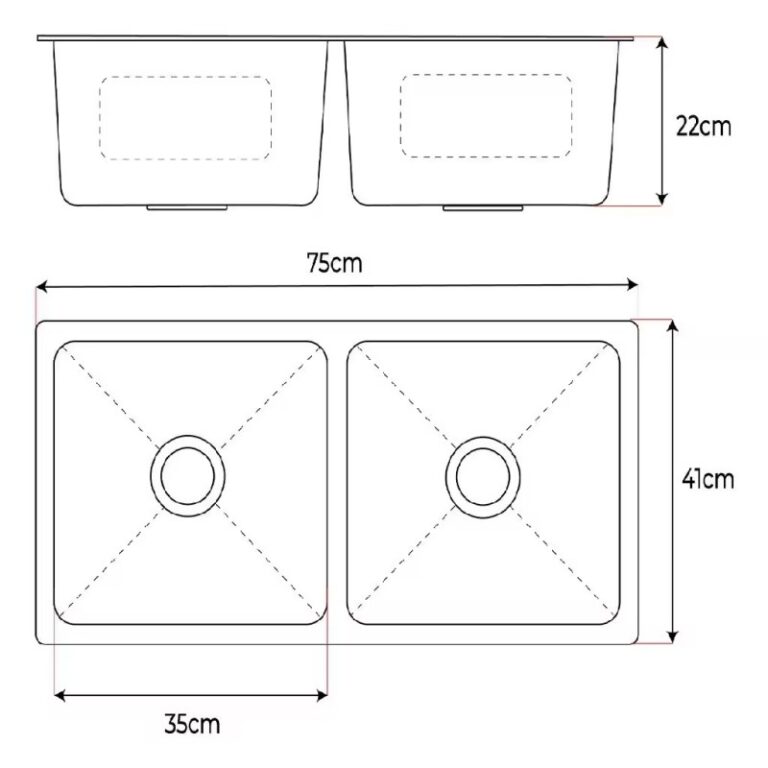
The right sink should feel effortless when you’re rinsing vegetables, scrubbing a roasting pan, or stacking dishes after dinner. The wrong one can leave you bending awkwardly, dealing with splashes on your cabinets, or constantly wiping away water spots.
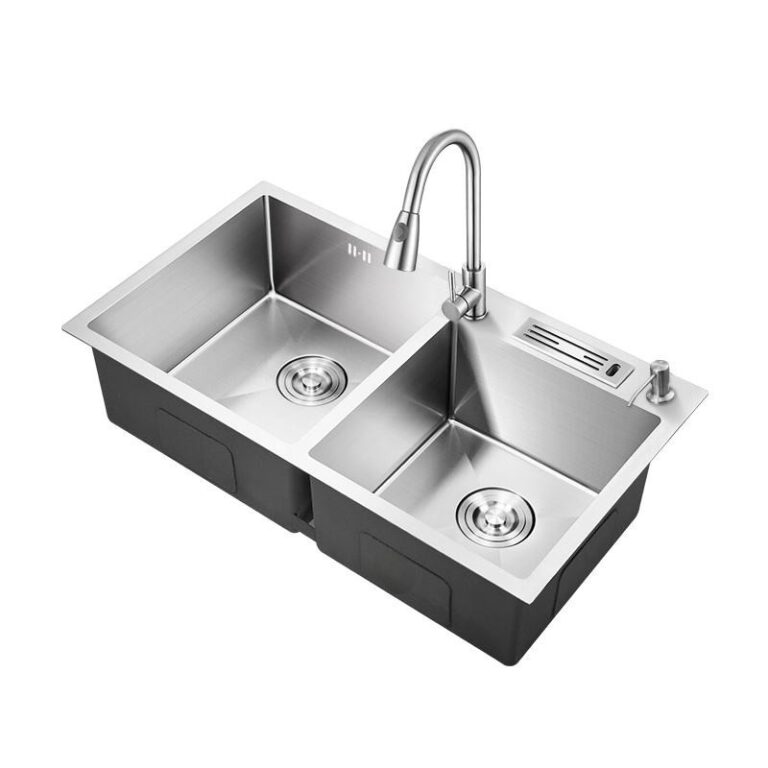
Choosing the right sink size isn’t only about “fitting” — it changes how you cook, clean, store, and enjoy your kitchen. Below you’ll get a practical sizing chart, metric conversions, ergonomics, installation constraints, material trade-offs, pro tips and a compact checklist to make the decision simple and confident.
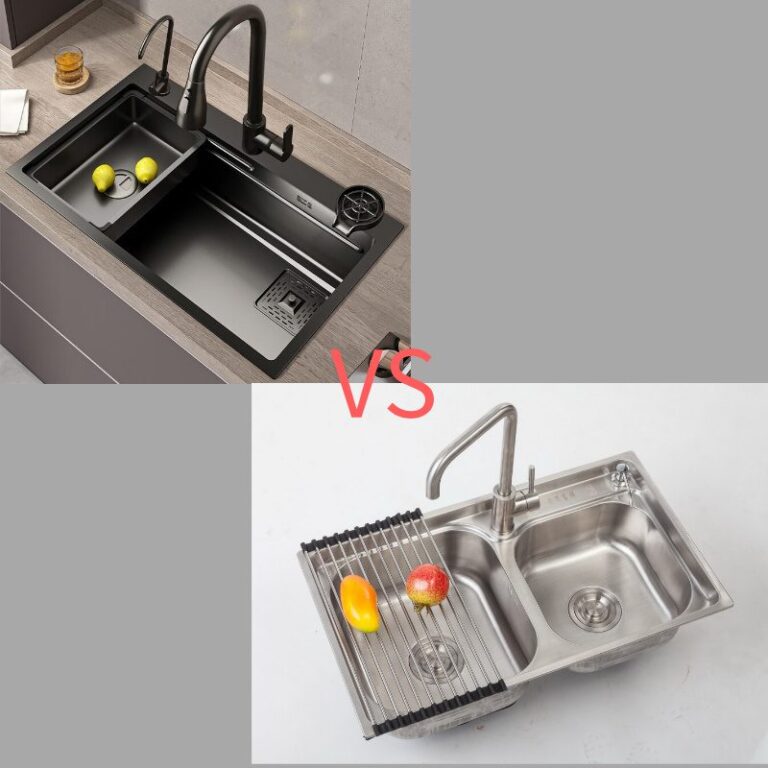
Choosing a kitchen sink feels small — until you realize how often you use it, how much style it contributes, and how long it needs to last. Two very different production philosophies dominate the market: handmade (artisan / hand-finished) sinks and pressed (stamped / mass-produced) sinks.
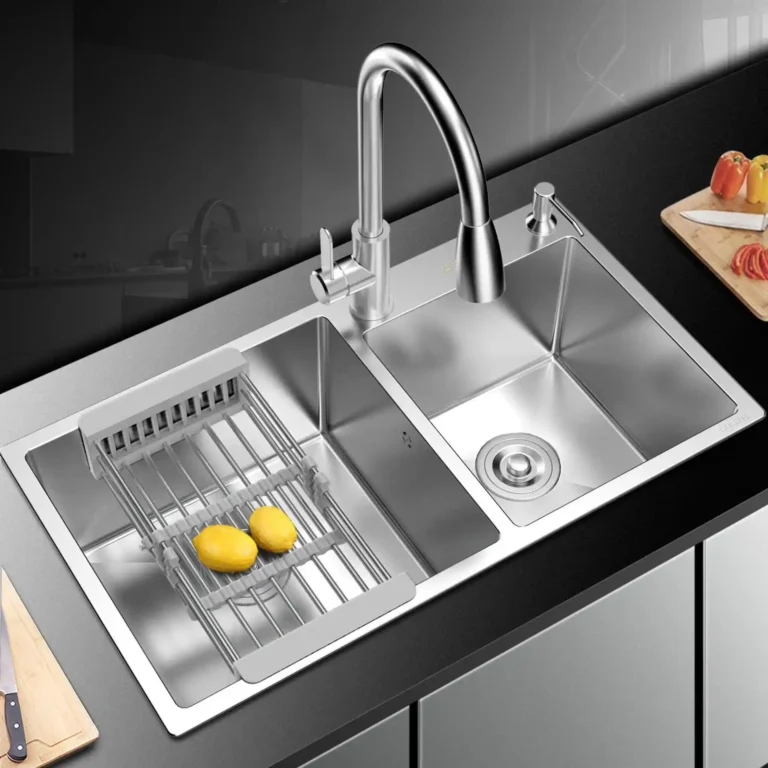
This guide goes beyond the usual “wipe it dry” advice: you’ll learn why spots form, safe and effective removal methods, preventative habits, and a few pro hacks (squeegee, wax, softeners) to keep your sink looking showroom-fresh.
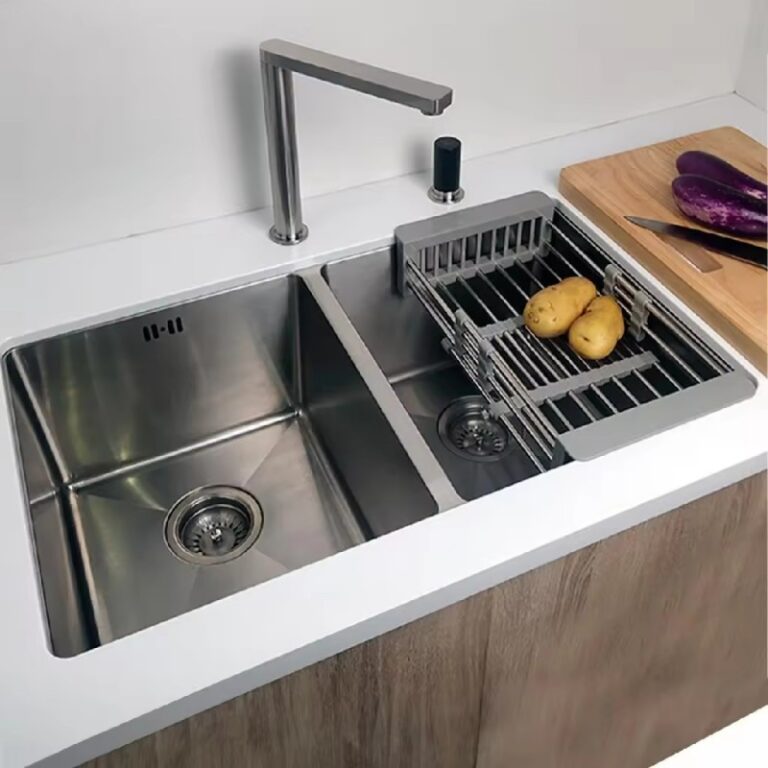
Undermount sinks give countertops that clean, waterfall edge designers love — but the invisible work that makes them reliable is curing time. Rushing use before adhesives and sealants finish curing is one of the fastest ways to get leaks, sagging, or failed bonds down the road.
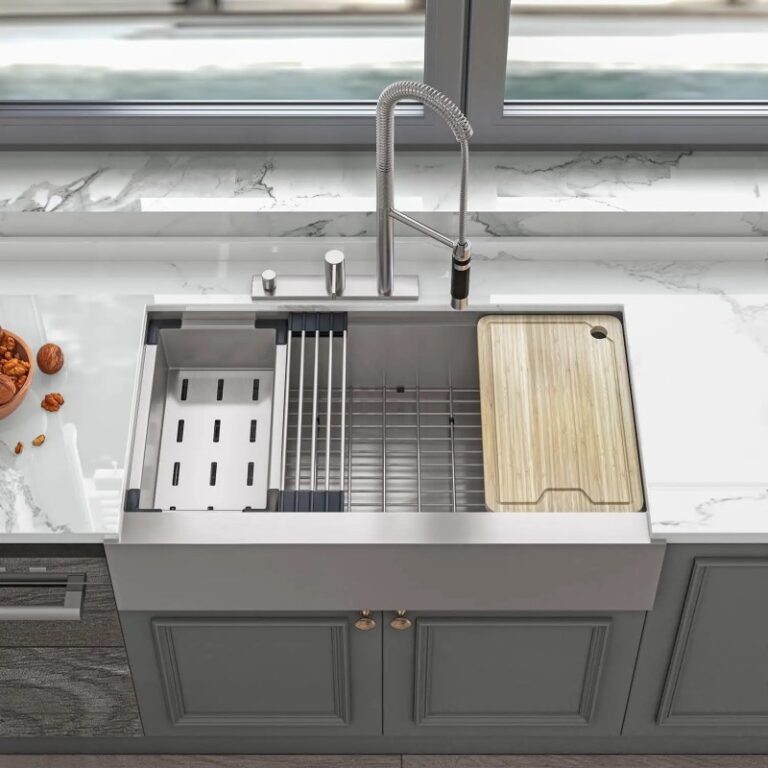
Apron-front sinks (often called farmhouse sinks) have been a kitchen design staple for years. They’re bold, practical, and unmistakable — but trends shift, and homeowners ask: are these sinks still a good choice, or a dated fad?
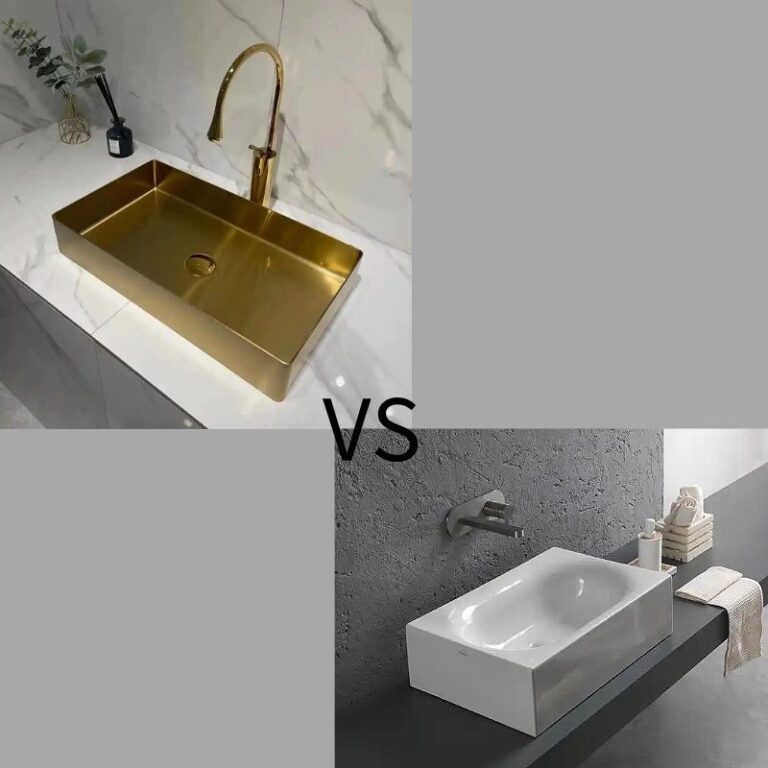
Choosing a new bathroom sink sounds easy until you start weighing durability, style, noise, and cleaning. Below I’ll walk you through the real differences between stainless steel and ceramic (porcelain/glazed-ceramic) sinks in a straightforward, human way
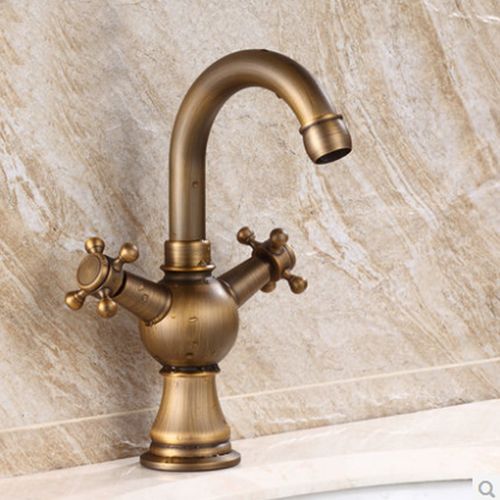
This post digs deeper than a showroom blurb: we’ll examine copper’s self-protecting chemistry, how its surfaces fight microbes, why copper scores for circularity, how patina changes user experience, and how to weigh long-term costs versus stainless steel alternatives.
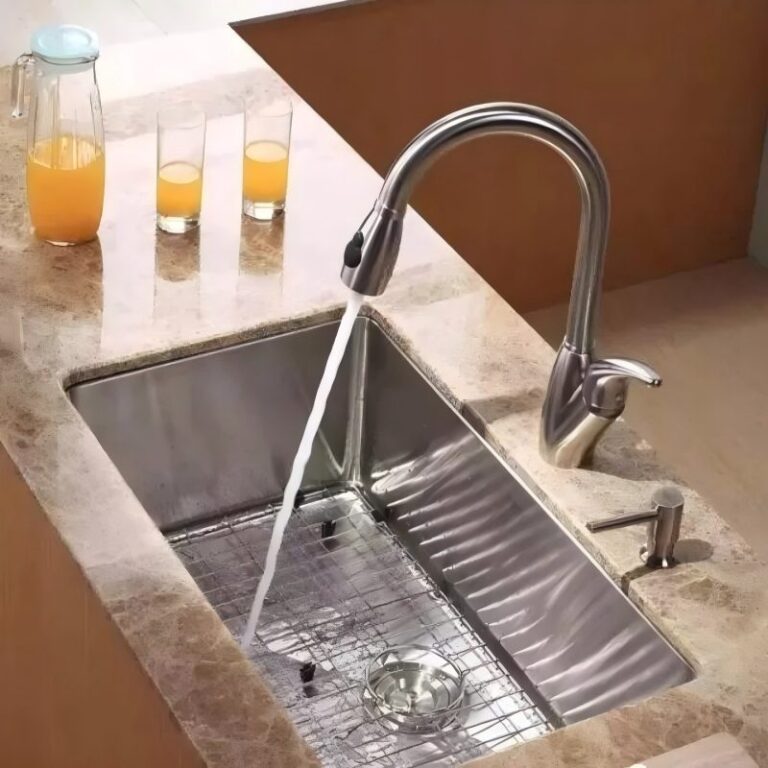
As one of the most frequently used functional areas, the choice of a kitchen sink directly impacts cooking efficiency and the cleaning experience. This article addresses the most common sink selection dilemma in home renovation—single or double sink? Countertop or undermount installation?
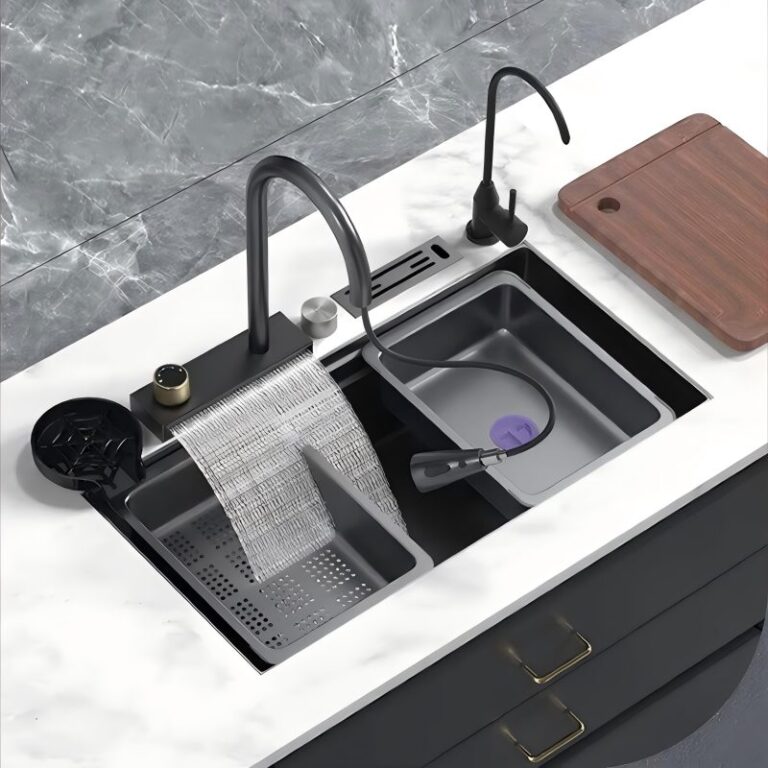
Raindrop sinks, with their unique water flow pattern and modern aesthetic design, have become a trendy choice for modern kitchen renovations. They reduce splashing through a dense, gentle water flow and are often combined with technologies such as nano-coatings and smart controls to enhance the cleaning experience and kitchen style.
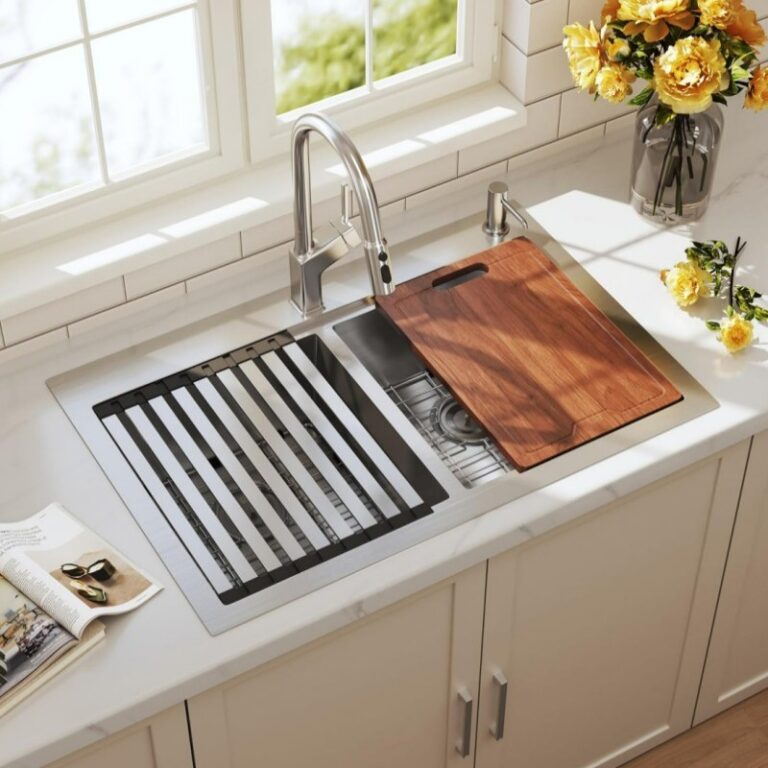
If you’ve ever stood in a showroom staring at ten sinks that all claim to be “premium,” you already know the truth: most kitchen sinks look good on day one — very few stay good in year five.
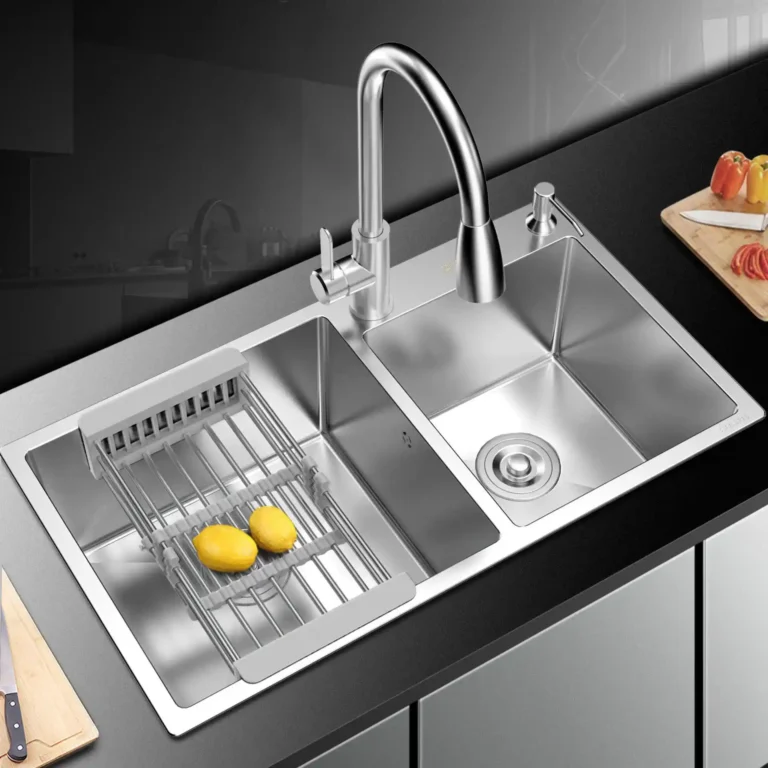
A sink doesn’t expire the way a warranty does. It wears into your routine. Slowly. Quietly. Until one day you realize you’ve been adapting to it instead of using it.