Redefine your kitchen experience
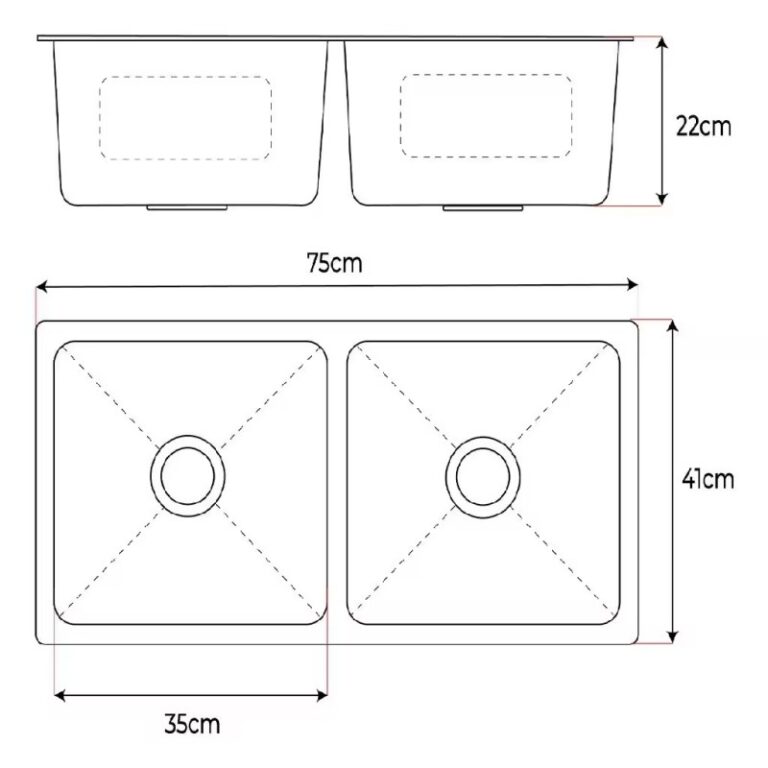
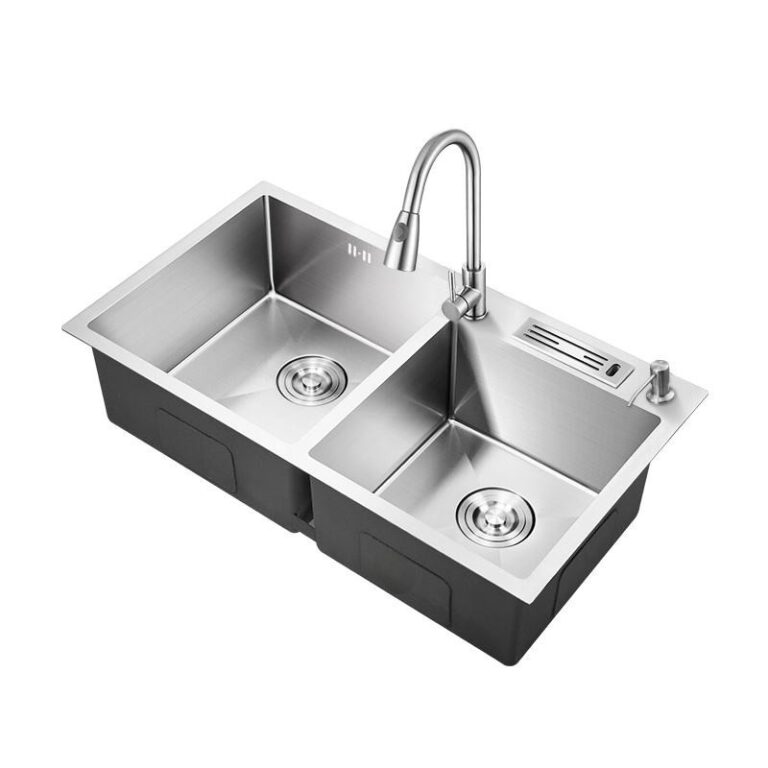
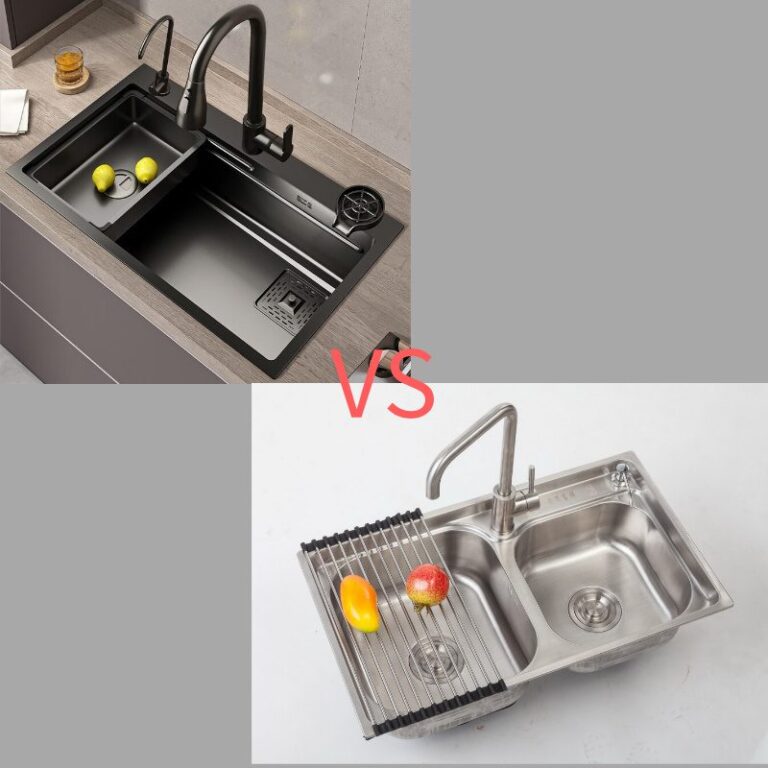
Our handmade sinks are created by experienced craftsmen, and each piece is a unique work of art.

Abstract: Copper’s oxidation isn’t damage — it’s a living skin that protects, wards microbes, ages beautifully, and keeps value long after the sale.
Short description: copper grows a protective skin that stabilizes the metal; stainless resists corrosion differently and can be surprisingly sensitive to the wrong environment.
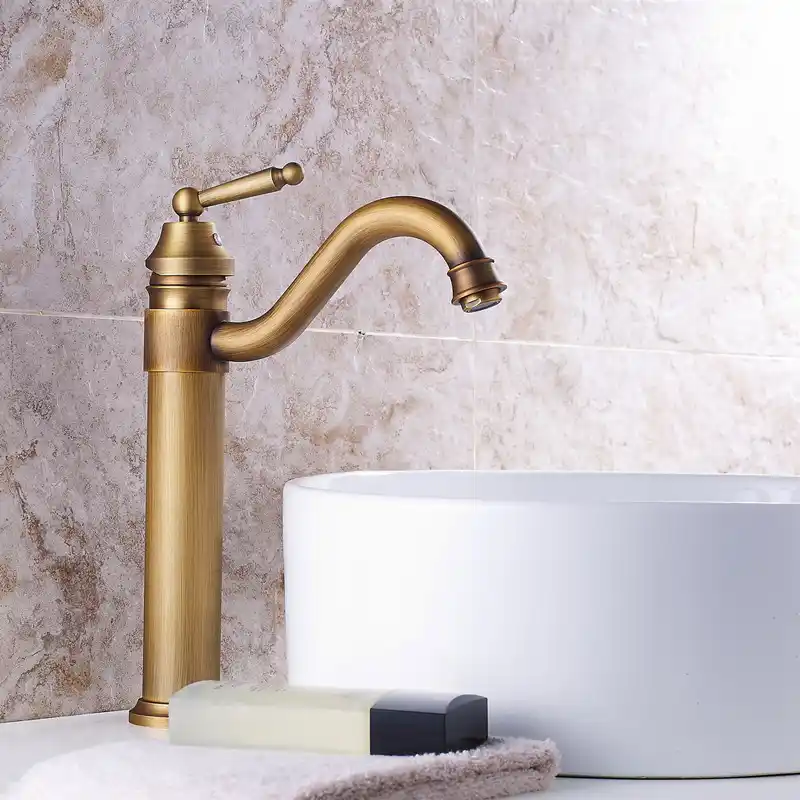
Imagine a copper faucet as someone who learns from every weathering — small, obedient layers build up and protect what’s underneath. That brown-to-green patina isn’t sloppy decay; it’s a thin, attached jacket that slows further attack. In practice, that means a copper spout often keeps working while its surface quietly rearranges itself.
Stainless steel uses another trick: chromium forms an ultra-thin oxide that acts like skin too. It’s brilliant when the alloy grade matches the job. But boost hardness to resist dents and you sometimes create trade-offs — a tougher alloy isn’t always the safest choice in salty coastal air or with aggressive cleaners. In short: copper’s aging is an obvious, visible defence; stainless’s protection is subtle and grade-dependent. Match the metal to the place and you avoid surprises.
Short description: copper releases ions that shorten the life of many microbes on contact, adding a layer of passive protection between cleanings.
Copper is quietly useful in the background. When bacteria touch it, chemical interactions damage their membranes and speed their demise. That’s why hospitals and some kitchens experiment with copper or high-copper alloys on handles and fixtures — you get a continuous, passive reduction in surface microbes.
But don’t treat copper like a magic shield. Grease and scale can hide microbes from the metal’s action. Think of copper as a teammate: it helps, but regular cleaning keeps it effective. Want the full antimicrobial edge? choose high-copper alloys and avoid coatings that completely block ion exchange.
Short description: copper is one of the most recyclable metals — reclaimed copper behaves like new, making faucets a material that keeps value over time.
If materials had reputations, copper would be “easy to reuse.” Recycled copper keeps its properties and avoids the heavy energy costs of mining and refining fresh metal. For projects that plan to last decades, specifying solid copper or separable assemblies increases the chance that most of the material will be reclaimed later.
Note: composite or heavily plated products are harder to recycle. If circularity matters, call it out in the spec: ask for separable parts and clear alloy labels.
Short description: copper tells a time-based story as it ages; stainless stays steady and modern — neither is better, they simply speak different design languages.
A copper faucet changes the room over time. New, it’s warm and lively; years in, it reads like a well-lived object. People respond emotionally to that — it feels handcrafted, honest, human. Stainless steel, by contrast, is calm and restrained: predictable, hygienic, and visually neutral.
One less-talked-about factor is texture. Brushed or hammered surfaces hide spots and make patina more forgiving; mirror polish demands maintenance. Think beyond color: finish texture and how a surface catches light will shape the whole ownership experience.
Short description: copper’s higher upfront price can pay back through longevity, lower replacements, and better end-of-life value — but it depends on context.
Yes, copper often costs more at purchase. But the real question is: how many times will you replace the cheaper tap? Add maintenance, downtime, and eventual disposal value and the math often shifts. Copper tends to hold scrap value; it also ages in a way that many owners find acceptable rather than replacing for fashion reasons.
That said, if you manage rental units, or you need standardized spares and minimal capex, stainless is usually the smarter short-term play. Think in decades, not days, when deciding whether copper’s story matters to your budget.
Short description: copper suits design-forward, long-term projects; stainless serves standardized, budget-aware markets.
Copper sells on story: provenance, craft, and longevity. You’ll see it in boutique restaurants, heritage homes, and design-forward builds. Stainless is everywhere else — mass-market, commercial kitchens, developer packages — because it’s familiar, easy to source, and fits plumbing systems without drama.
If you’re the buyer, ask: do I want a fixture that ages into its space, or one that keeps the room visually constant? The answer points you to the metal.
Short description: small rituals and thoughtful specs keep either metal working and looking the way you want.
• Lacquered vs unlacquered: lacquer keeps a new look and lowers cleaning needs but can scratch; unlacquered embraces patina and makes copper’s surface more ‘active.’
• Water matters: coastal, hard, or sulfur-rich waters each leave different marks — tell suppliers about your location.
• Routine: wipe with mild soap and a soft cloth after heavy use; avoid bleach and harsh abrasives.
• If you want bright copper: occasional gentle polishing restores shine — expect to do it if you want that “new penny” look.
• Alloy check: many “copper” taps are brass or bronze; ask for alloy composition if antimicrobial performance or patina behavior is important.
• Installation tip: use separable fittings and avoid over-tightening plated components so future repairs and recycling are easier.
Short description: copper’s change over time gives protection, microbial help, and circular value; stainless offers stability and predictability — pick based on what you truly value.
If you like objects that age like people — gaining character and stories — copper rewards you. If you prefer a steady, low-maintenance background element, stainless is an excellent, practical choice. Match finish, alloy, and care to your environment and intentions, and your faucet becomes more than hardware: it becomes part of the home’s life.