Redefine your kitchen experience
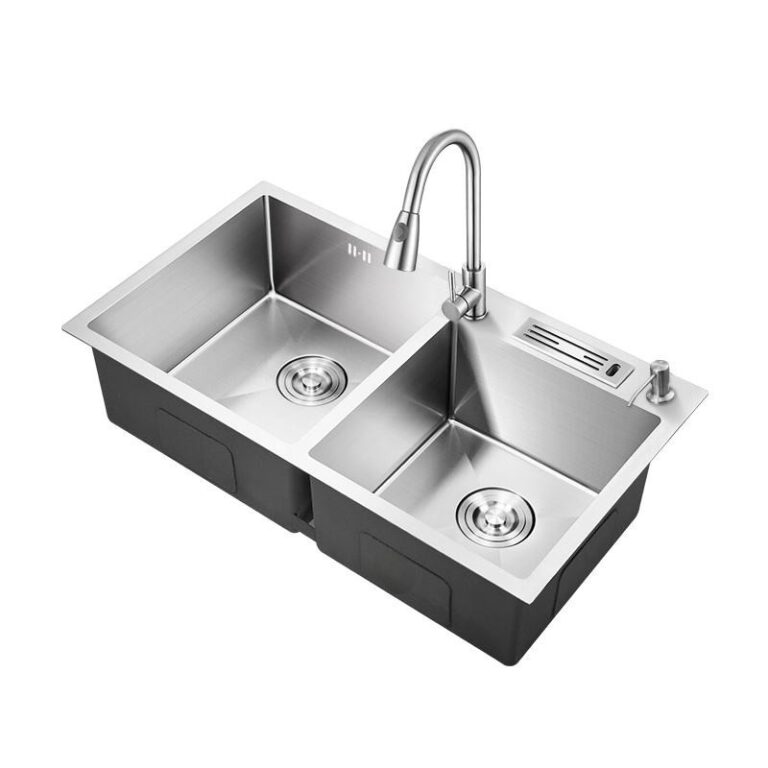
Our handmade sinks are created by experienced craftsmen, and each piece is a unique work of art.

A pragmatic, buyer-focused guide for wholesalers, distributors and procurement managers
Choosing a kitchen sink is no longer just about looks. For procurement managers buying at scale (retailers, supermarkets, contract fit-outs), the maintenance profile of a sink — how often it needs cleaning, which cleaners it tolerates, how likely it is to chip/repair, and how long it keeps a “new” look — is a major part of total cost of ownership. Below I break down the real-world maintenance implications of the most common sink materials and installations, give a short decision matrix you can use when specifying sinks for different channels, and finish with concrete buying tips and product/brand comparison points you can use in specs and bids. This goes deeper than most competitor posts (for example JSD’s article on maintenance cost), adding lifecycle thinking, labor-cost estimates, and installation-risk checks you can act on today. (JSD Sink Homepage)
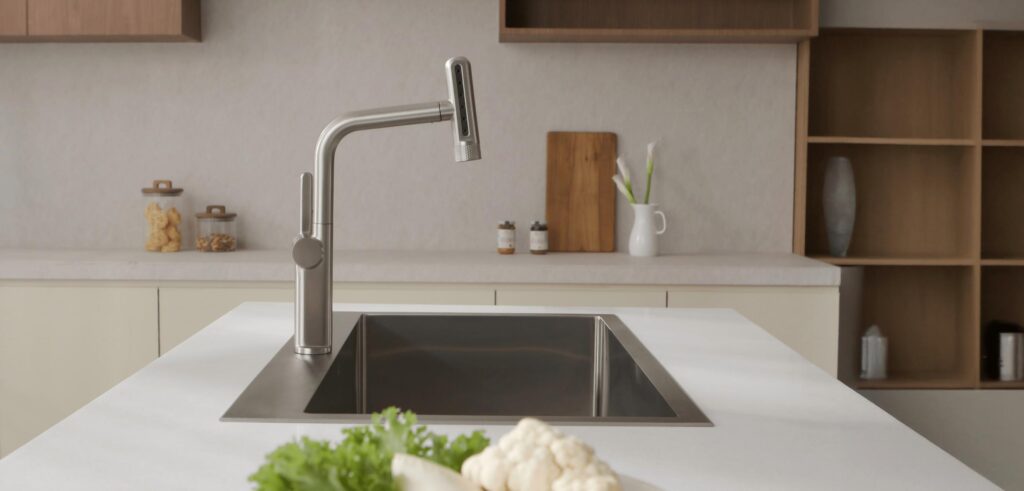
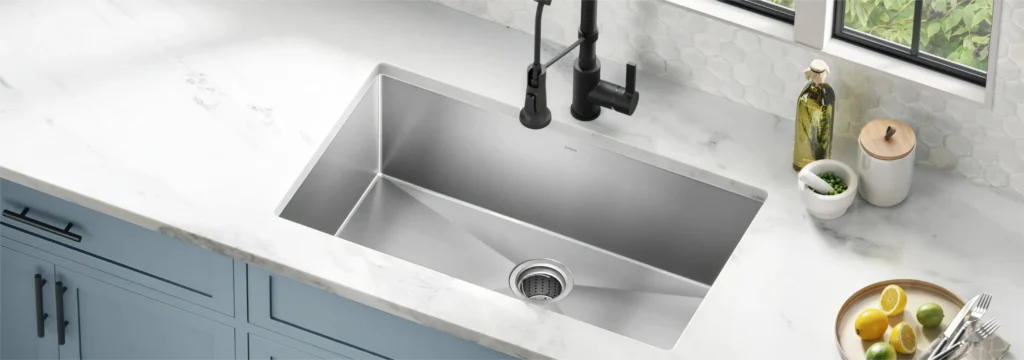
Short answer for purchasing decisions: for most mass-market and commercial use-cases, stainless steel (18-10 or 304-grade, 0.8–1.2 mm gauge for domestic; heavier gauges for commercial kitchens) is the easiest and lowest-maintenance choice overall. It resists rust and staining, tolerates common cleaning agents, repairs are inexpensive (or unnecessary), and cleaning is fast — all of which reduce labour and replacement costs. For buyers comparing different sink categories, stainless steel remains the safest long-term option across undermount sinks and topmount sinks.
Subtitle — practical metrics, not aesthetics
Using these metrics will highlight different winners for domestic showrooms, supermarket display kitchens, and light-commercial applications (e.g., cafés). (Later I give a small decision matrix you can copy into procurement specs.)
Why it’s easiest: stainless steel resists corrosion, accepts a wide range of cleaners, and is straightforward to keep spotless with a quick wipe and occasional polish. For busy retail or commercial installs, stainless sinks are forgiving: dents or small scratches rarely require replacement; deep cleaning is inexpensive; and labor time to clean per sink is minimal. For best results use satin finishes with a brushed grain to help hide hairline marks — especially on workstation sinks used in high-frequency food prep areas.
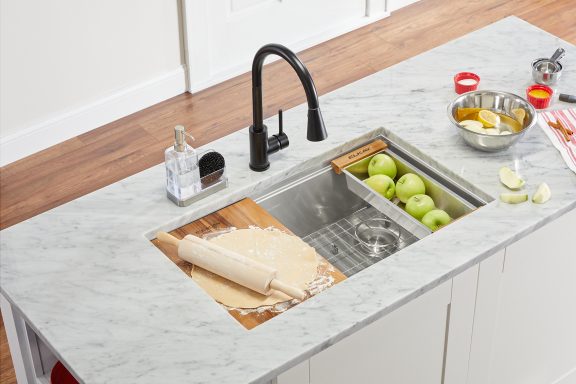
Trade-offs worth noting: thin-gauge cheap sinks dent more easily and show louder “ring” noise. Specify 16–18 gauge for retail/higher-abuse environments.
Why it’s common: these sinks look premium and mask scratches and stains well. Daily cleaning is easy, but they can be sensitive to harsh chemicals and may need periodic colour/finish restoration or resealing depending on resin formulation. When damaged, repair is harder and often more expensive than stainless steel.
Procurement tip: reserve composite sinks for higher-margin product lines where appearance is a sales driver; avoid for low-margin, high-turnover SKUs.
Why they cost more in maintenance: attractive glossy finishes are forgiving for staining but brittle against impact. Chips and cracks are costly to repair and often require replacement. In hard-traffic or heavy-use environments, lifecycle cost rises because of replacement frequency — a common concern when specifying apron sinks for retail display kitchens.
Unique strength: copper has well-documented antimicrobial properties (it disables bacteria on contact), so it can feel hygienic and needs little more than routine rinsing. However, copper patinates (develops a changing surface) and for many buyers that “living finish” is either a selling point or a drawback. Maintenance is simple but cosmetic — owners must decide if evolving patina is acceptable.
Subtitle — the seam is often the real maintenance problem
Procurement implication: if low daily labour is your priority (e.g., self-serve kitchens, showroom demo units), favour undermount with a material that tolerates the counter’s maintenance regime — but budget for occasional silicone resealing in specs. If you need fast field replacement and low installation skill, choose topmount.
Subtitle — daily, weekly, quarterly actions (copy into vendor handbooks)
Estimate labour: for high-volume retail locations, shaving 1 minute per clean × number of sinks × cleaning events per week compounds into real savings — something to include in your TCO.
Subtitle — fast rule-of-thumb for procurement
Subtitle — spec items that prevent surprises
Use these questions in RFPs — they reduce downstream maintenance disputes and warranty claims.
Subtitle — a practical, low-maintenance default
If your priority is minimizing labour, cleaning product complexity, repair/replacement cost and resale/return rates across broad channels: spec 304 stainless steel sinks (16–18 gauge depending on expected abuse), brushed finish, and choose undermount when paired with stone counters — or topmount when you need cheap, fast replacement and a laminate benchtop. For special lines where appearance is the selling point, offer composite/quartz as an upsell but include clear cleaning instructions and a higher-margin SKU to cover eventual repair/replacement costs.
Maintenance is not just about material: it’s material × finish × installation × cleaning policy × user behaviour. Stainless steel wins as the broadly “easiest” sink for maintenance because it minimizes the variables you must control. For procurement teams: bake clear cleaning instructions into your packaging and contracts, require vendor-approved cleaner lists in RFPs, and consider small up-front spec upgrades (better gauge, brushed finish, correct mount type) — they often pay for themselves in lower labour and replacement costs within 2–4 years.