Redefine your kitchen experience
Our handmade sinks are created by experienced craftsmen, and each piece is a unique work of art.

People ask this question as if there’s a clean, universal answer. There isn’t.
Most sink materials are “good” on paper. The difference shows up later — usually when something goes wrong.
A pan slips. A guest drops a glass. Someone cleans with the wrong product.
That’s when you learn whether the material is actually high quality, or just looked good on a product page from a site like JSD Sinks.
Quality doesn’t mean flawless. It means tolerant.
A high-quality sink is one that doesn’t demand constant attention. You use it, clean it quickly, move on. It doesn’t punish you for being in a hurry.
If a sink only looks good when you treat it gently, it’s not practical quality. It’s conditional quality.
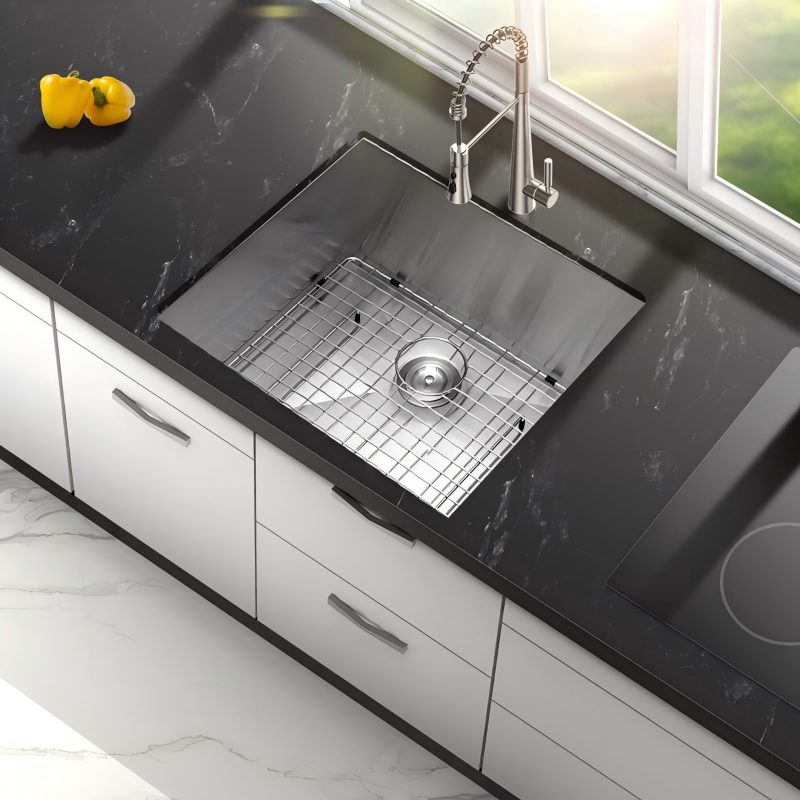
Stainless steel isn’t exciting. That’s the point.
It gets scratched. All of them do. But the scratches don’t ruin it. They blend in, especially on brushed finishes. Over time, the sink looks “used,” not damaged — which is why many manufacturers still prioritize stainless steel across their kitchen sink product ranges.
That difference matters.
Thicker stainless steel behaves differently than thin steel. This is where most people get misled. Thin sinks flex. They sound loud. They dent easily. Thicker ones feel calm. Solid. Predictable.
A good stainless sink doesn’t feel impressive on day one. It feels reliable on day one thousand, especially when built with proper gauge and structure like a premium 16-gauge stainless steel kitchen sink.
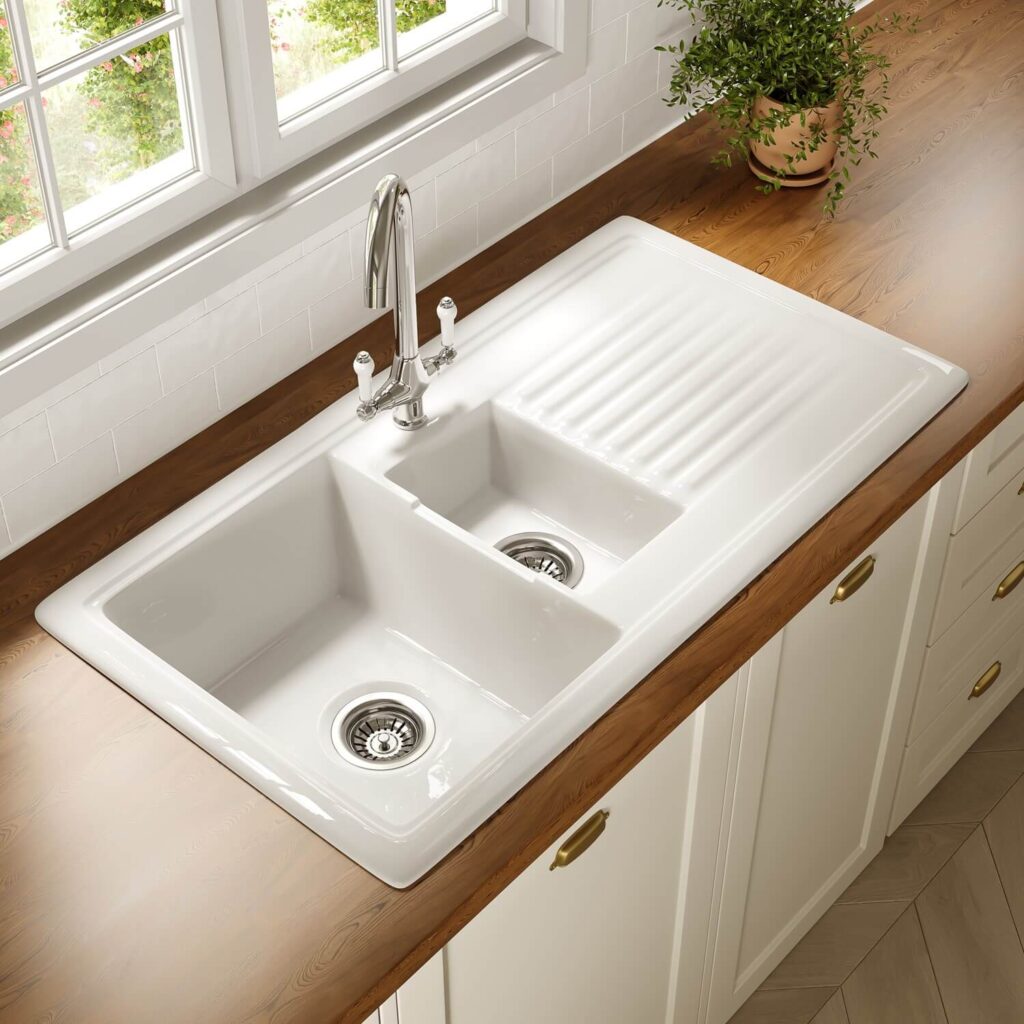
Fireclay sinks photograph extremely well. They’re smooth, bright, and clean-looking.
They also have a memory.
Most of the time, nothing happens. Then one day a heavy pan hits the wrong angle. The sink still works, but the chip stays. Forever.
Some people are fine with that. Others never stop noticing it.
Fireclay isn’t fragile, but it isn’t forgiving either. That’s the trade-off.
Cast iron sinks feel serious. They’re heavy. They don’t move. They last.
The enamel coating is excellent at resisting wear. Until it isn’t.
Once it chips, the problem isn’t cosmetic — it’s exposure. Moisture reaches the iron. Rust becomes a concern. Repairs exist, but they’re never invisible.
This material rewards careful use and punishes accidents. That’s not good or bad. It’s just honest.
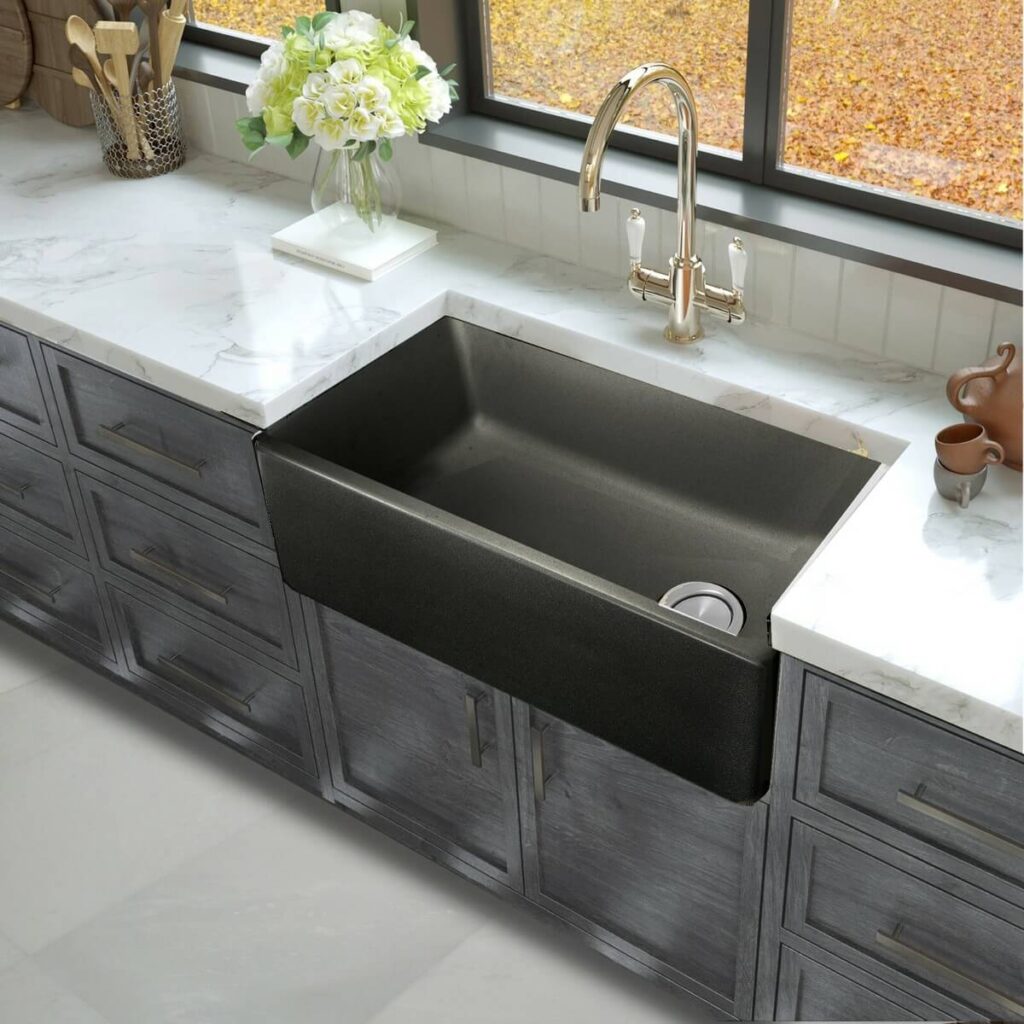
Composite sinks don’t try to impress anyone.
They don’t show water spots easily. They don’t feel cold. They don’t scratch much in daily use. They come in colors people actually want to live with — similar to why many homeowners now choose modern alternatives like a workstation kitchen sink for daily practicality.
Bad composites fail quietly too — fading, chalking, chipping. Good ones feel dense and stable.
Here, brand quality matters more than material category.
Stone sinks and copper sinks fall into this group.
They look great. They age visibly. Some people love that. Others regret it after six months.
If you enjoy maintenance and patina, they can be satisfying. If you want “install it and forget it,” they are not.
They imagine ideal behavior.
They imagine careful cleaning, perfect habits, gentle use. Real kitchens don’t work like that.
Kids exist. Guests exist. Bad days exist.
The best quality sink material is the one that survives those days without demanding attention — which is why many households still default to a well-built undermount sink for everyday resilience.
For most households, the answer isn’t trendy:
Quality isn’t about how a sink looks when it’s new. It’s about how little you think about it years later — something experienced manufacturers explain clearly on pages like their About Us.
And that’s the difference most buying guides never mention.