Redefine your kitchen experience
Our handmade sinks are created by experienced craftsmen, and each piece is a unique work of art.

Introduction — the choice you actually feel at 7 p.m.
Subtitle: This isn’t about style points — it’s about how dinner unfolds.
Most sink guides list pros and cons like specs on a product sheet. Real kitchens are messier: plates pile up, someone burns the garlic, a pan needs rinsing right now. The single vs double question is less about which looks better in a magazine and more about which one keeps your evening from tipping into chaos. Below is a human-first guide that explains how each option changes rhythms, reduces friction, and sometimes saves friendships. If you’re comparing real-world options, browsing a manufacturer’s full range on the kitchen sink homepage helps ground the decision in actual sizes and layouts.
Subtitle: One bowl is freedom; two bowls are lanes.
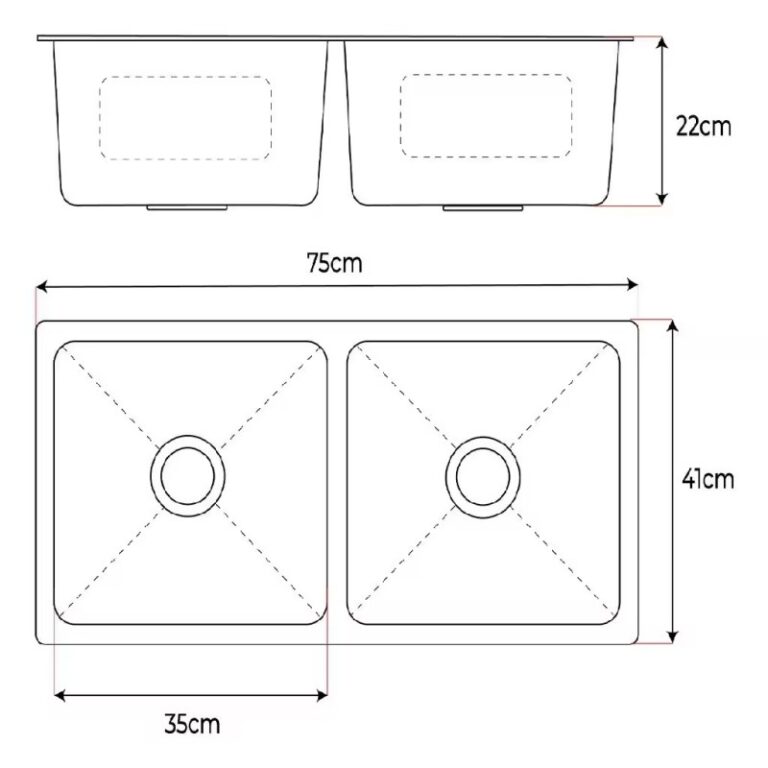
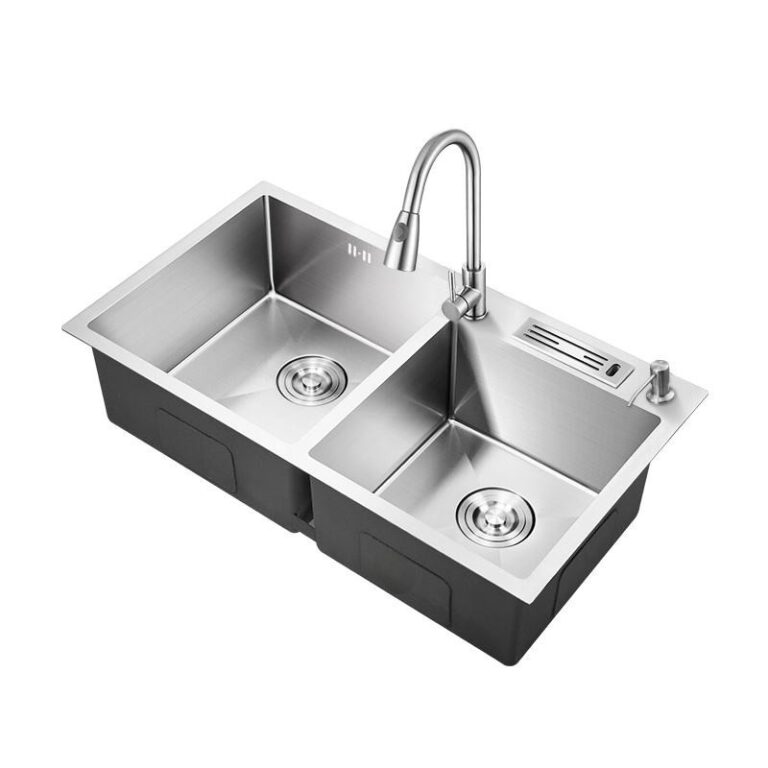
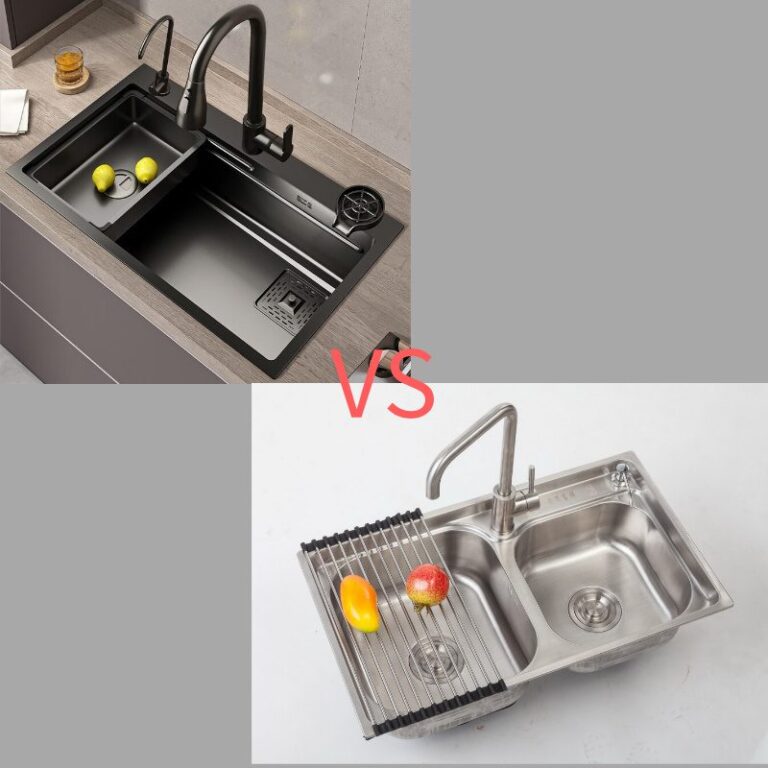
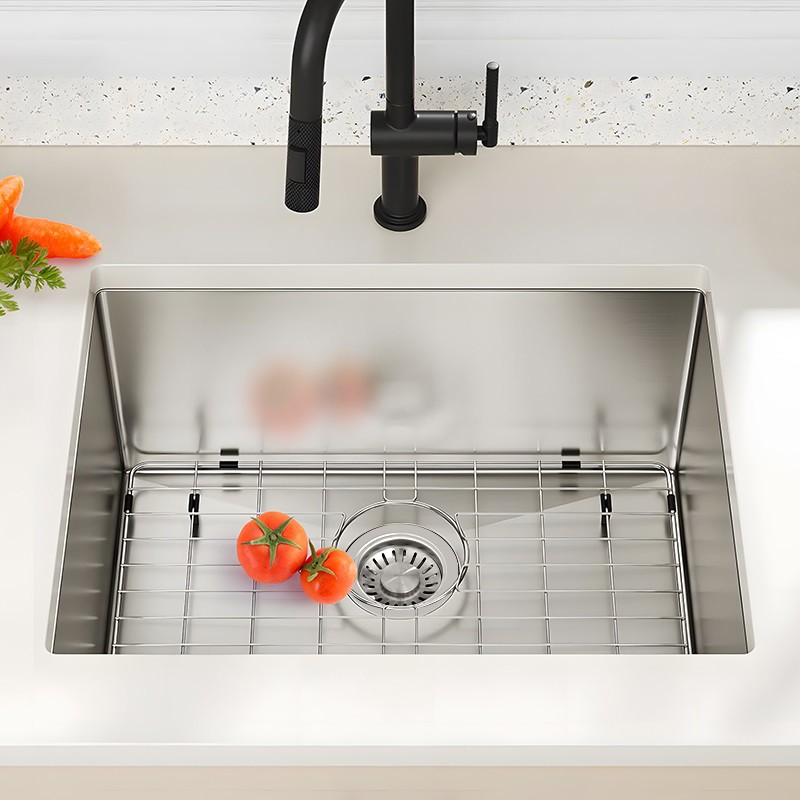
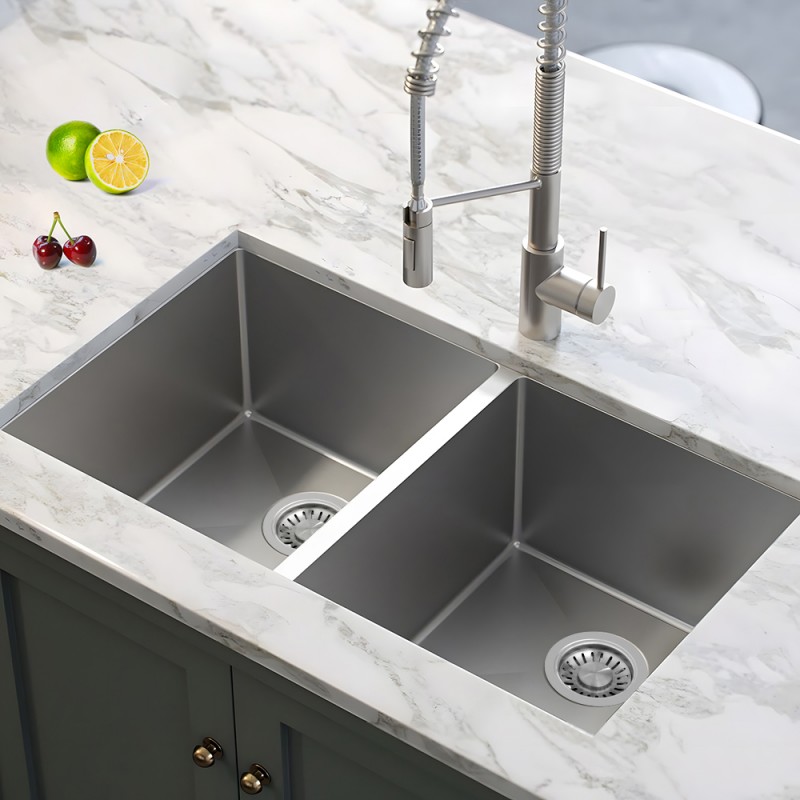
A single-bowl sink is an open, uninterrupted space. Drop a roasting pan in and it doesn’t argue. A double-bowl sink is two adjacent stations — sometimes equal, sometimes offset — that invite task separation. The divider feels small on paper, but in practice it creates habits: you’ll start rinsing in one side and prepping in the other, almost without thinking. This distinction becomes clearer when you compare real single-bowl undermount sinks against true double-bowl stainless steel sinks.
Subtitle: Think of the sink as the stage for dinner-time choreography.
Kitchens are little ecosystems. In a single-sink home, the sink becomes a multipurpose zone: washing, soaking, staging, hiding dirty dishes while guests are still at the table. In a double-sink home, two people can work without bumping elbows — one rinses, one preps, and the flow is less interrupted. Which choreography matters depends on who’s on stage most evenings, especially when choosing between a classic workstation sink setup or a more traditional divided basin.
Subtitle: Your cabinet width and daily load determine the real winner.
Small kitchens benefit from a single, deep basin. Vertical space matters — it lets you angle a deep stockpot or stack a few trays. Larger kitchens can host a double basin comfortably and gain the benefit of parallel workflows. But don’t buy a sink that “looks right” in a photo; tape out the sink footprint on your counter and try placing a pan and a cutting board over it. The physical test tells you more than pictures ever will, particularly when evaluating compact versus full-size undermount sink designs.
Subtitle: Which sink reduces worry and which increases options?
Double sinks make it easy to isolate tasks — raw food on one side, dishwashing on the other — which reduces cross-contamination risk and mental juggling. Single sinks, however, are simpler to wipe down and often feel less like a maintenance burden. If you’re likely to skip a detailed scrub, a sink that looks “clean” after a two-minute wipe will be used more responsibly than a set-up that demands ten minutes of care.
Subtitle: Tiny frictions decide whether a sink becomes a chore or a ritual.
Single-bowl sinks usually have fewer seams, fewer nooks for grime, and a quicker wipe-down routine. Double basins require juggling — swapping water levels, clearing two drains — but can make the kitchen feel ordered because tasks have designated places. Which one you prefer depends on whether you value speed or separation in your nightly routine, and whether you plan to add functional sink accessories that shape how the basin is used.
Subtitle: Two basins can mean more plumbing decisions.
Price tags between single and double sinks are often similar, but complexity rises with two bowls if you want two disposals, specialized strainers, or particular under-cabinet arrangements. Countertop seams (especially with undermount sinks) and cabinet width also influence the final look and cost. Factor plumber time and accessories into your budget — they add up faster than new faucet finishes.
Subtitle: Does the sink adapt, or do you adapt to the sink?
A single sink pairs brilliantly with moveable tools: roll-up drying racks, in-sink cutting boards, colanders that sit on the rim. That adaptability turns one basin into a variable workstation. Double sinks reward fixed workflows: a permanent prep side and a permanent wash side feel tidy and predictable. If you like rearranging tools to match tasks, single is more forgiving.

Subtitle: The real user determines the best design.
Think beyond the layout. Is the household mostly one cook? Do two people often prepare meals at once? Are kids learning to wash things, or do you host big dinners weekly? Households that entertain with large pans and party trays tend to prefer single deep basins. Homes with multiple cooks or those who want strict separation during prep often choose double basins and breathe easier.
Subtitle: A faucet and a habit will save more water than split basins.
Neither sink type is an eco-miracle. A single sink encourages batch washing; a double sink encourages soaking and segmented rinsing. If conservation is the goal, add a good flow-control faucet and practice filling one basin for washing and a second for rinsing. The sink should support a low-waste routine — it won’t create one by itself.
Subtitle: Answer these and you’ll be close to the right choice.
Subtitle: Concrete snapshots, not abstract lists.
Subtitle: The best sink is the one you forget about because everything works.
There’s no universal winner. The right choice is the one that reduces small daily frictions: less scrubbing, fewer elbow-bumps, and fewer “where do I put this now?” moments. If you want flexibility and fewer seams, lean single. If you want fixed workflows and quiet division of labor, choose double. And one last, practical tip: mock it up with tape and the biggest pan you own. Real movement, real tools — that test answers the question faster than any showroom photo.