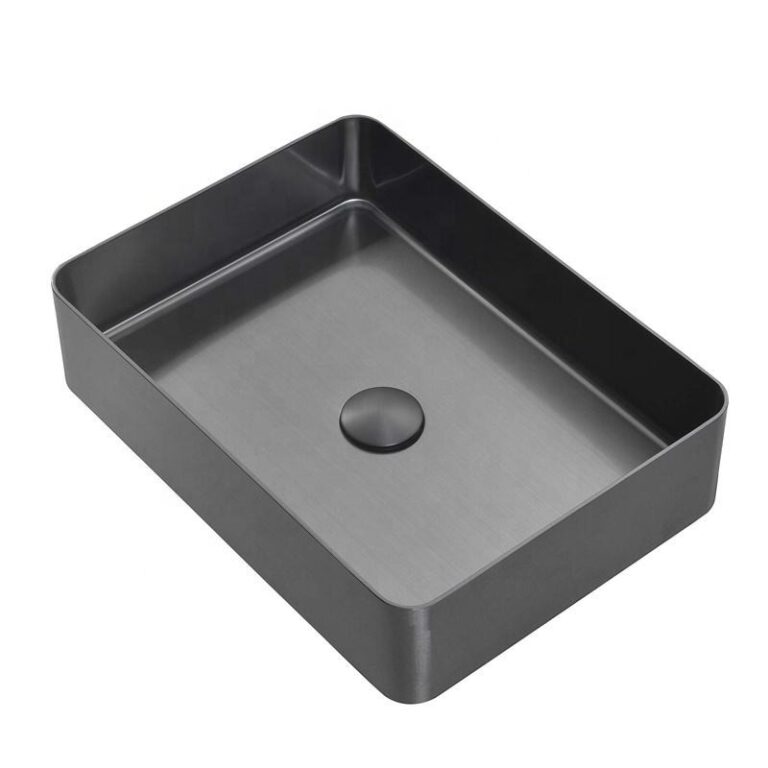
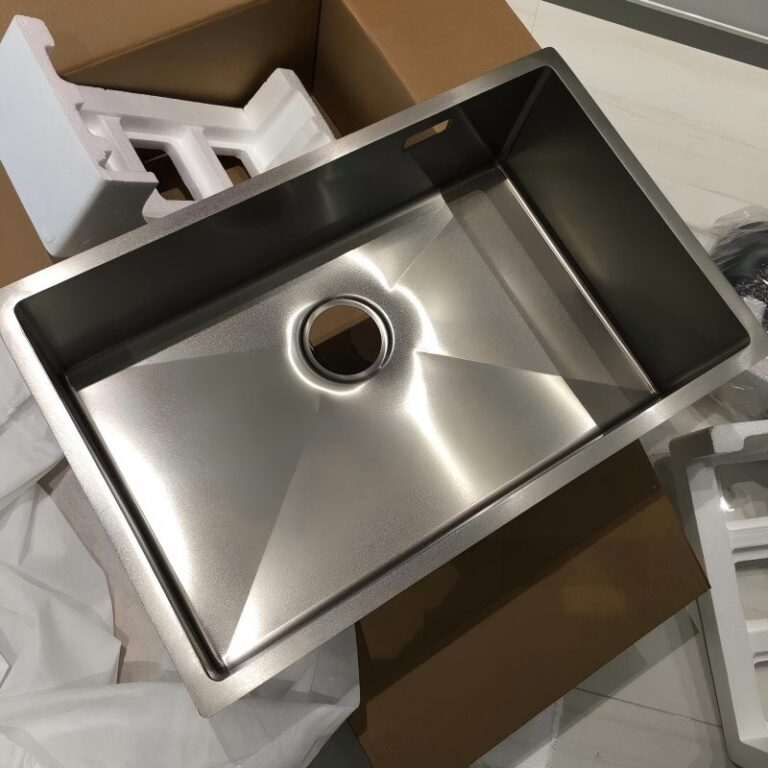
Redefine your kitchen experience
Our handmade sinks are created by experienced craftsmen, and each piece is a unique work of art.

If you’ve ever looked at your sink and thought, “I’ll just use some vinegar, that should fix it,” you’re not alone. It’s one of those go-to cleaning tricks everyone seems to know.
But here’s the thing — stainless steel isn’t as indestructible as it looks. And vinegar, while useful, isn’t always as harmless as people assume.
So the short answer?
Vinegar can damage your sink — but usually only when it’s used the wrong way.
Vinegar is great at dealing with limescale, those white cloudy spots, and leftover soap film. If your water is hard, you’ve probably seen those marks appear pretty fast.
Because it’s natural and used in food, vinegar has this reputation of being gentle. That’s partly true — but only up to a point.
It’s called “stainless,” but that doesn’t mean it can’t be affected. The surface has a very thin protective layer that keeps it from corroding.
Even mild acids like vinegar can weaken that protection if they sit too long or are used too often. You won’t see instant damage — it’s more gradual than that.
A quick wipe with diluted vinegar? Usually fine.
Letting it sit, or using it straight from the bottle? That’s where problems start.
A lot of people combine cleaners without thinking. Vinegar plus certain products (like bleach) is not just bad for your sink — it’s unsafe in general.
This is where vinegar really works well. It breaks down mineral deposits better than most basic cleaners.
If your sink still feels slightly greasy after washing, a bit of vinegar can help finish the job.
It can freshen things up, especially around the drain area.
This is probably the biggest mistake. People spray it and walk away. That’s not cleaning — that’s soaking the surface in acid.
Stronger doesn’t mean better here. It just increases the chance of dullness or marks.
Using steel wool or anything rough with vinegar is a bad combination. You’re scratching and weakening the surface at the same time.
If you don’t wash it off completely, the vinegar keeps working — even after you think you’re done.
Mix it with water. No need to overthink the ratio — just don’t use it straight.
Apply it with a cloth or sponge. Keep it controlled.
Let it sit briefly if needed, but stay nearby. This isn’t something you leave unattended.
This step matters more than people think. Get everything off the surface.
A quick dry with a cloth helps avoid new water spots and keeps the finish looking clean.
Honestly, this is all you need most of the time. It’s simple and it works.
Good for a bit of gentle scrubbing without being too harsh.
If you want that polished look, these are made specifically for the material.
Some people use a tiny bit of oil to bring back shine. Not necessary, but it can help.
Sometimes, yes — but only light ones. If the stain is deeper, you’ll need something more targeted.
Usually because something was too strong, left on too long, or scrubbed too hard.
Not a great idea. It’s better as an occasional cleaner, not a daily habit.
Not really. White vinegar is just more common because it’s clear and doesn’t leave color behind.