Abstract
Short Description: A Human, Deep-Dive Comparison That Balances Style, Function And Everyday Reality.
Choosing a sink is one of those small decisions that quietly shapes your mornings. It’s not just about how a basin looks — it’s about how it sounds when the tap runs, how it handles a kid’s toy or a dropped razor, how forgiving it is when you miss a wipe, and how it ages with the home. Below is a more human, deeper take on stainless steel versus ceramic bathroom sinks: what you’ll actually live with, the subtle trade-offs most product pages skip, and a decision framework so you can choose with confidence.
Quick takeaways
Short Description: Fast, Honest Answers You Can Use Right Now.
- Choose stainless steel if you need something tough, lightweight, and low-fuss for a busy, practical bathroom.
- Choose ceramic if you want a feeling of permanence and polish — a sink that reads as intentional and quietly luxurious.
- Neither is objectively better — think about how messy the room gets, how often you’ll clean, and whether the sink should disappear or make a statement.
Why this feels harder than it looks
Short Description: The Choice Is Practical — But It’s Also Emotional.
When you pick a sink you’re picking how the space will feel every day. A stainless basin whispers “modern, efficient, get on with your day.” A ceramic bowl says “pause, enjoy the ritual.” Both are practical choices; the difference is what they ask of you. Stainless asks for a certain rough-and-ready honesty — “I don’t mind a scratch.” Ceramic asks for carefulness — “I like things that stay pristine.” Knowing which mood you want your bathroom to hold makes choosing surprisingly simple.
What they are — the short version that matters
Short Description: One Is Metal, One Is Fired Clay — Their Behaviors Follow From That.
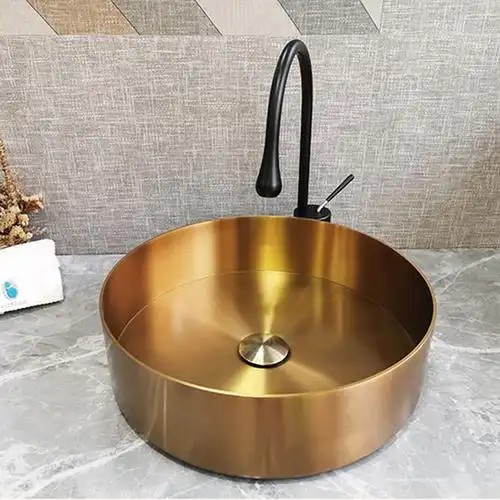
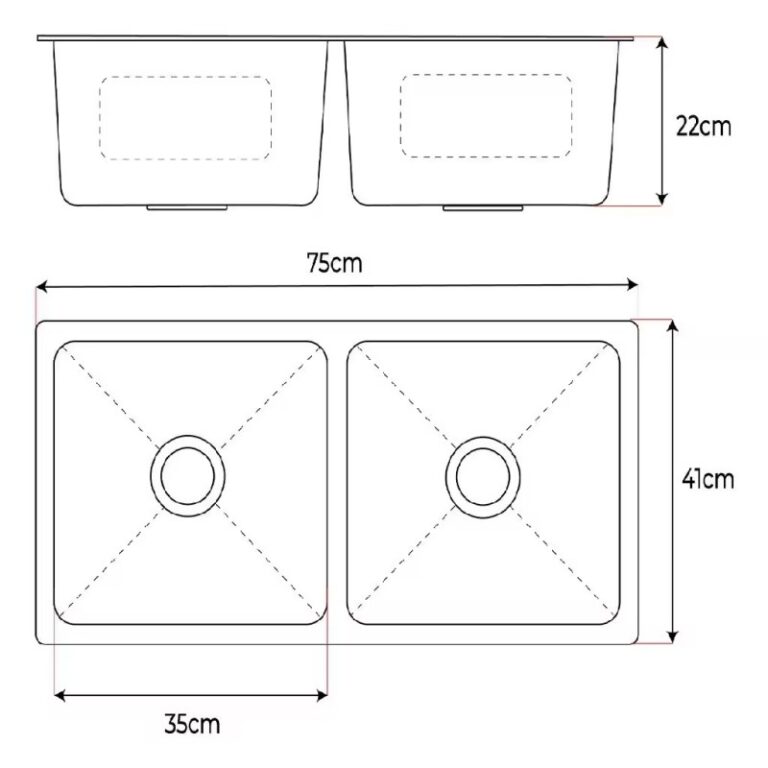
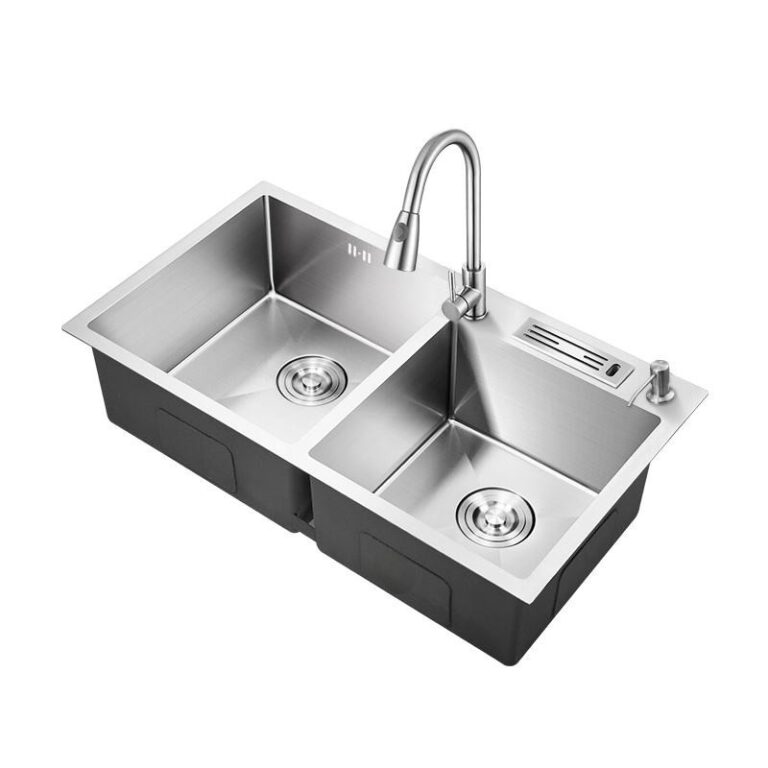
- Stainless steel: Thin, formed metal alloy that resists rust. Light, often finished brushed or polished, sometimes sound-deadened underneath.
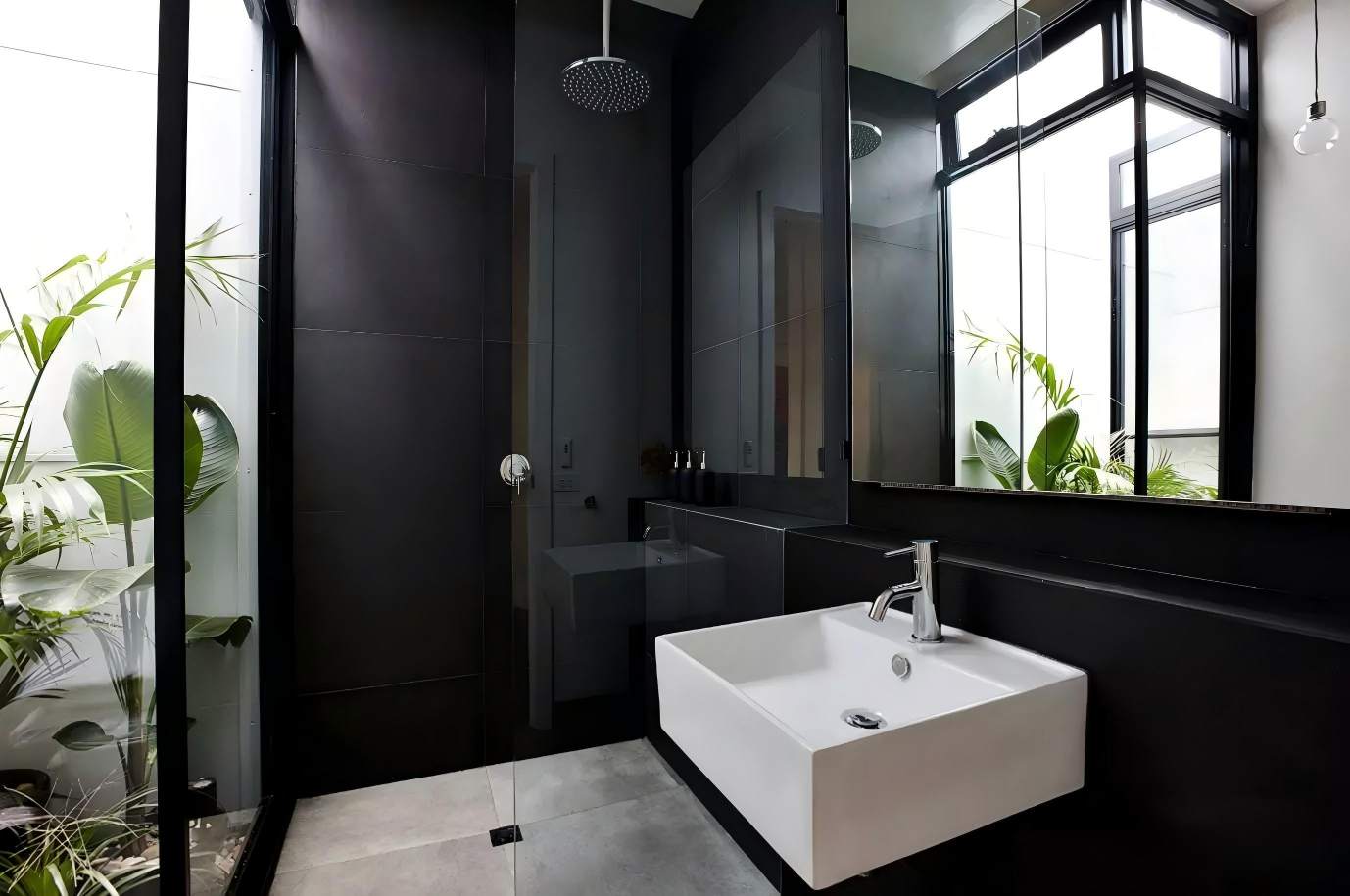
- Ceramic: Clay fired at high heat and glazed to a glass-like finish. Heavier, glossy, and tactilely warm.
The human pros and cons (not just specs)
Short Description: Real Life Examples Of What You’ll Notice In Daily Use.
Durability — What actually survives chaos
- Stainless steel: Drops, bangs, and heavy use are tolerated. A dent or scratch may show, but function rarely fails. Great for family bathrooms or utility sinks.
- Ceramic: The surface resists scratches and keeps its shine — until it doesn’t. A dropped glass can leave a chip that nags at you every time you look at it.
Maintenance — What cleaning really asks of you
- Stainless steel: Quick to wipe, forgiving with simple cleaners. Water spots and fingerprints are visible, but gone with a towel. No special rituals.
- Ceramic: Wipes clean like magic; it feels unhygienic if it’s spotless. But abrasive scrubs and harsh chemicals can dull the glaze over time.
Sound & sensation — the small things that shape mornings
- Stainless steel: It has a voice. Water and clinking cutlery sound louder. If you like quiet showers of sound, choose one with undercoating.
- Ceramic: Absorbs sound and feels solid under your hands — it creates calm.
Installation & support — the logistics that bite you later
- Stainless steel: Lighter, easier to install on floating or slimmer vanities.
- Ceramic: Heavy; plan for a sturdy counter and careful handling during fitting.
Repairability & longevity — the long view
- Stainless steel: Scratches can be buffed; small dents annoy but often don’t require replacement.
- Ceramic: Once chipped or cracked, it’s hard to make it look original again — replacement is often the cleanest fix.
A practical decision framework
Short Description: Four Questions That Narrow The Choice Quickly.
- Who uses the bathroom? Kids, guests, or heavy daily use → stainless steel. Gentle, design-conscious users → ceramic.
- Do you want the sink to make a statement? Use ceramic for a curated look; stainless steel reads modern and utilitarian.
- Is weight or installation complexity a concern? If yes, stainless steel.
- Do you mind a few visible scratches or water spots? If no, ceramic will hide much more surface wear (except chips).
If you answered mostly A → stainless steel. Mostly B → ceramic. Mix of A and B? Consider hybrid solutions: a ceramic sink with a rugged vanity, or stainless with a warm countertop to soften the look.
Practical buying checks (avoid regret)
Short Description: Things To Inspect Before You Buy — From Sound Deadening To Rim Finish.
- Check the sink rim and overflow for neat seams — these trap grime if rough.
- For stainless, prefer brushed finishes to hide scratches; ask about sound-deadening coatings.
- For ceramic, examine glazing near edges and drain for hairline glazing flaws.
- Consider how the sink pairs with faucets and accessories — scale and hole placement matter.
- See it in similar lighting to your bathroom; finishes shift dramatically under warm versus cool light.
Care routines that actually fit real life
Short Description: Two Short Habits That Keep Either Material Looking Great.
- Stainless steel: Wipe after use when possible; dry to prevent water marks; buff along the grain for small scratches.
- Ceramic: Wipe daily; treat mineral scale with diluted vinegar; avoid dropping heavy items.
Conclusion — a thoughtful close
Short Description: Pick The Sink That Matches How You Live, Not Just How You Want Photos To Look.
There’s no perfect answer — only the right fit. Stainless steel buys you resilience, lightness, and candid practicality. Ceramic gives you warmth, quiet, and a feeling of ceremony. Choose the one that feels like home when you stand in front of it at 7 a.m. and at 11 p.m.
Quick FAQ
Short Description: Short Answers For The Questions That Come Up Most Often.
Q: Which lasts longer?
A: Both can last decades. Stainless tolerates impacts; ceramic keeps its surface until damaged.
Q: Which is easier to repair?
A: Stainless — minor damage is often fixable. Ceramic — chips usually require replacement.
Q: Which shows water spots more?
A: Polished stainless shows them; ceramic hides most stains but shows chips.
Q: Is one more hygienic?
A: Both are non-porous when intact and simple to keep sanitary.
Q: Will my choice affect resale?
A: Match the sink to the home’s style. Ceramic reads classic and premium for many buyers; stainless is modern and practical.