Redefine your kitchen experience
Our handmade sinks are created by experienced craftsmen, and each piece is a unique work of art.

Summary: Raindrop Sinks Combine Gentle Water Flow And Modern Design To Reduce Splashing And Make Cleaning Easier — But Not All Models Are Equally Practical.
Raindrop sinks have become a go-to choice for modern kitchens because they blend a sleek look with a very human promise: less mess and easier cleanup. They use a wide single-basin layout, a soft “raindrop” water pattern, and often come with upgraded coatings or smart controls. That said, the experience isn’t flawless — some models add flashy features that don’t work well in real life, while others have genuine design wins. Below I’ll translate the technical points into what actually matters at your sink: materials and build, the real usefulness of smart features, how quiet and fast they drain, and the practical buying checks you should run before you buy or install one.
Short Description: Large Single Basin, Gentle Water Flow, And Easier Countertop Cleaning.
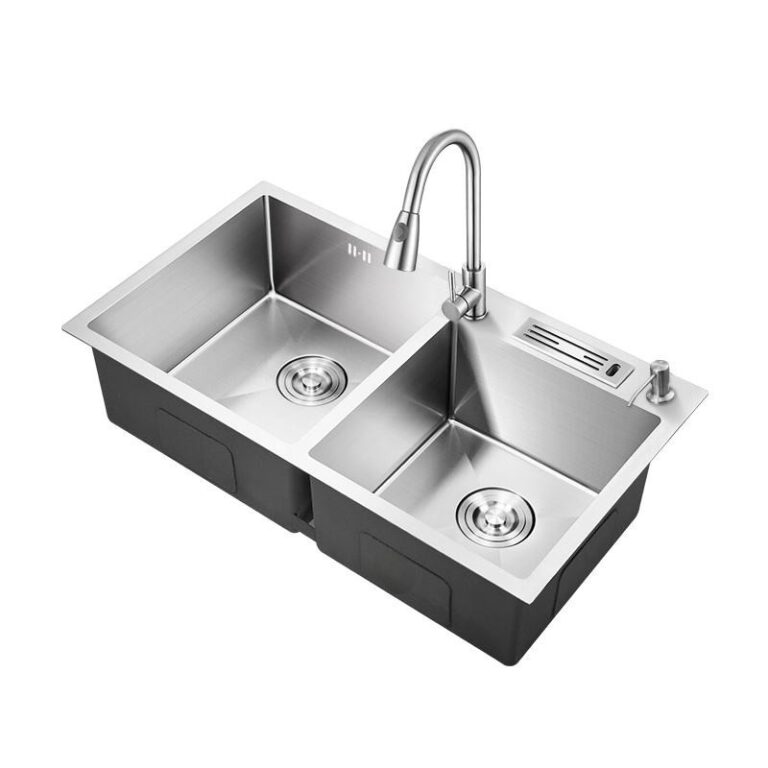
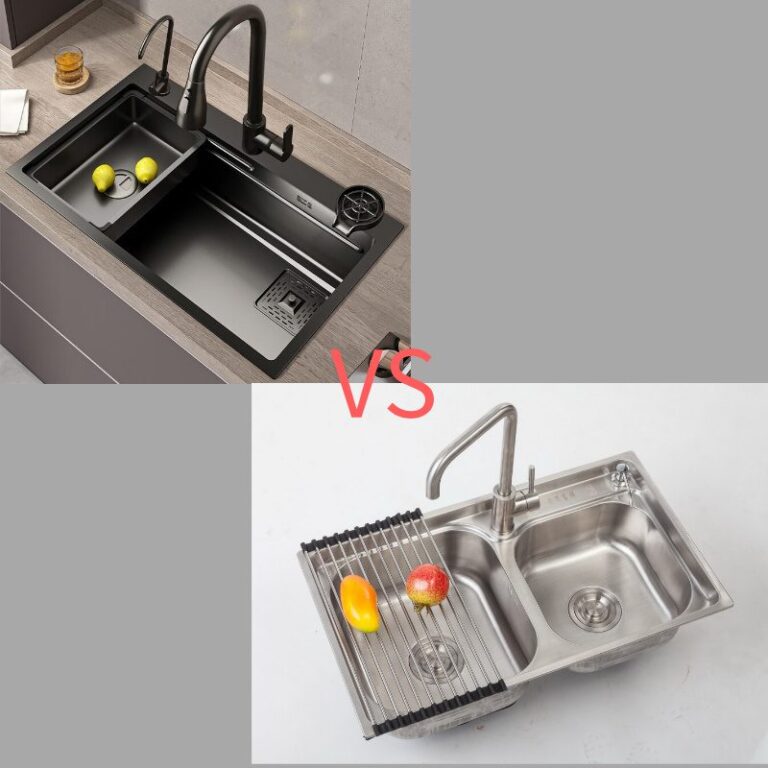
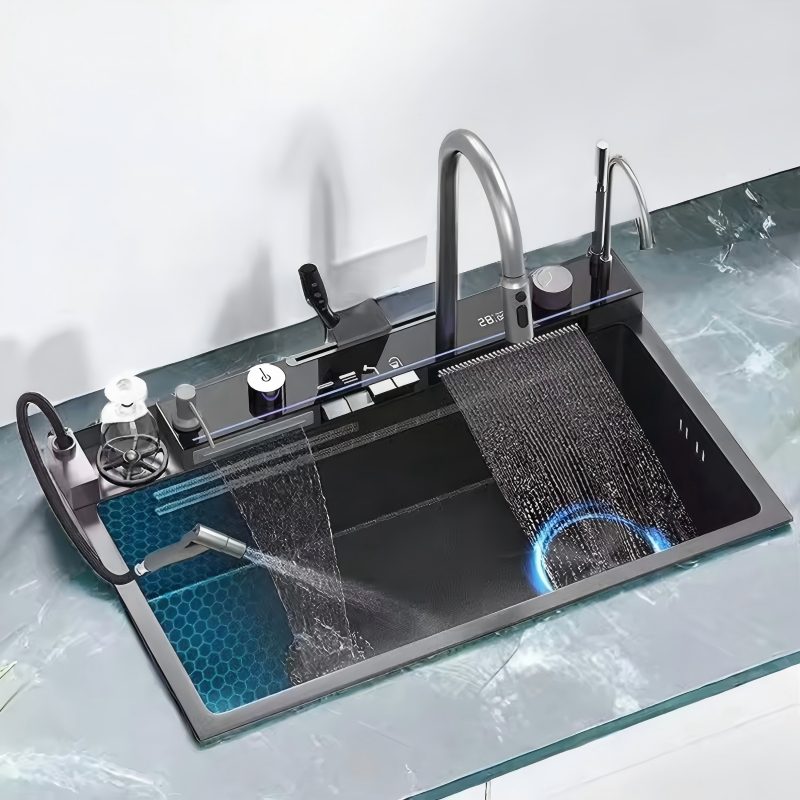
Raindrop sinks aren’t just pretty — they solve everyday kitchen frustrations. A wide, single-basin design gives space for big pots and pans that split double sinks struggle with. The “raindrop” flow breaks water into many gentle streams so you get wide coverage with much less forceful splashing. And when installed as an undermount, the sink edge disappears under the countertop, making wiping crumbs and spills effortless and reducing mold risk at seams.
Short Description: Choose SUS304 Stainless Steel, At Least 1.2 Mm Thick, And A Genuine Nano-Coating.
The durability and feel of a sink come mostly from two things: what it’s made of, and how it’s finished. Real, food-grade 304 stainless steel (SUS304) resists rust and corrosion much better than cheaper 201 or 430 grades. Plate thickness matters — aim for ≥1.2 mm to avoid a flimsy, dent-prone sink. Many Raindrop models add a honeycomb nano-coating that repels oil and stains; when properly applied and cured it can cut cleaning effort dramatically, but low-quality imitations will peel or yellow fast.
Quick Material Snapshot:
Short Description: Prioritize Practical Controls And Core Waterflow Features Over Gimmicks.
Not every extra on a sink actually helps. For controls, physical piano-style buttons usually outperform touchscreens or rotary knobs in a wet, messy kitchen — they work with wet hands, are easy to clean, and feel reliable. Touchscreens can struggle when wet; rotary knobs can be slippery and annoying.
Be skeptical of bells and whistles that sound clever but aren’t useful: an independent cup washer with poor pressure, fixed-temperature settings that don’t hold, or recessed accessories that trap grime are common disappointments. Spend money on what matters most: a genuinely good raindrop water pattern, durable coating, and well-chosen, practical accessories (removable drain basket, cutting board that fits snugly).
Short Description: Look For Multi-Layer Sound Dampening And An Efficient, Odor-Proof Drain.
Noise and slow drainage are silent killers of kitchen happiness. High-quality models use multi-layer sound pads under the bowl to cut vibration and water noise — the best systems keep sound below comfortable levels (some claim <35 dB). For drainage, a good slope to the bottom bowl, a large-diameter drain pipe, and a double-layer filter/odor trap make a huge difference. Poor slope or small drains leave residue and slow water flow; a sealed odor-proof core prevents smells from returning up the pipe.
Short Description: Verify Material, Thickness, Coating Certification, Drain Design, And Exact Cabinet Measurements.
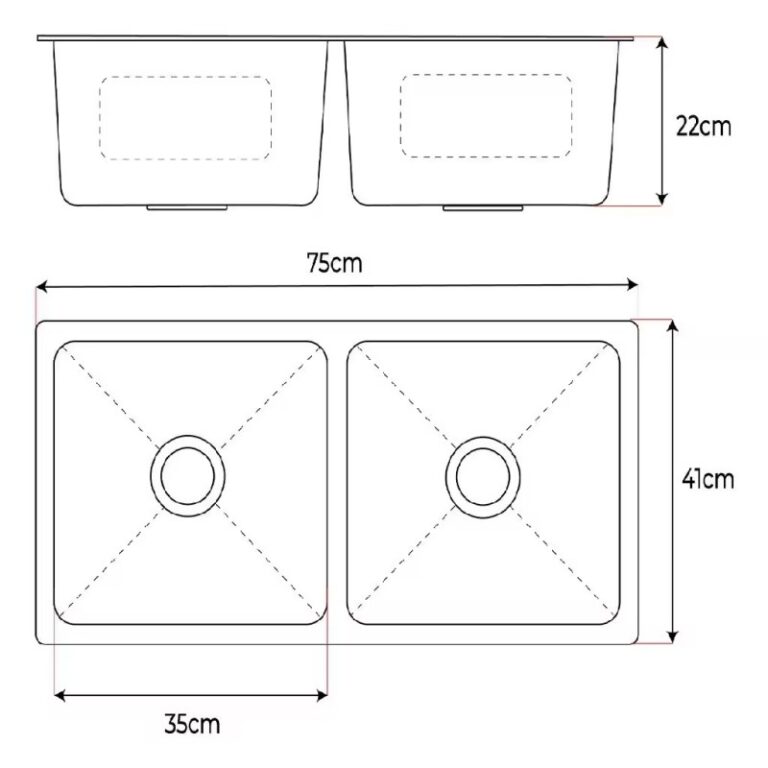
Before you buy or install, run this checklist:
A final pre-install step: double-check how the sink meets your countertop material (granite, quartz, laminate) and whether the undermount clips or mounting method will work with your cabinet.
Short Description: Focus On Real-World Performance Over Looks — Build, Drainage, And Practical Controls Matter Most.
Raindrop sinks represent a sensible trend: more usable space, less splash, and easier maintenance when the materials and design are done right. But some models lean too heavily on flash instead of function. Make a rational choice by prioritizing SUS304 construction, sufficient thickness, proven nano-coatings, a thoughtful drainage system, and control methods suited to a wet kitchen. When you strip away the marketing, the best sink is the one that simplifies daily chores and lasts for years.
Q: Are Raindrop Sinks Worth It?
A: Yes — if you choose a well-built model. The single-basin layout and soft waterflow are genuinely useful. Avoid cheap imitations or models overloaded with gimmicks.
Q: How Can I Tell If The Coating Is Real?
A: Ask for a third-party test report, check the brand reputation, and inspect for uniform curing. Low-quality coatings often peel or discolor within months.
Q: What’s The Most Reliable Control Type For Kitchen Use?
A: Physical piano-style buttons — they work with wet hands, are easy to clean, and are durable.
Q: How Important Is Plate Thickness?
A: Very. Under 1 mm often feels flimsy; aim for ≥1.2 mm for long-term rigidity and dent resistance.