Redefine your kitchen experience
Our handmade sinks are created by experienced craftsmen, and each piece is a unique work of art.

A Kitchen Sink Is Where Meals Get Made, Stories Get Told, And Tiny Rituals Keep Your Day Moving — Here’s How To Make It Beautiful And Workable.
A Practical Look At How Each Sink Type Shapes Your Daily Cooking Flow.
Perfect For Multitasking And Keeping Prep Separate From Cleanup.
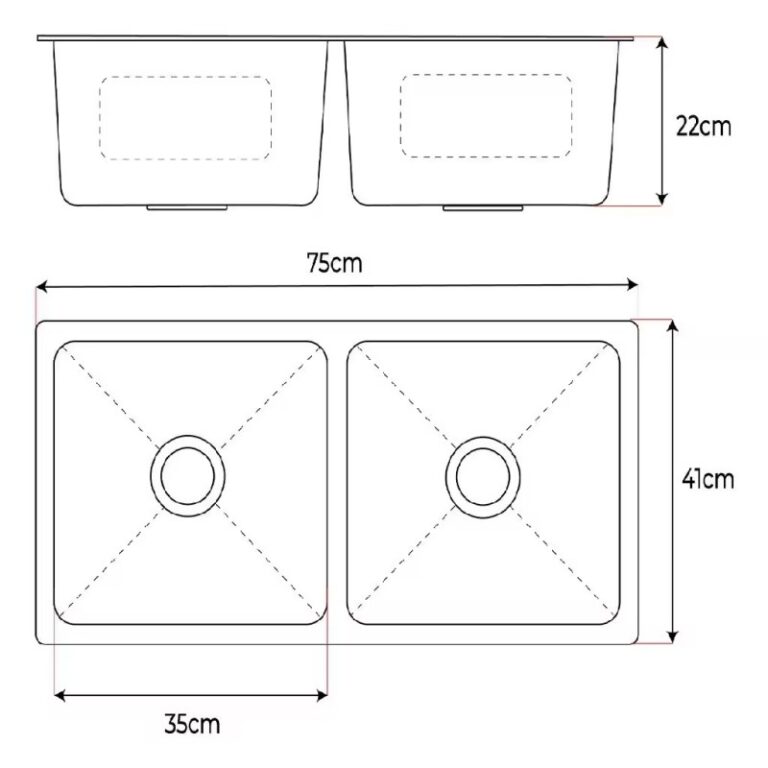
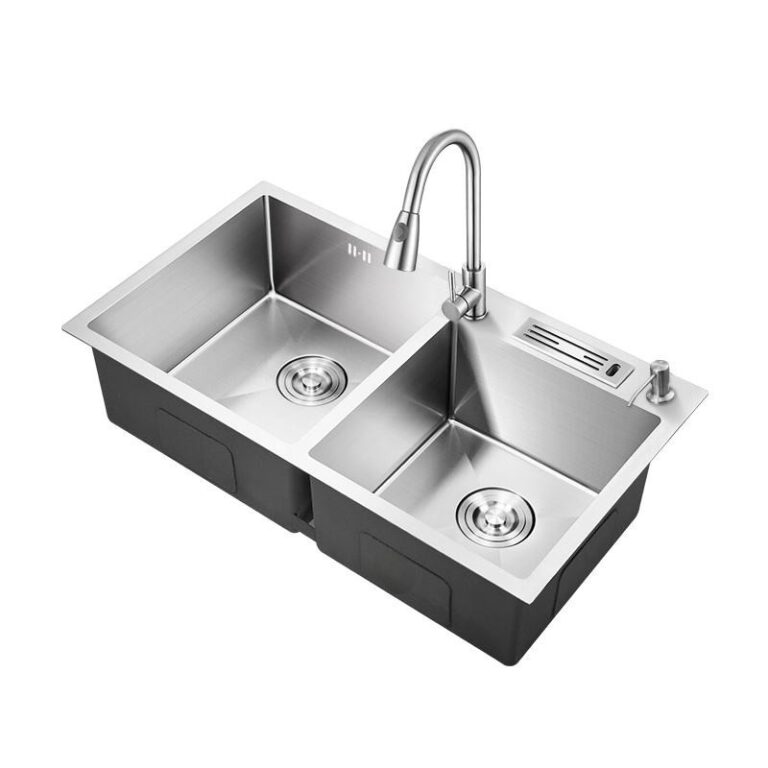
Imagine Washing Vegetables In One Basin While A Pot Soaks In The Other — Double Bowls Keep The Workflow Calm. For Families Or Hosts, A Low-Divider Double (About 4–6″ Divider Height) Gives You Flexibility: push pans across the divider when you need a single large space, or keep tasks segregated on busy nights.
Practical Notes: Typical Basin Depths: 7–9″ For Everyday Use. Consider A Garbage Disposal In The Smaller Bowl And A Workstation Grid In The Larger One.
Ideal For Big Pots, Baking Sheets, And A Clean, Unbroken Look.
If You Bake Sheet Trays Or Use Large Stockpots Weekly, A Deep Single Basin Is A Time Saver — no awkward angle-fitting or toggling. It’s also the easiest to style for a minimalist counterline.
Practical Notes: Basin Depths Of 9–11″ Make Loading Large Cookware Easier. Pair With An Offset Drain If You Want More Flat Space Underneath.
Smart For Small Kitchens, Fast Prep, And Keeping Counters Dry.
A Built-In Drainboard Is Like Having A Mini Workbench Next To Your Sink — perfect for apartment kitchens where you can’t dedicate more counter real estate. Modern drainboards are angled subtly and double as a prep surface.
Practical Notes: Look For Sinks Whose Drainboard Slopes Toward The Basin To Prevent Puddles And That Provide A Flat Area For A Roll-Up Rack.
Material Changes The Feel, The Care, And The Personality Of The Sink.
Durable, Low-Maintenance, And Friendly For Heavy Use.
Choose 16-Gauge Or Thicker For Fewer Dents And Lower Noise. Brushed Finishes Hide Marks; PVD Coatings Offer Matte Blacks And Warm Metals If You Want Color Without Fragility.
Quiet Underfoot And Friendly To Glassware, Composite Sinks Offer A Softer, Warmer Finish Than Bare Metal. They Can Resist Scratches Well But Need Gentle Care For Hard Impacts.
These Feel Like Family Heirlooms: glossy, resilient against staining, and deeply characterful. They’re Heavy To Install And Can Chip On Impact, So Think Long-Term Commitment.
Solid-Surface Integrated Sinks (Same Material As Your Countertop) Create A Seamless Look; Brass And Copper Make A Bold Statement And Develop A Patina Over Time — Great If You Love Living Surfaces That Change.
How Your Sink Mounts Affects Cleaning, Look, And Installation Complexity.
Seamless Edges Make Wiping Crumbs Into The Basin Second Nature — Best For Stone Or Solid Surface Countertops.
The Old Reliable: Easier To Fit Into Existing Counters And Great For Fast Renovations Or Budget Projects.
An Apron Sink Gives Your Kitchen A Face — It Reads As Intentional And Inviting But Requires Cabinet Modifications For Fit And Support.
When The Sink And Counter Are One Material, The Result Is Visually Calm And Minimal — Expensive But Quietly Luxurious.
Measure Your Routine, Then Match Features To Real Tasks.
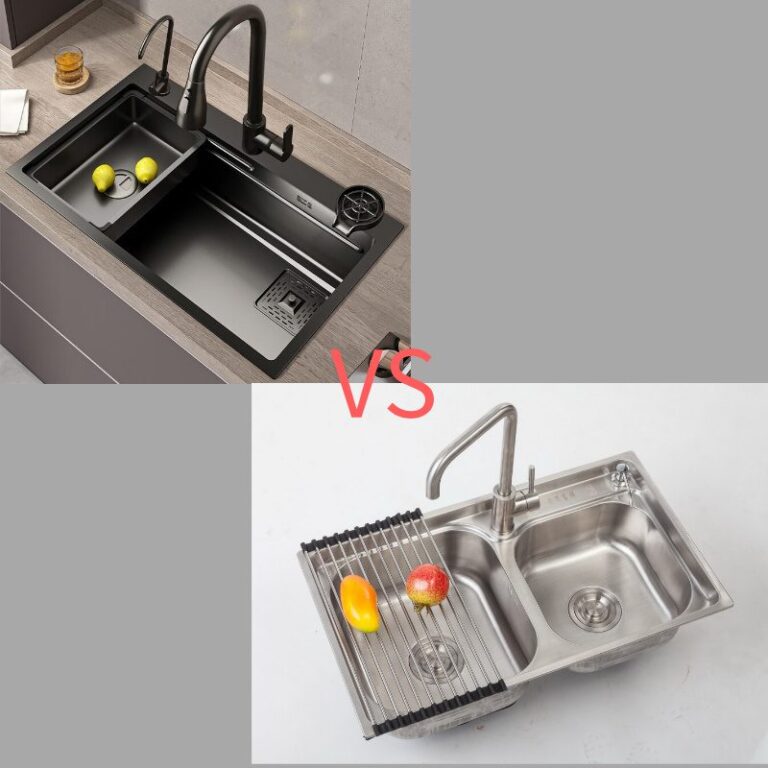
Quick Rule Of Thumb: If You Use Large Cookware Frequently — Pick A Single Deep Basin. If You Prep And Clean Simultaneously — Pick A Double Or Workstation Sink.
Because The Sink Is The Rhythm Of The Kitchen — It Dictates How You Move, How You Clean, And How Much Joy You Get From Everyday Tasks.
A Well-Chosen Sink Reduces Steps (Less Walking With Wet Hands), Improves Comfort (Right Depth = Less Bending), And Changes The Way You Host (Prep Sinks Let You Stage Food Without Chaos). Over Time, these small conveniences compound into real lifestyle benefits.
Little Details That Turn The Sink Into A Happy Place.
Sinks With Nested Cutting Boards, Colanders, And Drain Trays That Slide Into Place Turn One Basin Into Several Functional Layers — they’re about reducing motion, not just storage.
Touch-Activated Faucets, Under-Sink Filters, And Water-Saving Spray Heads Make The Sink Safer And Friendlier To The Planet — and they pay back in convenience.
A Quiet Sink Matters If The Kitchen Is Social. Ask For Thicker Material And Full Padding Beneath The Bowl To Reduce Rattle And Plate Clatter.
Choosing Copper Or Brass Means Choosing A Living Surface — If You Like Surfaces That Age, These Add Personality; If You Prefer Pristine, Pick Coated Stainless.
Consider Shallower Basins, Lower Counter Heights (Or A Secondary Prep Sink), And Lever Handles For Ease Of Use — These Are Small Choices That Make Kitchens More Democratic.
A Simple Routine Keeps Materials Looking Great For Years.
Tiny Habit Idea: Keep A Soft Microfiber Cloth By The Sink — Wipe After Each Use. It Takes 10–15 Seconds And Keeps Things Looking New.
Match Spend To Use And Longevity.
Think Of The Sink As A Tool: Spending A Bit More On The Right Shape Or Material Pays Back In Comfort And Time Saved.
Short, Honest Answers For The Most Common Sink Questions.
Q: Single Or Double Basin — Which Is Better?
A: Pick Single For Large Pots And A Minimal Look; Pick Double For Task Segregation. Low-Divider Doubles Offer The Best Compromise.
Q: What Depth Should I Choose?
A: Most People Are Happy Between 8–10″ For Versatility; 9–11″ For Heavy Cookware Use. Shallower Basins (6–7″) Are Easier On The Back.
Q: Is A Workstation Sink Worth It?
A: If You Prep A Lot Or Have Limited Counter Space, Yes — The Nested Tools Save Trips Across The Kitchen.
Q: How Do I Keep A Matte Or PVD Finish Looking Good?
A: Wipe Gently, Avoid Abrasives, And Use Finish-Safe Cleaners. These Finishes Are Trendy But Require Small Habits.