Redefine your kitchen experience

Our handmade sinks are created by experienced craftsmen, and each piece is a unique work of art.
Product Inquiry

Is a Round Sink or Square Sink Better?

Short answer up front: Neither is strictly “better.” The right shape depends on how you live, what you cook, how you clean, and how the sink will look in the room every day. Below I’ll map those trade-offs to real situations — with examples, capacity math, and a shopping checklist so you leave the store certain rather than guessing.

Introduction — what you’ll get from this guide

A quick roadmap so you won’t waste time shopping blind. This guide goes beyond surface-level advice. You’ll get practical size and capacity comparisons (so you can compare bowls by liters, not impressions), realistic everyday scenarios (family cooks, people who entertain, renters), maintenance realities, materials and noise trade-offs, and a simple decision matrix that turns indecision into a checklist. If you’re browsing options from a manufacturer like JSD Sinks, this framework helps you filter quickly.
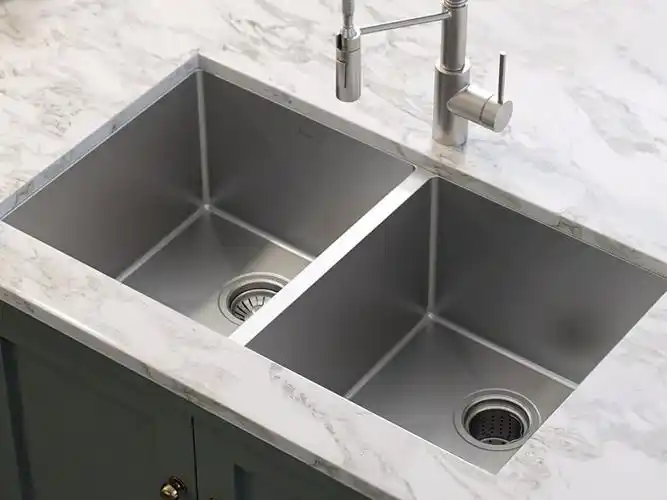
square sink
square sink

Design & emotion: what sink shape says in a room

How shape changes the room’s mood and feels to live with. A round sink reads soft, approachable, even a little domestic — it breaks up hard edges and makes small spaces feel calm. A square or rectangular sink feels purposeful, modern, and efficient; it visually aligns with cabinets, tiles, and islands that use straight lines. Choose the shape that will make you feel right in your kitchen every morning, not just what looks trendy in a showhome.

How you actually use the sink — real-life scenarios

Match shape to the work that happens in front of the faucet.

  • For a couple or single who mostly rinses produce, fills coffee kettles, and rarely soaks oversized trays: a round prep sink or a shallow circular bar sink can be quieter, easier to clean, and visually lighter — similar to compact options like a round stainless steel sink in matte blackSubtitle: small routine tasks favor round simplicity.
round sink
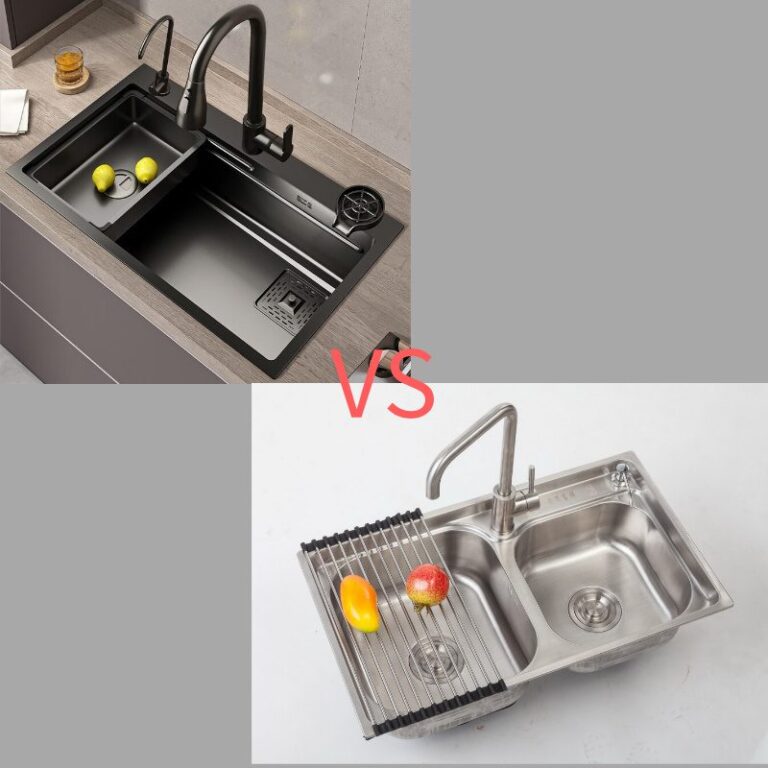
  • For a busy household that washes pots, stacks casserole dishes, or needs to soak pans: a square/rectangular main sink gives more usable flat area and is easier to pair with accessories (grids, cutting-boards that sit flush), especially with workstation sink designs. Subtitle: heavy-duty kitchen work favors rectangular capacity.
  • For people who entertain often: consider a combo — a large rectangular main bowl plus a small round prep/bar sink. It’s the pragmatic multi-tool approach. Subtitle: entertaining pushes toward multi-bowl solutions.

Capacity — numbers that actually matter (yes, we’ll calculate)

Stop guessing volume from pictures; compare liters.

Example comparison (practical math you can do in a store):

  • Round sink example: diameter = 40 cm, depth = 20 cm. Step-by-step: radius = 40 ÷ 2 = 20 cm. r² = 20 × 20 = 400 cm². Volume (cylinder) = π × r² × h = 3.1416 × 400 × 20. First 400 × 20 = 8,000. Then 3.1416 × 8,000 = 25,132.8 cm³. Convert to liters: 25,132.8 cm³ ÷ 1,000 = 25.13 LSubtitle: round 40×20 cm ≈ 25.13 liters.
  • Square sink example: 40 cm × 40 cm × 20 cm. Volume = 40 × 40 × 20 = 32,000 cm³ = 32.00 LSubtitle: square 40×40×20 cm = 32.00 liters.
  • Difference: 32.00 L − 25.13 L = 6.87 L (about a 27% increase in holding capacity for the square bowl with the same outside footprint). Subtitle: same footprint can mean materially different capacity.

What this means: don’t buy by outer dimensions alone — check actual bowl dimensions (length × width × depth) and convert to liters if you need to compare capacity. For many cooks, that 6–7 liter difference is the difference between needing to soak a second pan or not.

Cleaning & hygiene: real maintenance, not marketing claims

Which shape traps grime — and how to avoid it. Sharp 90° corners trap food waste and require tools to scrub. A round basin has no corners, so rinsing is simpler. That said, many modern “square” sinks use a corner radius (a small rounded corner) to make cleaning easier — look for models with a corner radius of at least a few millimeters; the larger the radius the easier it is to keep clean. Materials and finish matter far more than shape alone — a matte composite shows water spots differently than a polished stainless model, for instance. Subtitle: corners plus finish define cleaning effort.

Materials, durability, and practical trade-offs

Shape is only part of the system — choose materials smartly.
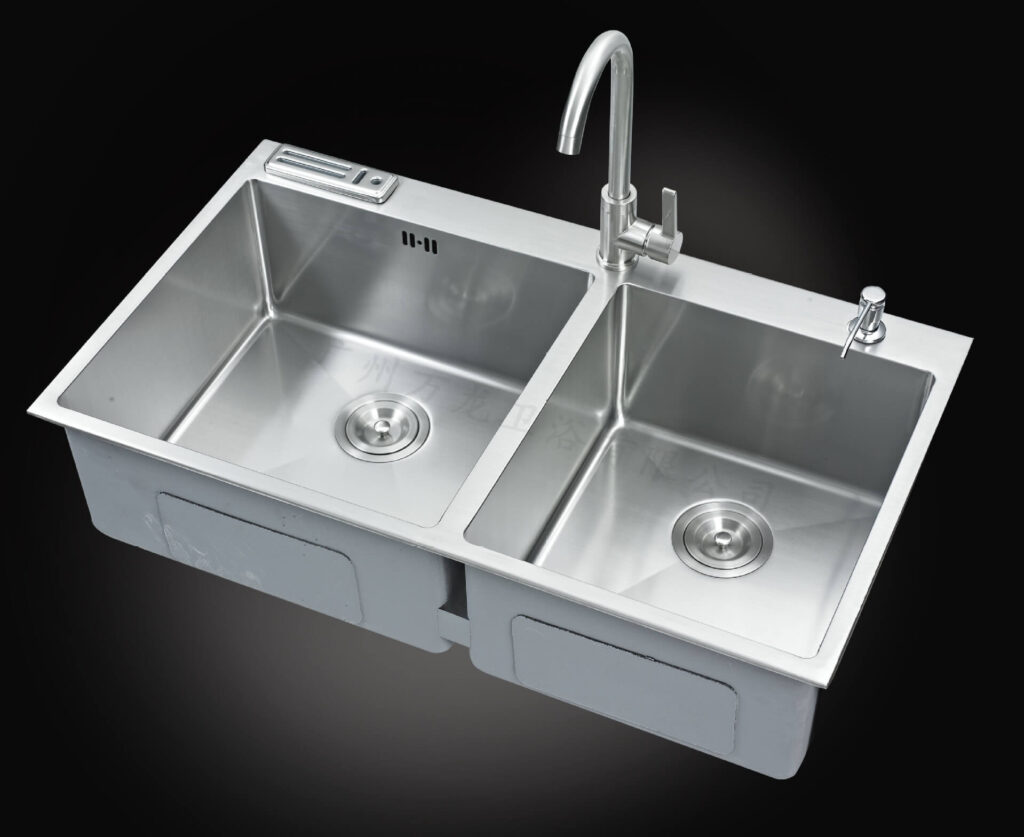
  • Stainless steel (kitchen staple): Works in both shapes. Thickness matters: look for 16–18 gauge for a good balance of cost and resistance to denting (that’s roughly around 1.2–1.5 mm thickness). Thicker steel vibrates less and feels sturdier. Add pads or factory undercoating for noise reduction. 
stainless steel sink
  • Fireclay and ceramic (often bathroom/luxury): Beautiful smooth bowls — often round for basins, but square fireclay exists, including rectangular bathroom sinks designed for easy cleaning. They chip more easily and need solid undermount support. 
  • Composite/granite: Heavy, moldable into any shape, and quiet. They give a built-in, solid look in square or rectangular forms. 
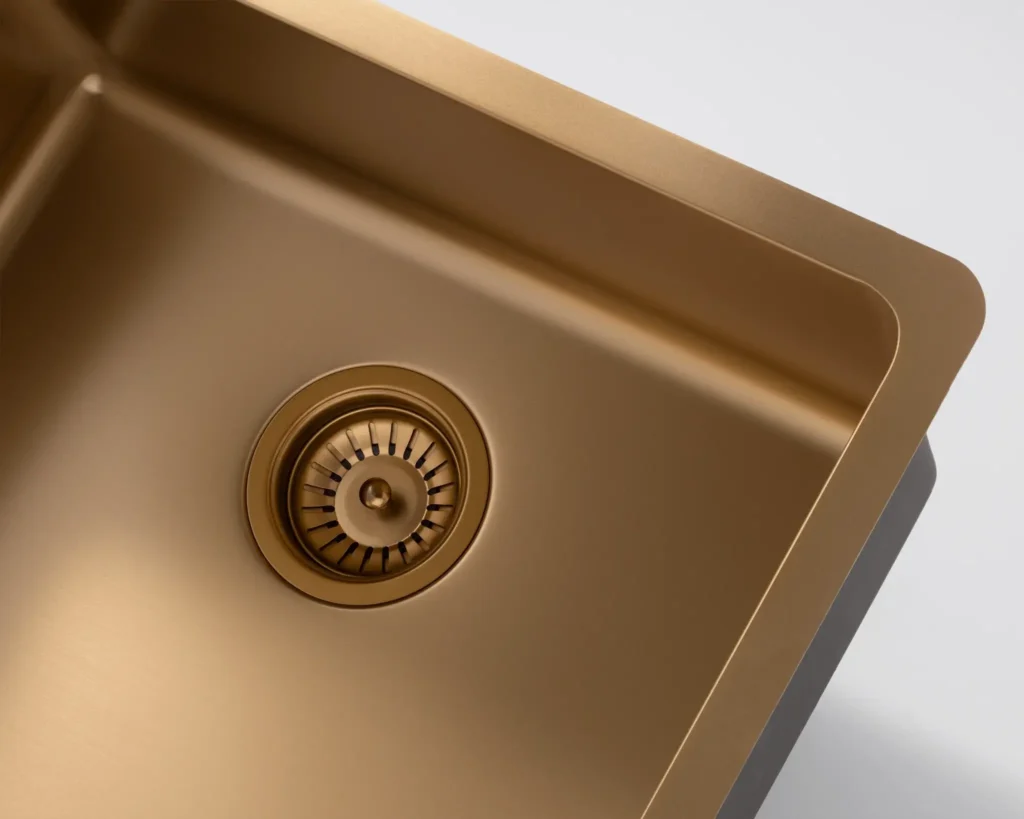
  • Copper/brass: Stylish, antibacterial-feel (and requires patina maintenance). Typically used as round vessels or statement sinks. 
brass sink
brass sink

Ergonomics & installation — how shape affects your back and faucet choices

Depth and position matter more than shape. Deeper bowls hide splashes but force you to bend more — aim for a depth that matches your countertop height. Square undermounts integrate cleanly with countertops and accessories; round drop-in or vessel sinks are easier to install as a DIY in some cases. Always check faucet reach and center distances — some round basins (especially vessel-style) require higher faucets or more deck space. Subtitle: plan for depth, faucet reach, and installation style.

Noise & accessories — how to make any sink quieter and more usable

Fixes that matter: undercoating, thicker material, and smart accessories. If quiet matters, prioritize material thickness and factory-applied soundproofing. For functionality, measure for a bottom grid, cutting-board insert, or colander — square sinks simply have more compatible accessories off-the-shelf, such as rust-resistant stainless steel sink bottom grids. Also, full-coverage drain placement and larger drains (3.5″ vs 2″) make disposal and draining less fussy. Subtitle: silence and utility come from material and accessories, not shape.

Cost, resale, and longevity — practical money sense

What buyers care about later on. Shape alone rarely dictates price — finish, brand, and material do. But extreme style choices (e.g., a copper round sink in a standard suburban kitchen) can narrow buyer appeal later. For an investment that sells easily, a neutral rectangular stainless undermount is low-friction for most buyers. For a personal statement piece in a renovated home you plan to live in for a long time, pick the shape that makes you happy. Subtitle: balance personal taste with future resale realities.

A practical decision matrix (use this in the store)

Six quick checks so you don’t regret your purchase.

  1. What’s your primary use? (Heavy cooking → square; light use → round.) Subtitle: match shape to main tasks.
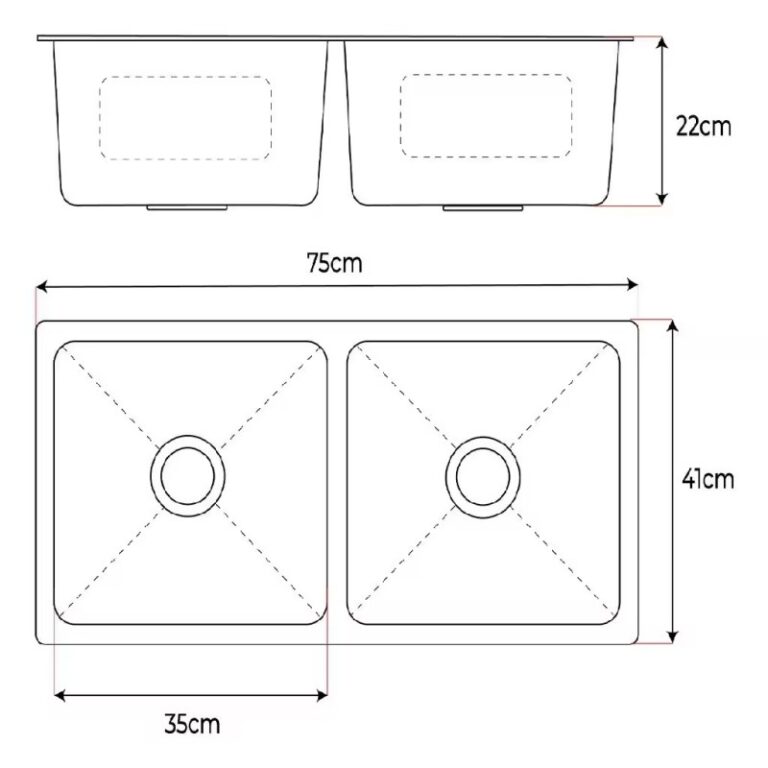
  2. Measure actual bowl dims (L×W×D) and convert to liters if capacity matters. Subtitle: compare real volumes, not photos.
  3. Check corner radius on square sinks — bigger radius = easier cleaning. Subtitle: corners should be rounded enough to clean easily.
  4. What is the faucet plan? Verify reach and clearance. Subtitle: fit faucets before buying the sink.
  5. What material and gauge? For stainless steel, aim for 16–18 gauge or better. Subtitle: prioritize gauge and undercoating for durability and noise.
  6. Do you need accessories (grids, inserts, boards)? Confirm compatibility. Subtitle: accessories increase practical value dramatically.

Quick, practical recommendations by user type

One-sentence choices so you can act.

  • Family of 4 who cooks nightly: Rectangular undermount, single deep bowl (or double with one deep bowl). Subtitle: capacity and stacking matter most.
  • Apartment dweller who rarely cooks: Round or small rectangular prep sink — choose what pleases you visually. Subtitle: visual fit beats capacity.
  • Entertainer: Main rectangular bowl + small round prep sink for parallel workflows. Subtitle: two bowls let prep and cleanup happen at once.
  • Renovation aiming for resale: Neutral stainless rectangular undermount — broad appeal. Subtitle: choose universality for resale value.

FAQs (short & useful)

Answers you’ll actually use.

  • Does a round sink hold less water than a square? Not always — but with the same outer footprint a square tends to use space more efficiently (see the capacity math above). Subtitle: square often wins capacity for the same footprint.
  • Are square sinks harder to clean? Sharp-cornered ones can be. Buy a model with a reasonable corner radius. Subtitle: avoid sharp corners if cleaning speed matters.
  • Is one shape quieter? No — material and undercoating matter far more than shape. Subtitle: silence comes from materials, not geometry.

Conclusion — choose the shape that supports how you live every day

Make your sink serve your routine, not the other way around. Round sinks are gentle, low-maintenance, and perfect for small-press tasks or design statements. Square and rectangular sinks deliver more usable capacity and pair better with accessories and large cookware. The smartest choice is the one that fits your daily workflow — and the one whose dimensions and material you measured, not the one that just looks good on Instagram. If you want, tell me your kitchen dimensions and how you use it daily (kids, entertaining, baking, etc.) and I’ll give a 1–2 sentence specific recommendation and three sink models/styles that fit that use case.
Comments

Blog Comments
Share your love