Redefine your kitchen experience
Our handmade sinks are created by experienced craftsmen, and each piece is a unique work of art.

Short Description: Clear, Realistic Fixes And Lasting Habits To Stop Sink Clogs For Good
Sinks clog. It’s part annoyance, part bad timing, and sometimes the start of a gross little plumbing saga. This guide treats clogs like what they are: solvable mechanical problems plus predictable human behavior. You’ll get quick triage, six tested fixes (from gentle to surgical), and prevention tactics that actually fit into real life — not just “don’t do X” advice.
Short Description: A Calm Roadmap To Pick The Right Fix For The Job
Think of clogs like traffic jams: small slowdowns, stalled cars, or full multi-lane pileups each need different tools. Use this decision flow:
Short Description: Melt Away Soft Grease Build-Up With Staged Hot Water Pours
Why It Works (Deeper): Grease is the usual quiet villain. When warm, it’s a viscous film; when hot, it thins and flows. Staging the pour avoids a thermal shock that could soften PVC joints or stress older metal fittings.
How To Do It (Step-By-Step):
Short Description: Small Jam, Big Effect — How To Reset And Safely Unjam A Disposer
Why It’s Important: A jammed disposer often feels like a drain issue because it sits at the junction between sink and plumbing. It can hum or stall without obvious signs.
How To Troubleshoot Safely:
Short Description: Use A Plunger Right — Seal, Submerge, Pump — Then Flush
Why It Works (Physics): A plunger creates alternating pressure and suction that transmits down the pipe to jar loose the clog — very effective when the blockage is near the trap.
How To Use:
Short Description: A Safe, Eco-Friendly Fizz That Helps Loosen Soft Organic Buildup
Why It Helps: The fizz mechanically agitates and has a mild loosening effect on soft residues. It also deodorizes.
How To Use:
Short Description: Reach Deeper To Cut, Break, Or Hook Harder Blockages
Why It Works (Mechanics): The cable transmits rotational force and allows you to either shear through a clog or hook and remove it. It reaches past the P-trap into the trap arm and beyond.
How To Use Like A Pro:
Short Description: Empty And Clean The U-Shaped Trap Where Most Kitchen Debris Settles
Why This Often Works Best: The P-trap’s job is to hold water (seal) and catch debris. It’s a natural collection point for grease, coffee grounds, and vegetable strings. Removing it removes the problem source.
How To Do It:
Short Description: Use A Shop Vac To Suck Shallow Clogs Free — Messy But Effective
How It Works: The vacuum creates strong suction to pull soft blockages toward the entry point.
Cautions: Wear gloves, protect electricals, and expect a mess. This is best for shallow, loose gunk rather than deep, compacted clogs.
Short Description: Combine A Physical Barrier, Smart Habits, And Monthly Care To Stop Clogs Permanently
Preventing clogs is a behavior design problem as much as a technical one. Make it easy, automatic, and socially normalized in your home.
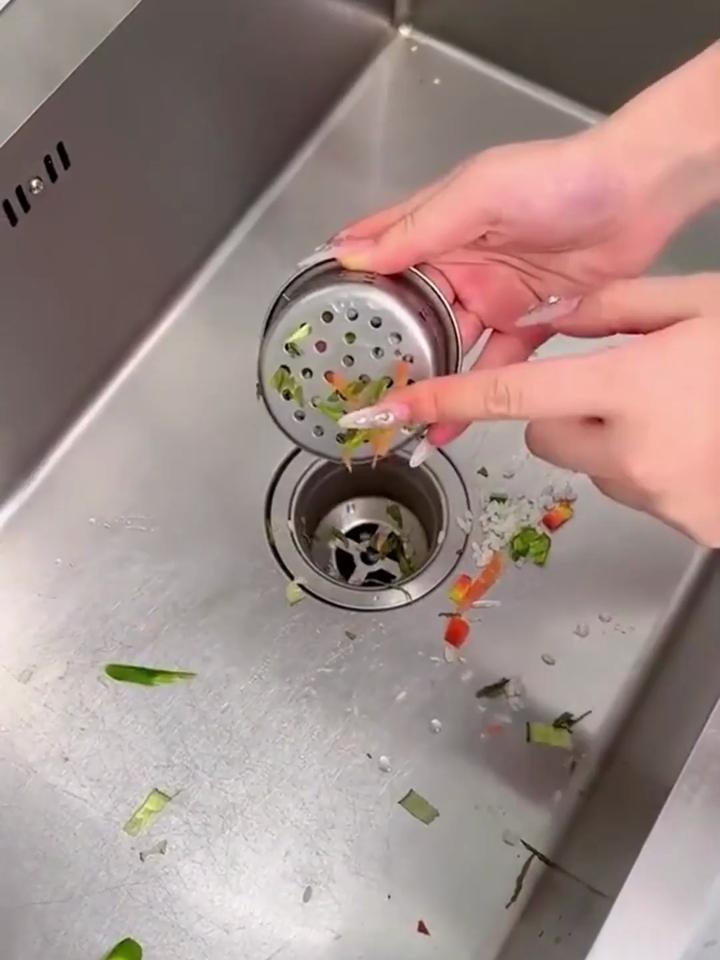
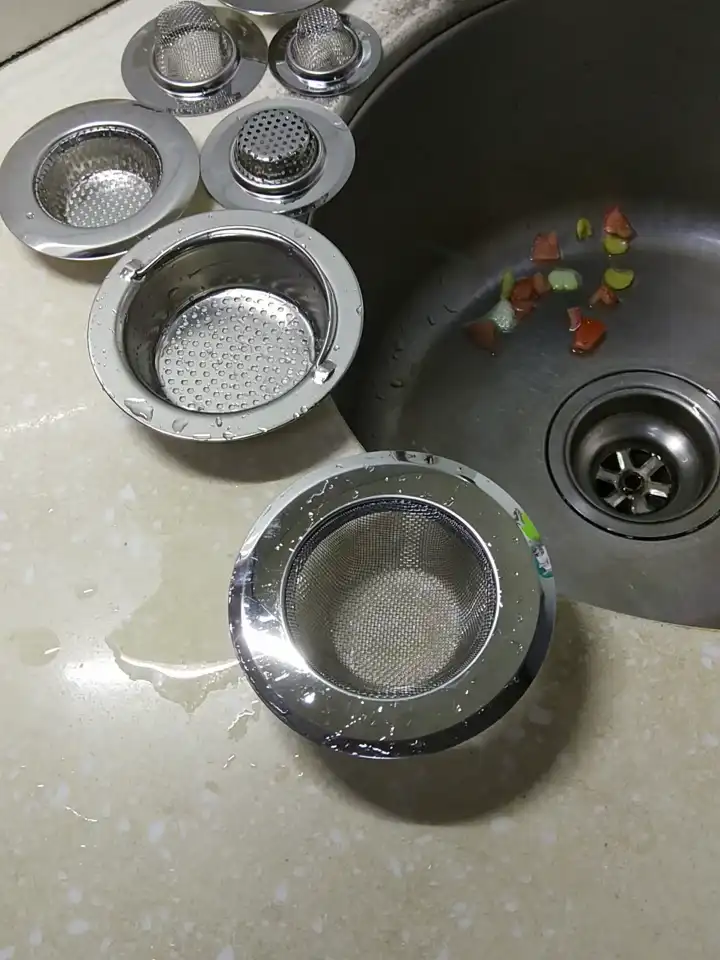
Barrier 1 — Screens & Strainers (First Defense)
Barrier 2 — Smart Grease Handling (Second Defense)
Barrier 3 — Routine Enzyme Maintenance (Third Defense)
Short Description: Know The Red Flags So You Don’t Make A Small Problem Worse
Call a licensed plumber if:
Short Description: Start With Low-Risk Fixes, Escalate As Needed, And Make Small Habit Changes To Prevent Return Visits
Triage: Boiling water → Reset disposer → Plunge → Auger → P-trap. Prefer mechanical fixes and enzyme maintenance over caustic chemicals. Prevention beats repair: strainers, no grease down the drain, and a monthly enzyme ritual are your best long-term tools.
Short Description: Clear Answers To Practical Questions
Q: Can I Use Chemical Drain Cleaners (Drano, Liquid Lye)?
A: They can dissolve some clogs but are caustic and can damage older pipes, seals, and skin. They also degrade septic system flora in high concentrations. Use mechanical or enzyme-based methods first.
Q: How Often Should I Clean The P-Trap?
A: Only when you notice slow drains or odors — as a planned check, inspect every 6–12 months.
Q: Are Enzyme Drain Cleaners Safe For Septic Systems?
A: Yes. Enzymes support the natural bacteria by breaking down organics rather than killing microbes.
Q: Will Boiling Water Harm My PVC Pipes?
A: A single staged kettle pour or hot-water flush is usually fine, but continuous scalding can soften PVC. When in doubt, use hot tap water staged in steps.
Q: What Causes Repeated Clogs Despite Cleaning?
A: Regularly pouring grease, disposing fibrous materials (onion skins, celery), coffee grounds, or objects; also possible mainline damage or tree roots. If recurring, get a camera inspection.