Redefine your kitchen experience
Our handmade sinks are created by experienced craftsmen, and each piece is a unique work of art.

Real reason to keep reading. I’ve ruined one countertop and wrestled with two disposals to learn this: removing a sink drain is simple when things are behaving, and a tiny nightmare when they’re not. This guide will teach you how to spot the pitfalls before they bite, how to choose the least destructive fix, and what to replace while the cabinet’s open — in short, how to behave like someone who knows what they’re doing even if you don’t. If you’re working with a modern stainless steel setup from a professional manufacturer like JSD Sinks, understanding how the drain is built matters more than you think.
Quick look, faster decisions. Before anything else, stick your head under the sink and look up into the bowl. You’ll usually see one of three things: a simple basket strainer (a round metal ring with holes), a pop-up with a pivot rod, or a disposal flange. Many workstation-style designs, such as those used in a workstation kitchen sink, integrate drainage components more tightly, so identifying the system early avoids mistakes.

Small prep, big payoff. Clear out the cabinet, put down towels, and park a bucket under the P-trap. If there’s a disposal, flip the breaker — don’t rely on the plug. Wear gloves. If the space smells like chemical drain cleaner, open a window first; that residue will sting if it splashes. This is especially important with deeper bowls commonly found in an undermount sink, where access is tighter.
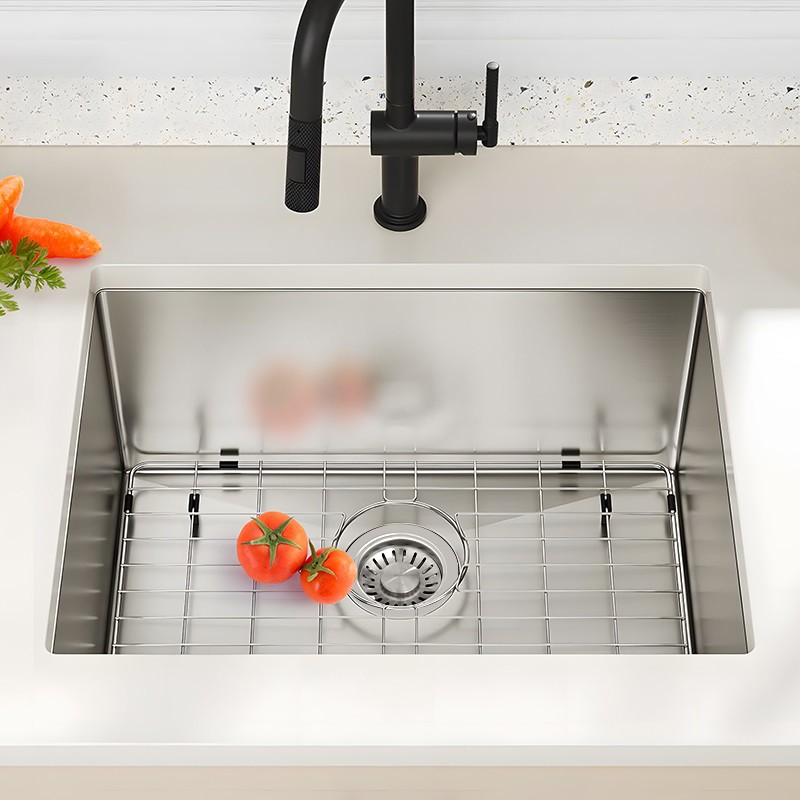
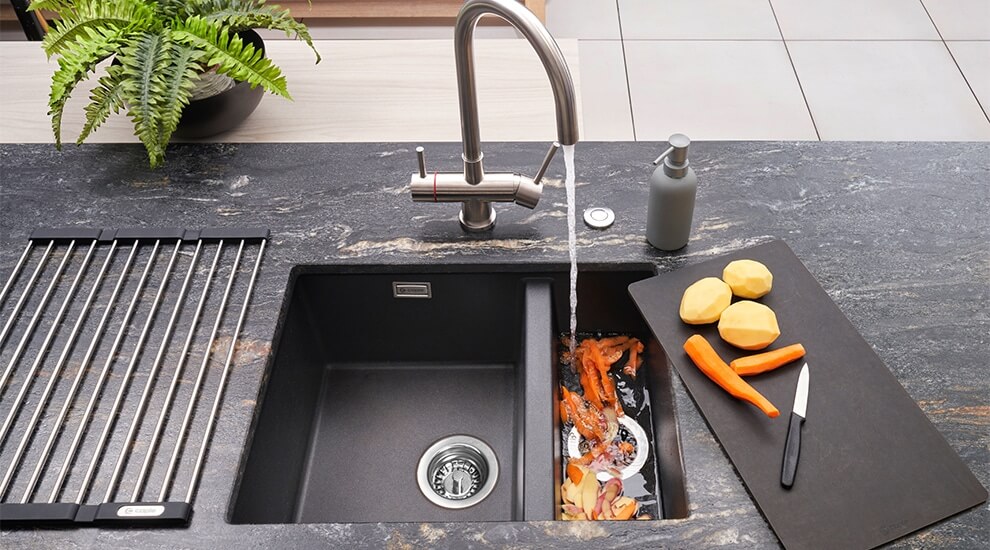
Pack like you mean it. You don’t need a van full of tools. An adjustable wrench, basin wrench (or long-handled pliers), slip-joint pliers, a putty knife, and penetrating oil cover most problems. A strap wrench and a small hacksaw are excellent insurance. And bring extra rubber washers — cheap, and they stop a lot of headaches later, particularly when paired with quality drain hardware like a kitchen sink drain with dual filtration baskets.
Why order matters more than strength. Think of the sink as layered: the P-trap and tailpiece are easiest to remove, so start there. That gives you room to see and move. Only after you clear the underside should you fight the mounting nut or the flange from above. Rushing to yank the flange first is how people scratch sinks and strip threads, especially on premium finishes.
The messiest but safest first move. Put the bucket under the trap, loosen the slip nuts, and let the water out into the bucket. There’s usually some sludge; that’s normal. Removing the trap gives you space and removes the obvious clogs you might have been dealing with for months.
Safety + patience wins here. If a disposal is present, turn off power at the breaker before touching anything. Support the unit with one hand, then release the mounting ring or unbolt the connection per the model’s instructions. If the ring won’t move, spray penetrating oil on the screws and wait — force can break plastic or twist your mounting studs.
This is where patience beats power tools. Under the sink you’ll find a big locknut. Use a basin wrench or adjustable wrench. If the nut is stubborn from corrosion, a few drops of penetrating oil and a 10–15 minute pause will earn you more than brute force ever will. If the metal is rounded, clamp with locking pliers or, as a last resort, score the nut and pry it away — be ready to replace it.
Gentle, even pressure — no heroics. From the sink bowl, pry away any plumber’s putty with a plastic scraper or putty knife. Avoid metal tools on stainless or porcelain unless you don’t mind scratches. Once the underside nut is off, push the flange up from below or lift it out from the top. If it feels fused, double-check that nothing is still attached under the sink — tiny clips on pop-ups are easy to miss.
Don’t lose the bits that matter. If you have a pop-up, locate the pivot rod where it meets the tailpiece and unscrew the retaining nut. Slide the rod out and keep its clip and spring in a small container — those pieces are small and essential. Losing them turns a 20-minute job into an hour-long scavenger hunt.
What actually works, based on mucking through it myself. If nuts are rounded: use locking pliers or a hacksaw to cut the nut off and replace it. If parts are corroded: cut and replace the tailpiece rather than trying to resurrect brittle metal. If the flange is glued with silicone, score around the edge and pry with a plastic scraper. Don’t heat old plastic parts — heat warps them and makes the problem worse.
Plumber’s putty vs. silicone — the simple rule. Putty is great for stainless and metal sinks because it’s easy to remove later. For stone, quartz, or porous counters, use a non-staining silicone. When tightening the locknut, hand-tighten then add a quarter-turn with a wrench — overtightening squashes gaskets and causes leaks.
If it looks tired, swap it now. New rubber gaskets, a new slip nut, or a fresh tailpiece are cheap insurance. If metal shows pitting or the old plastic is brittle, replace it. Doing the small swaps now usually saves a second visit, especially if you’re already upgrading accessories from the kitchen sink accessories collection.
Know your limits; calling early can be cheaper than fixing a botch. Call a pro if the locknut is welded solid with corrosion and you don’t have cutting tools, if the disposal is hardwired and needs electrical work, or if the sink hole or counter gets damaged. Also call if you’re uncertain about dishwasher hookups or complicated multi-fixture plumbing under the sink.
Two-minute maintenance that pays off. Rinse the flange occasionally, avoid harsh chemical drain cleaners, and use a strainer. Replace rubber seals when you notice them getting squishy or cracked. Keep a small tube of silicone and an extra gasket in the cabinet — you’ll thank yourself.
You now have a practical, decision-focused plan: identify the type, prep properly, remove the P-trap, disconnect any disposal safely, loosen the mounting hardware, lift the flange with care, and replace tired parts. If you want, I’ll convert this into a printable one-page checklist or a tools-only shopping list for your sink model. Tell me the sink type and I’ll make it — or if you want, paste a photo and I’ll point out the parts I see.