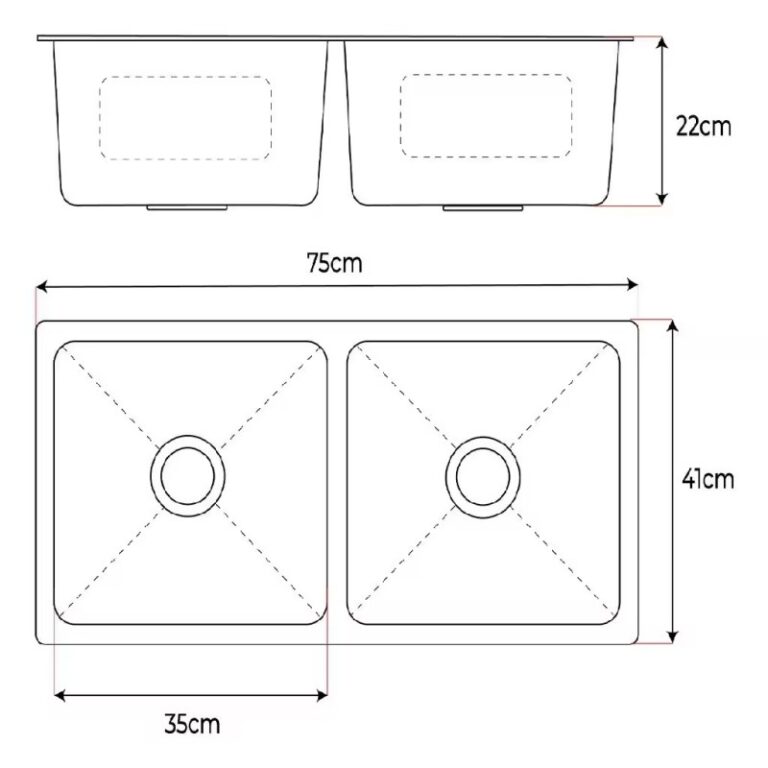
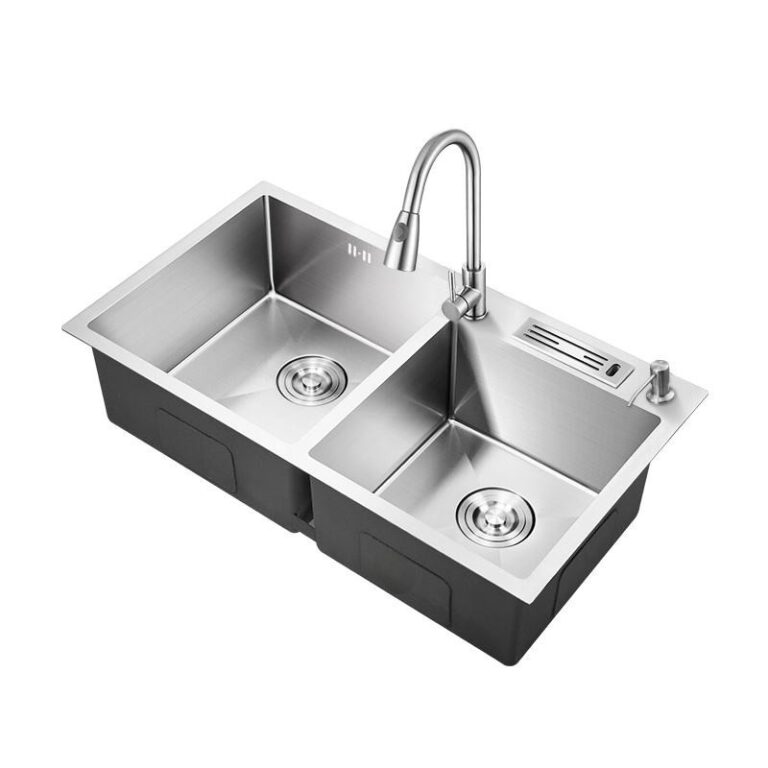
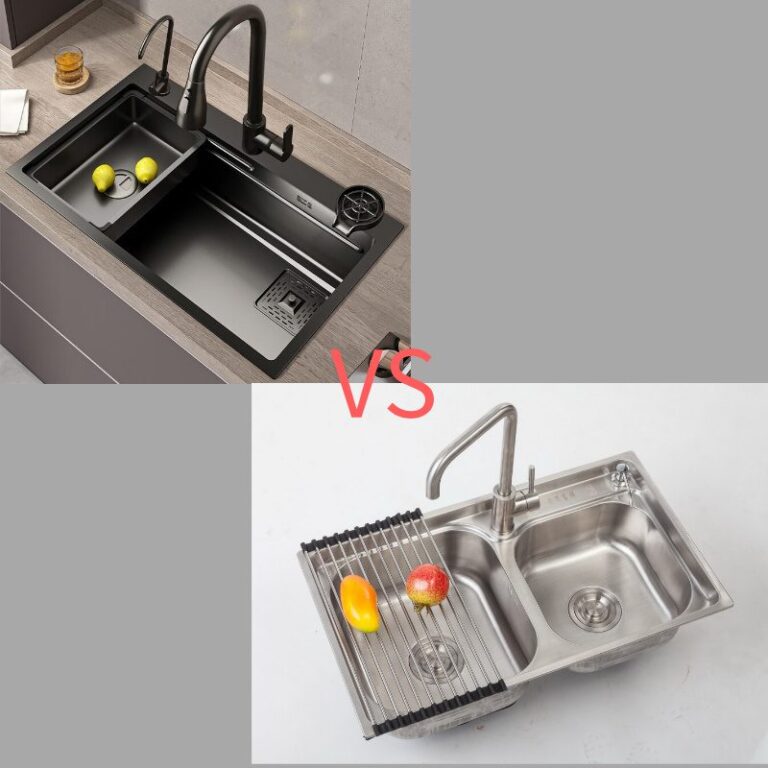
Redefine your kitchen experience
Our handmade sinks are created by experienced craftsmen, and each piece is a unique work of art.

I’ll be blunt: installing a kitchen sink is the kind of job that looks simple until it isn’t. I’ve done a few of these myself (some turned out great; one taught me to never reuse old braided hoses). The difference between a one-hour swap and a weekend full of headaches is almost always one of three things: planning, dry-fitting, and patience. Read this straight through, then do it in order — the payoff is fewer surprises and a sink that stays leak-free for years.
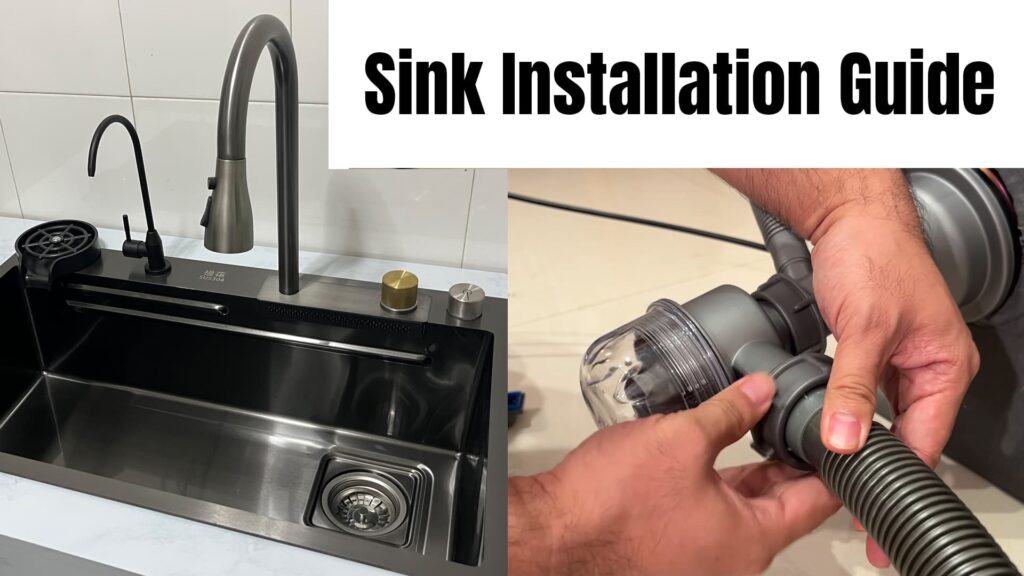
A sink is not decorative trim. It’s the workbench of your kitchen and a failure point for water damage. Leaks hide where you can’t see them — under counters, through plywood, into cabinetry. Spend a little extra attention now and you avoid mold, warped cabinet bottoms, and a call to a contractor during dinner prep. Also: the order you tighten things and the moment you test make a huge difference. I’ll tell you what to do, and why.
You can’t install a sink properly if you picked the wrong one for your cabinet and routine.
Stainless steel (my go-to for most swaps)
Composite / granite
Fireclay / cast iron / porcelain
Mounting choices
If you’re new to this, pick a sink that matches your existing cutout and go stainless drop-in or a supported undermount.
Collecting tools is not ritual; it’s about having the right leverage and access.
Must-have tools
Materials
Tip: braided supply lines cost little and are a huge insurance policy — replace them every time you remove a faucet.
I promise: two minutes chasing a small drip now saves two hours later and a ruined cabinet.
(Read each step once, then do it. Don’t skip the dry-fit.)
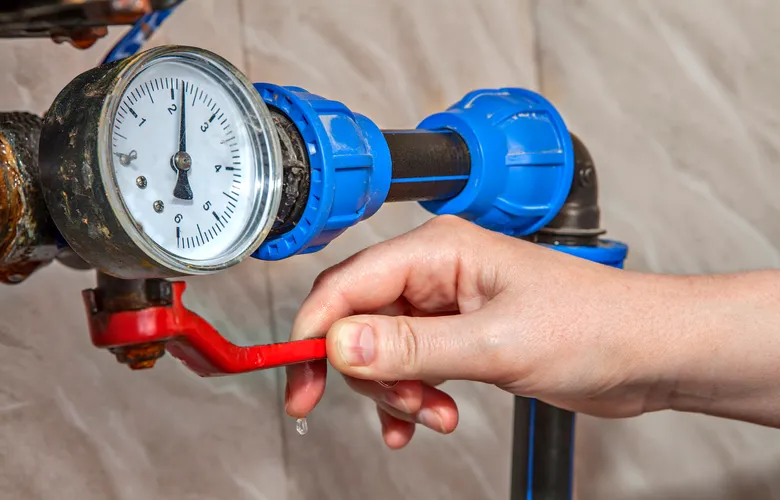
Turn the hot and cold shutoffs under the sink. If there are none, shut the house water. Unplug the garbage disposal or flip its breaker. You’ll get wet — accept that and put down towels and a bucket.
Why: surprising water will come out of the P-trap and hoses; you want to control where it lands.
Why: going slow keeps you from pulling a countertop delamination or tearing cabinet veneer.
With the sink out, check for soft wood, mold, or rot under the rim. If you find any, stop and repair it. Measure the cutout twice and compare with your new sink’s template.
Why: a rotten frame will fail even if the sink is perfectly mounted.
Assemble the drain flange, tailpiece, and faucet into the sink while it’s on the floor or countertop — tighten them to finger-tight or per instructions. Slide the assembled unit into the cutout to check alignments and clearance for handles and sprayer hoses.
Why: tightening under the counter is far harder. Doing this ahead saves frustration.
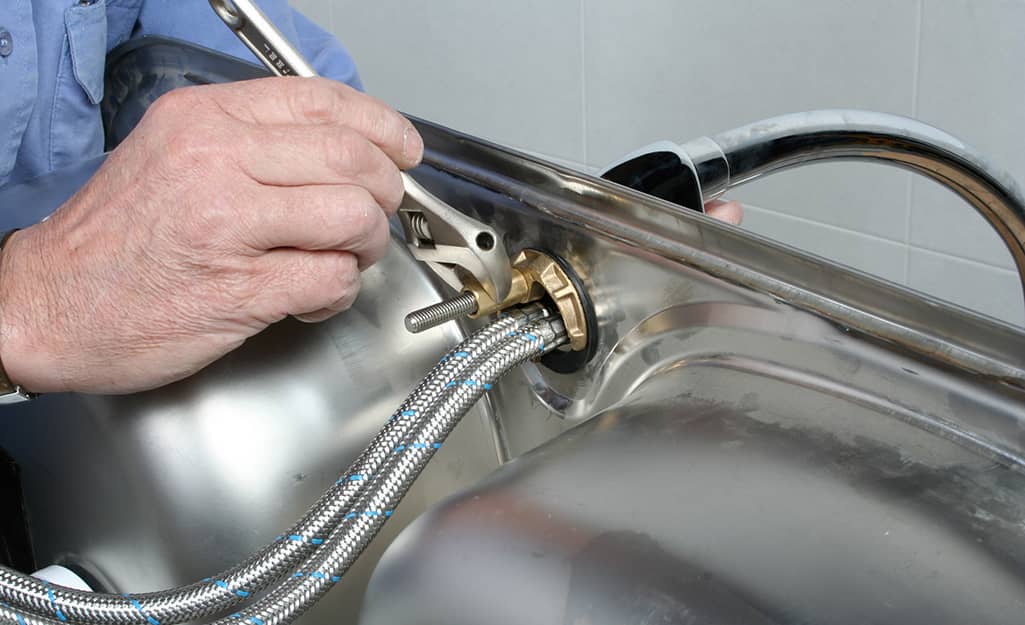
Install the faucet, spray, and soap dispenser now. Firm up the nuts until snug. Connect the supply lines (hand-tight + small wrench finish). Don’t forget the deck plate or escutcheon if needed.
Why: getting good torque on faucet mounting nuts is simply easier with the sink loose.
Drop-in: run a thin, continuous bead of silicone around the cutout top where the sink lip will sit. Lower the sink carefully, press to seat, then fasten mounting clips evenly underneath. Wipe excess silicone.
Undermount: you’ll need support (a friend, jack, or blocks) to hold the sink while you engage the mounting brackets and apply silicone between sink rim and countertop.
Why: even pressure and an uninterrupted bead prevent capillary seepage later.
Assemble the tailpiece and P-trap. If installing a disposal, follow the manufacturer’s mounting instructions and connect the dishwasher hose after you remove the appropriate knockout (if your disposal has one). Hand-tighten slip nuts, then give a quarter turn with pliers — no more.
Why: overtightening crushes washers and causes leaks. Hand-tight + quarter turn is plenty.
Attach the fresh braided hoses to the shutoffs and the faucet. Turn the valves on slowly and watch every joint. Run hot and cold together and check for leaks. Fill the sink and release to test the drain. Run the disposal with water if installed.
Why: staged pressurizing finds leaks before you finish the final seal.
Once everything is dry, tidy the silicone bead with a wet finger or caulk tool for a neat line. Wipe the sink clean. Keep an eye on it for the next 24 hours — a slow drip can reveal itself after a run or two.
Why: silicone needs a little time to set and will hide small gaps if applied cleanly.
If you aren’t sure whether a leak is coming from a washer or a crack, dry everything with paper towels, run a small flow, then look for fresh damp spots — tracing moisture is a detective job, not a guess.
Call a pro if:
I don’t mind the extra cost in these cases — a small price now beats a big repair later.
These are low effort and high return.
I know it’s tempting to rush (especially if you’re replacing a sink mid-renovation), but the two actions that separate a “done” job from a “done right” job are: dry-fitting and staged testing. If you do those, you’ll discover most issues before the sealant cures and before cabinetry gets wet. If anything looks rotten or beyond your comfort zone, hire the pro — it’s a smart use of money, not a failure.