Intro — short version: Choosing the right sink size isn’t only about “fitting” — it changes how you cook, clean, store, and enjoy your kitchen. Below you’ll get a practical sizing chart, metric conversions, ergonomics, installation constraints, material trade-offs, pro tips and a compact checklist to make the decision simple and confident.
Kitchen sinks come in many shapes, but the most common installed widths you’ll see are roughly 24″, 30″, 33″, and 36″ (inches). Depths (bowl height) typically range 8″–10″, and bowl lengths/widths vary depending on single vs double bowls.
Why size matters:
Capacity: bigger sinks hold more pots and reduce splashes when washing large items.
Ergonomics: very deep sinks make you bend more; very shallow ones can be uncomfortable for large items.
Cabinet and countertop constraints: the sink must match the cabinet width and countertop cutout.
Accessories & layout: drain placement, disposal, and accessories (racks, cutting boards) fit differently by size.
2. Quick sizing reference
These are typical installed sink sizes and their rough internal volume (useful for understanding capacity).
Typical size (in)
Size (cm) approx.
Typical depth (in/cm)
Approx. bowl volume (liters)
Small — 24″ × 18″ × 8″
61 × 46 × 20 cm
8″ (20 cm)
~57 L
Medium — 30″ × 18″ × 9″
76 × 46 × 23 cm
9″ (23 cm)
~80 L
Large — 33″ × 22″ × 10″
84 × 56 × 25 cm
10″ (25 cm)
~119 L
Farmhouse — 36″ × 22″ × 10″
91 × 56 × 25 cm
10″ (25 cm)
~130 L
(Volume above is a simple length×width×depth estimate — real usable volume is less due to slopes, radii and drain indentations, but the figures give a reasonable capacity feel.)
3. Measuring your kitchen space — step-by-step
Measure the base cabinet width (inside the cabinet if frameless, or between face frames if framed). This is your primary constraint.
Measure countertop overhang and backsplash clearance (important for apron/front sinks).
Measure under-sink plumbing space — look for pipes, filters, or drawers that could interfere.
Check the distance from countertop to bottom cabinet shelf — determines maximum sink depth you can reasonably install.
Measure for faucet and accessory holes — some sinks have integrated pre-drilled holes; others rely on the deck or wall-mounted faucets.
Rule of thumb: Always check the sink manufacturer’s recommended minimum cabinet size and cutout template before buying. If in doubt, choose a slightly smaller sink for flexibility.
4. Popular styles and how size interacts with them
Single-bowl sinks: Great for large pots; easier to wash oversized items. Best in medium-to-large sinks (30″+).
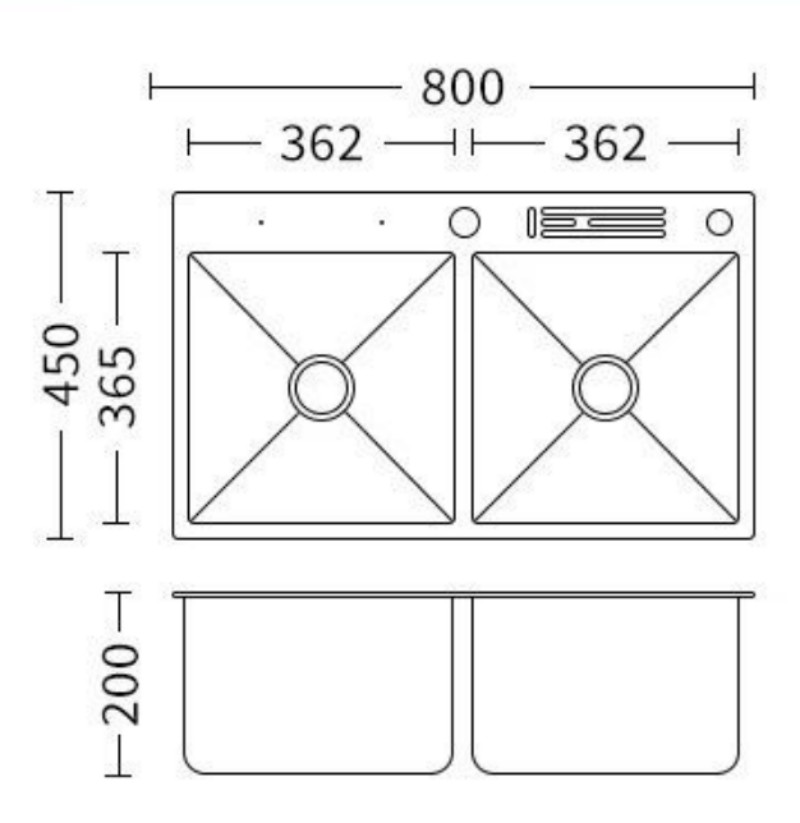
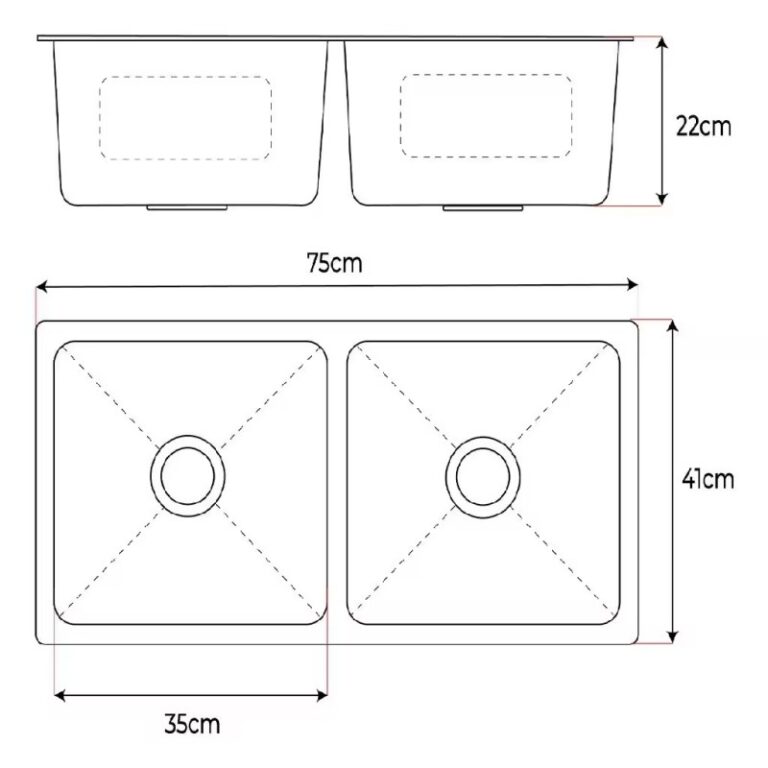
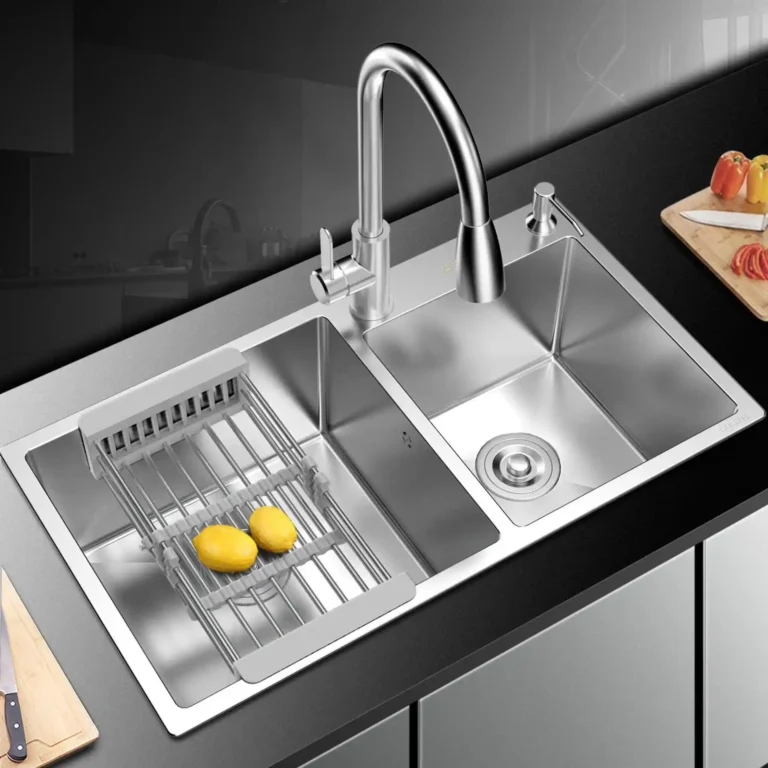
Double-bowl sinks: Helpful for multitasking (wash / rinse). Two bowls require more width or compromise on bowl size.
Farmhouse (apron-front): Visual centerpiece. Often wider (33″–36″+) and needs front support and a compatible cabinet.
Undermount sinks: Sleek and easier to sweep crumbs into; require solid countertop material (stone, quartz).
Top-mount (drop-in): Easier install, used with thinner or laminate counters.
Integrated or composite sinks: Provide continuous surface, often custom widths.
5. Materials — the size consequences and practical pros/cons
Stainless steel — most common, versatile. Thinner gauges may vibrate in large spans; large sinks benefit from thicker (16–18 gauge) steel and soundproofing pads.
Fireclay / ceramic — heavy and very durable; large spans require strong cabinet support; resist heat and staining but chip if impacted.
Composite granite / quartz — thick, heavy, sound-damping; can be manufactured in large single bowls but need strong support.
Cast iron with enamel — classic look, heavy; installation and cabinet reinforcement needed for large sizes.
Copper / brass — visual statement, patinas over time; typically used in smaller or custom sinks.
Tip: For larger sinks, prioritize materials and mounting that minimize flex and noise (solid mounting, undercoating).
6. Factors to consider when choosing sink size
Cooking & cleaning habits
Do you wash large pots/pans by hand? Choose a deeper, wider single bowl (30″–36″).
Do you rinse veggies frequently and use dishwashers for big items? A double bowl (one shallow, one deep) can work well and save space.
Size of kitchen & countertop
Compact kitchens: favor 24″ or 30″ sinks; consider single-bowl or compact double.
Large kitchens/island installations: 33″–36″ or double/dual configurations for prep + cleanup zones.
Additional features & accessories
Built-in draining boards, integrated colanders, sliding cutting boards or trays need extra length or over-bowl space.
Garbage disposal, water filters and under-sink pull-out drawers influence bowl placement and cabinet compatibility.
Ergonomics
Deeper than ~10″ increases bending; pair with anti-fatigue mats or change countertop height if needed.
Consider offset drain (toward rear) to increase usable depth and keep items above trap plumbing.
7. Installation tips
Use the manufacturer’s template: cutting the countertop precisely is critical for undermount and apron-front sinks.
Account for mounting brackets and clips — these need room under the countertop.
Reinforce cabinetry for heavy materials (fireclay, cast iron) and large single-bowl sinks.
Plan for faucet/fixture placement and accessory holes (soap dispenser, spray, filtered water).
Soundproofing & insulation: apply anti-vibration pads or undercoating (especially for large stainless sinks) to reduce noise.
Professional plumbing check: if switching to a much larger sink or different drain position, check trap and disposal alignment early.
If replacing with a farmhouse sink, verify the cabinet face frame — many farmhouse sinks require a modified front or dedicated apron-front cabinet.
8. Maintenance & long-term care by material
Stainless steel: daily wipe; use soft cleaners for water spots; avoid steel wool (it can scratch).
Fireclay / ceramic: avoid hard impacts; clean with non-abrasive cleaners to keep glaze intact.
Composite: rinse after use; avoid abrasive powders; some composites can be mildly re-polished.
Cast iron enamel: avoid dropping pans; repair chips quickly to prevent rust.
Copper: patinas naturally — use specialized cleaners if you want to preserve shine.
Pro tip: Use bottom grids to protect surfaces and add rubber pads to keep dishes from rattling in wide sinks.
9. Commonly Asked Questions
1. What is the most common kitchen sink size? The most frequently seen widths are 30″ and 33″ with bowl depths between 8″ and 10″. These sizes balance capacity and cabinet compatibility for many homes.
2. Can I install a larger sink in a small kitchen? Technically, yes — but only if your base cabinet and countertop can accommodate it. Check cabinet width, plumbing, and whether a larger sink would block drawers or appliances. Sometimes a deeper single bowl is a better space-efficient choice than a wider sink.
3. Are farmhouse sinks only suitable for large kitchens? Farmhouse sinks are often wider (33″–36″+) and need an apron-front cabinet or modification. They can be used in moderate kitchens if you’re willing to sacrifice some cabinet space or modify cabinetry — but they shine visually in larger kitchens or as a focal point.
4. What’s the best material for a durable kitchen sink? “Best” depends on priorities: stainless steel (thicker gauge) is versatile and durable; fireclay or cast iron are extremely durable and classic-looking but very heavy; composite granite resists scratches and staining and dampens sound. For a busy family kitchen, 16–18 gauge stainless or composite granite are reliable choices.
5. Do double-bowl sinks take up more space? Yes, double-bowl setups typically require more width to have usable bowls (unless each is intentionally compact). They can reduce the usable area of each bowl compared to a single-bowl sink of similar overall width.
Conclusion — how to choose in one sentence
Pick the largest sink that fits comfortably in your cabinet and countertop space while matching how you cook and clean: if you regularly wash large pots, choose a wider/deeper single or farmhouse sink; if you multitask and want separation, choose a double-bowl with the necessary cabinet width.