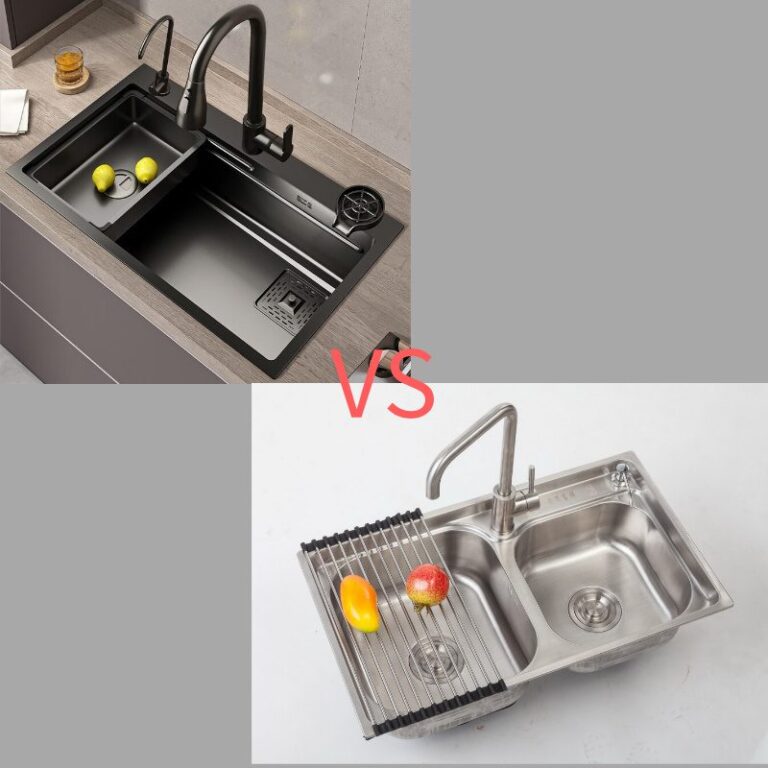
A Practical, Human-Centered Guide To Picking A Sink That Actually Fits How You Live
Introduction — Why Your Sink Choice Matters
Your Sink Choice Shapes Daily Routines And Kitchen Mood.
A sink Is Not Just A Hole In The Counter — It’s Where Prep, Cleanup, And Little Kitchen Rituals Happen. The Right Choice Saves Time, Reduces Friction, And Makes Everyday Cooking Feel Easier. Below I Walk You Through The Real-Life Tradeoffs—Not Just Specs—So You Can Choose A Sink That Matches Your Habits, Space, And Expectations.
1: Single Vs. Double Sinks — Function First
Decide Based On Workflow, Not Just Looks.
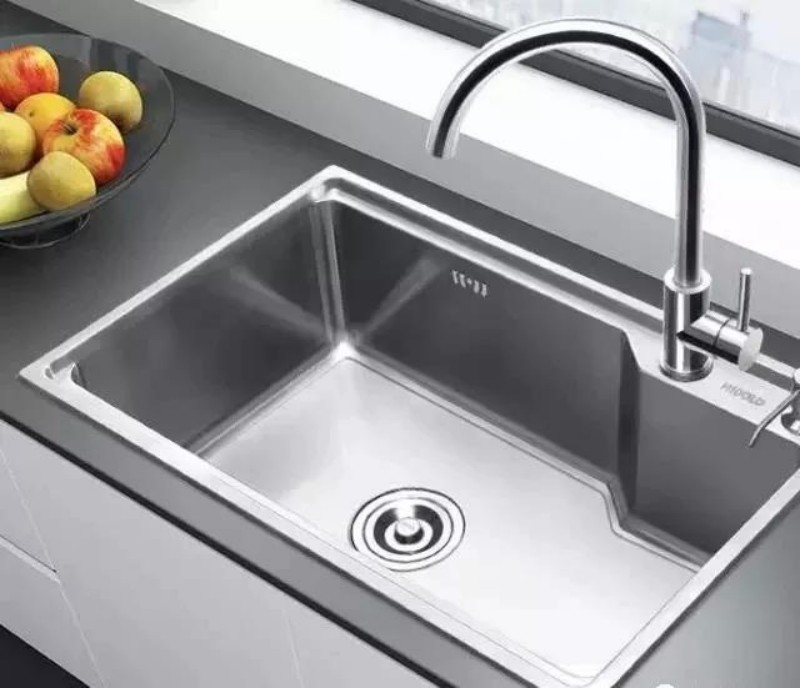
Short Description: Single Sinks Offer Room; Double Sinks Offer Division.
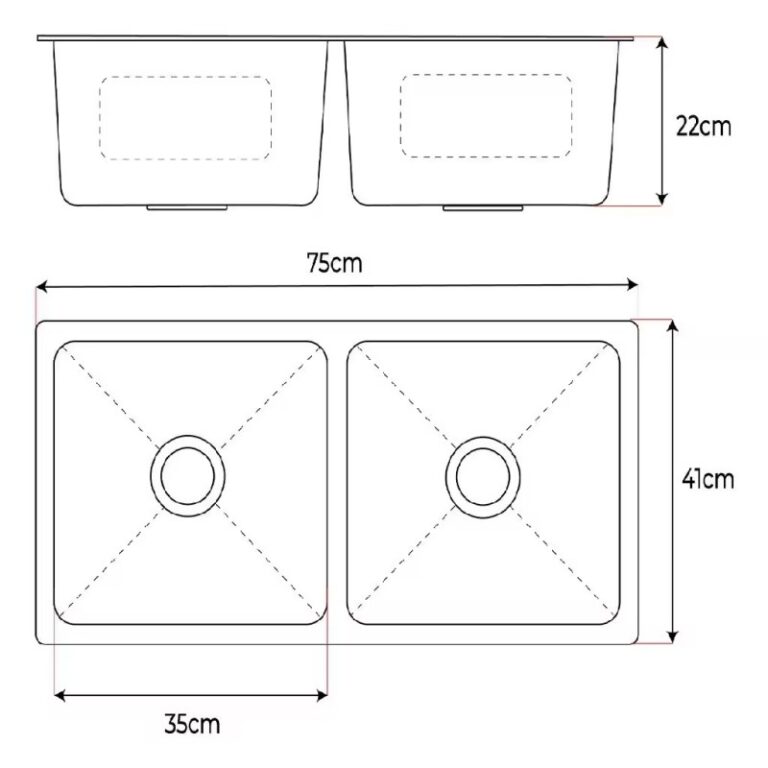
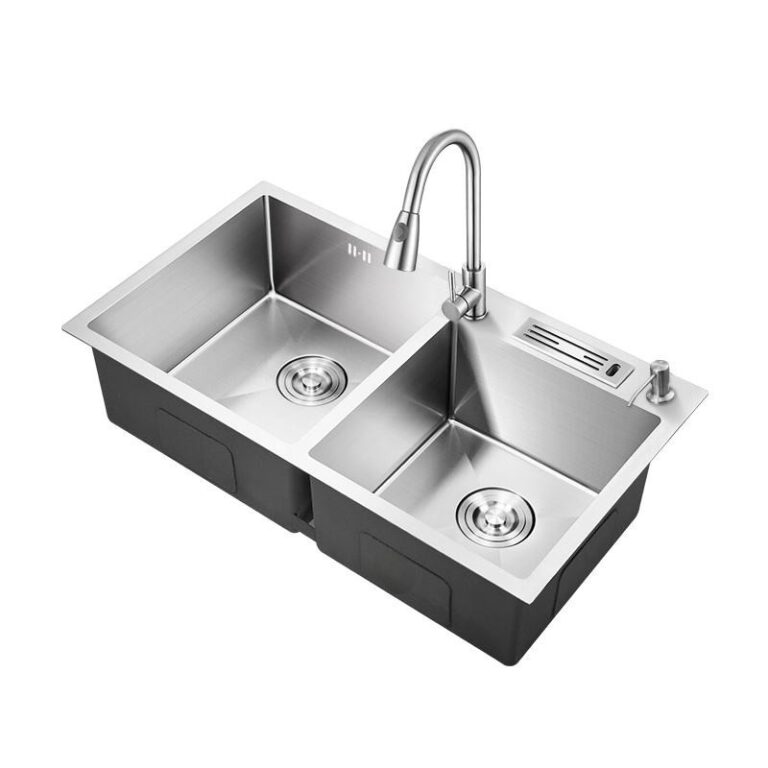
A Single Deep Basin Is Great When You Wash Big Pans, Stack A Few Dishes, Or Prefer A Minimal Setup. A Double Basin Lets Two Tasks Happen At Once—One Side For Soaking Or Scrubbing, The Other For Rinsing Or Food Prep—which Feels Like Having An Extra Pair Of Hands On Busy Nights.
Real-Life Scenarios
- Young Couple With A Dishwasher: Single Deep Basin — Less Fuss, More Space For Lids And Pans.
- Family Of Four Who Cook Daily: Double Basin — Parallel Workflows, Less Cross-Contamination.
- Apartment Cook Who Loves Big Woks: Single Extra-Deep Basin — No Tetris With Pans.
Practical Pros And Cons (Humanized)
- Single Sink Pros: Feels Liberating When You Can Drop Large Items In Without Juggling. Easier To Clean Fast.
- Single Sink Cons: Can Feel Messy During Multi-Task Prep (meat here, veg there).
- Double Sink Pros: Feels Organized; you can rinse while someone else scrubs. Great for food-safety-minded households.
- Double Sink Cons: Smaller Individual Basins Can Make Washing Big Pans Awkward.
Quick Rule Of Thumb: If You Cook Alone Most Nights And Hate Clutter — Go Single. If You Cook With Others, Prep A Lot, Or Want A Disposal Dedicated To Scraps — Go Double.
Think About Daily Cleaning And Future Changes.
Short Description: Undermount For Seamless Cleaning; Top-Mount For Simplicity And Serviceability.
Undermount Sinks Give A Clean Wipe-Across Counter Experience—Crumbs Go Straight In—Which Feels Almost Luxurious. Top-Mount Sinks Are Easier To Install And Replace, Which Is A Relief If You Move Often Or Want Lower Upfront Hassle.
What You’ll Actually Notice Day-To-Day
- Undermount: Wiping Counter Is A Small Joy. But Installation Is Fiddly, And You Lose A Little Cabinet Height Under The Sink.
- Top-Mount: The Rim Can Collect Grime Over Time And Needs Resealing, But Swapping The Sink Later Is Far Easier.
Compromise Options
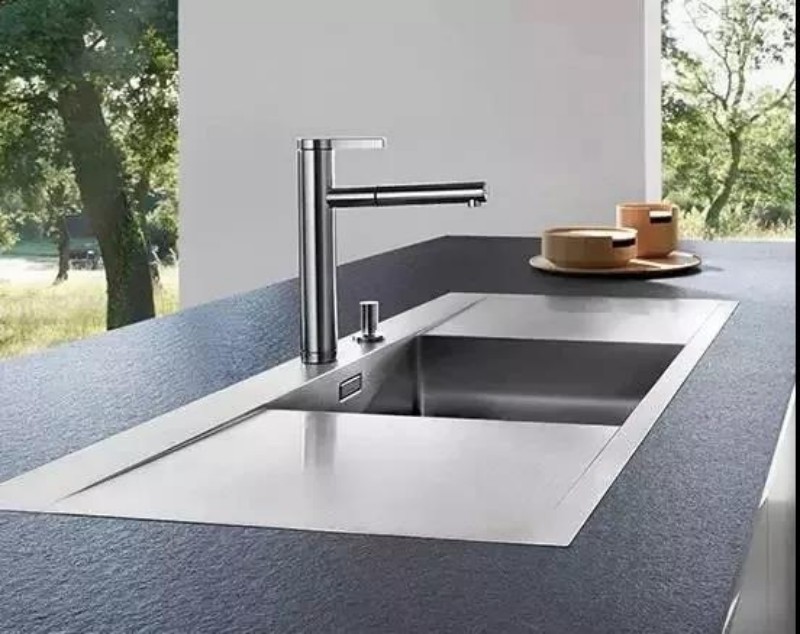
- Flush-Mount / Recessed Edge: Feels Cleaner Than A Full Rim But Easier Than A True Undermount.
- One-Piece/Integrated Counters: Gorgeous And Hygienic, But Expensive And Less Flexible.
Advanced Considerations — Accessories, Ergonomics, And Tiny Details That Add Up
Details Are Where Satisfying Use Happens.
Small Choices — Faucet Style, Garbage Disposal, Under-Sink Clearance — Determine Whether The Sink Works Smoothly Or Constantly Frustrates You.
Checklist Of Things To Plan For
- Faucet Reach/Type: Pick A Pull-Out Or Swivel Faucet If You Have A Double Sink.
- Disposal & Anti-Vibration Mount: If You Want A Disposal, Add A Damping Base To Avoid Nighttime Rattling.
- Under-Sink Clearance: Measure For Filters, Purifiers, Or Small Heaters — Especially With Undermounts.
- Workspace Layout: Leave 45–60 cm Of Usable Counter On At Least One Side For Drying/Prep.
Ergonomics Tip: Aim For A Sink Depth That Lets You Wash Comfortably Without Hunching—Test With Your Elbow Height If Possible.
Cost, Installation And Maintenance — What You’ll Pay With Time And Money
Think Long-Term: Installation Quality Matters More Than The Brand.
Short Description: Pay For Good Installation; It Saves Pain Later.
A Precise Install Prevents Leaks, Stops Mold In Its Tracks, And Keeps Your Cabinets Dry. Cutting Corners On Install Often Costs More In Repairs.
Maintenance Rhythm
- Weekly: Wipe The Sink Lip And Drain Area; Empty The Disposal (If Any).
- Every 6–12 Months: Check And Re-Apply Sealant Where Needed; Inspect For Corrosion Or Discoloration.
- When Replacing: Reassess Faucet Holes, Soap Dispensers, And How Accessories Fit.
Quick Decision Flow — Which Sink Should You Pick?
A Short, Honest Guide To Choose Fast
Short Description: Answer These Questions To Narrow Your Options.
- Do You Cook For A Crowd Regularly? Yes → Double Basin. No → Single Basin.
- Do You Hate Cleaning Counter Joints? Yes → Undermount/Flush-Mount. No → Top-Mount Is Fine.
- Will You Install A Disposal Or Water Treatment Under The Sink? Yes → Consider Cabinet Height And Access.
- Do You Move Often Or Need Easy Replacement? Yes → Top-Mount; No → Undermount For Elegance.
Final Thoughts — The Sink As A Kitchen Personality Marker
Choose The Sink That Smoothes Your Rituals, Not One That Looks Good In Photos.
A Well-Thought-Out Sink Matches How You Live: It Reduces Small Frictions, Fits Your Storage, And Lets You Clean Without Drama. Invest A Little Time Measuring, Picture A Typical Dinner Prep, And Choose The Option That Makes That Moment Easier.