Redefine your kitchen experience
Our handmade sinks are created by experienced craftsmen, and each piece is a unique work of art.

Some people don’t think too much about their kitchen sink until the moment they realize they picked the wrong one. Maybe it scratches too easily. Maybe pots never quite fit. Maybe the water splashes no matter how carefully you turn the tap. A sink is the one part of the kitchen you use every single day, yet it’s often chosen faster than a wall color.
If you’re trying to avoid that regret, the best place to start is not with size or material — but with how you live. Once you understand your habits, the technical choices begin to make sense. For more inspiration, you can browse various sink options on our homepage.
When I ask homeowners why they picked their previous sink, the usual answer is, “It looked nice.” A few months later, the complaints begin. A sink should match behavior, not just décor.
For example:
Think about the tasks you do without thinking: rinsing fruit, washing pitchers, soaking pans, scrubbing baby bottles. These small motions reveal the sink size and shape that will actually make life easier. If your space is tight, a compact model like the single undermount sink perfect for small spaces may suit your needs.
Most blogs list undermount, top-mount, and farmhouse sinks like a menu. But the difference goes deeper.
If you do a lot of hand-washing, comfort becomes more important than aesthetics. To compare real examples, check out this popular 32-inch farmhouse sink with built-in accessory ledge.
This is where most shoppers get overwhelmed. Stainless, fireclay, composite, cast iron, copper… and everyone swears theirs is the best.
Here’s the real-world version:
It’s popular for a reason. It doesn’t crack, it forgives mistakes, and it’s easy to maintain. If you’re choosing stainless, pay attention to thickness — a 16-gauge sink feels solid and reduces vibration when water hits the bowl. A slightly brushed finish hides daily scratches better than a mirror polish.
Heavy, glossy, and timeless. These are common in farmhouse kitchens because they look luxurious without trying. They do resist stains well, but if you drop a cast iron pan onto the edge, it can chip. Usually not a deal-breaker, but worth noting.
If you dislike the “clang” of metal, composite sinks feel quiet and sturdy. They’re resistant to scratches and heat, but they weigh more and sometimes require reinforced cabinets.
Beautiful and long-lasting, but extremely heavy. Once installed, they rarely move. If you want a classic look, cast iron has that warm, traditional presence others can’t imitate.
These are more like functional artwork than simple fixtures. They develop a patina over time — some love that story-like aging, others don’t. You decide.
Pick a material that suits your tolerance for aging, maintenance, and noise. Don’t fall for trends that don’t fit your lifestyle. If you prefer modern stainless options, you may explore the seamless stainless steel undermount kitchen sink.
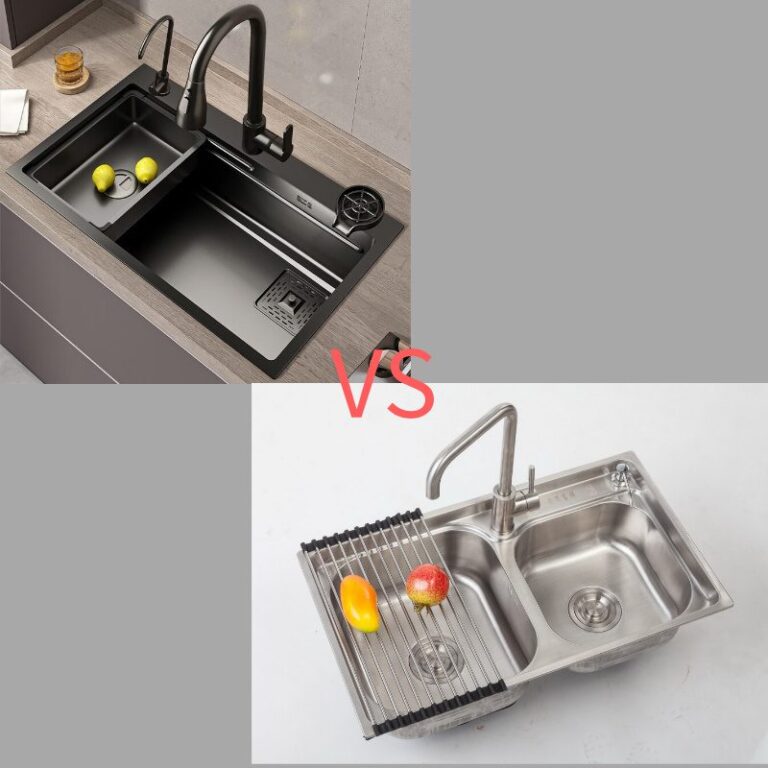
A single, large bowl is the trend these days, and for good reason — baking trays, woks, and oversized pots finally have somewhere to fit. But double bowls still make sense when:
A middle option is the offset double bowl, where one side is larger. It offers flexibility without sacrificing the space a big pot needs.
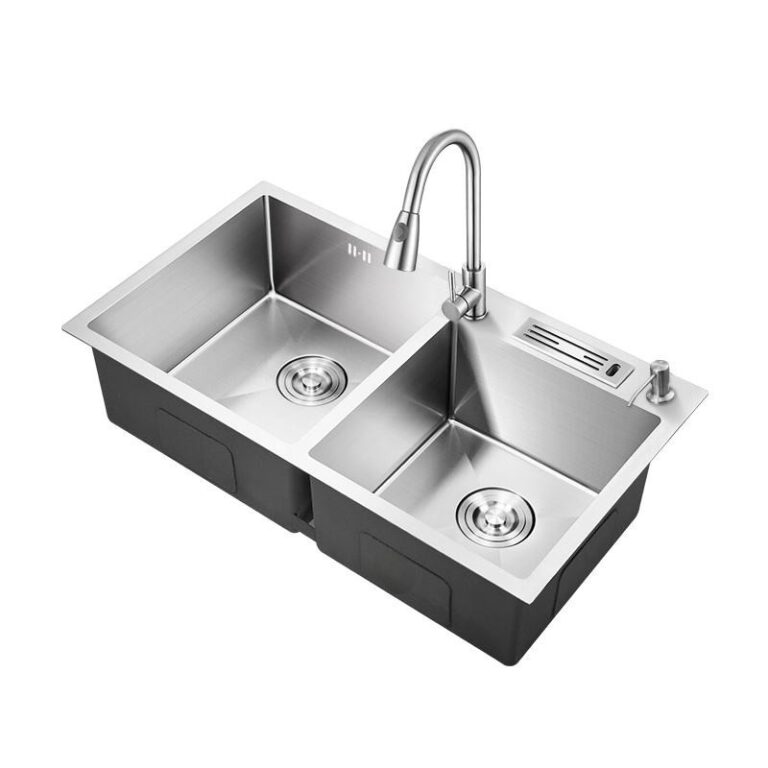
There’s no universal “best.” There’s only the way you cook. If double bowls work better for you, look at the modern stainless double sink undermount.
Many people assume deeper is better. Not always.
Try this: stand at your current sink and notice how your shoulders feel. That should guide the depth, not just aesthetics.
A sink looks simple, but the small choices change everything:
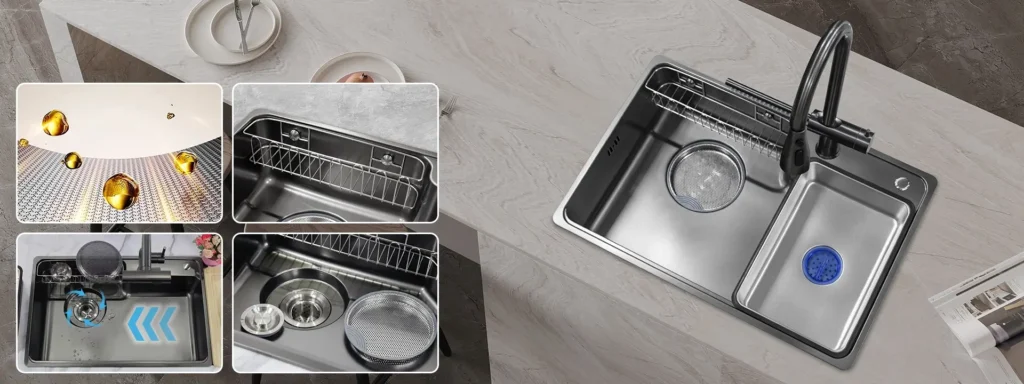
The best sinks feel intuitive because the details were considered. If you need accessories, explore JSD’s kitchen sink accessories collection.
People often buy a sink and faucet separately without checking compatibility. The result? Splash chaos.
Things to ensure:
A great sink with a mismatched faucet becomes a daily frustration.
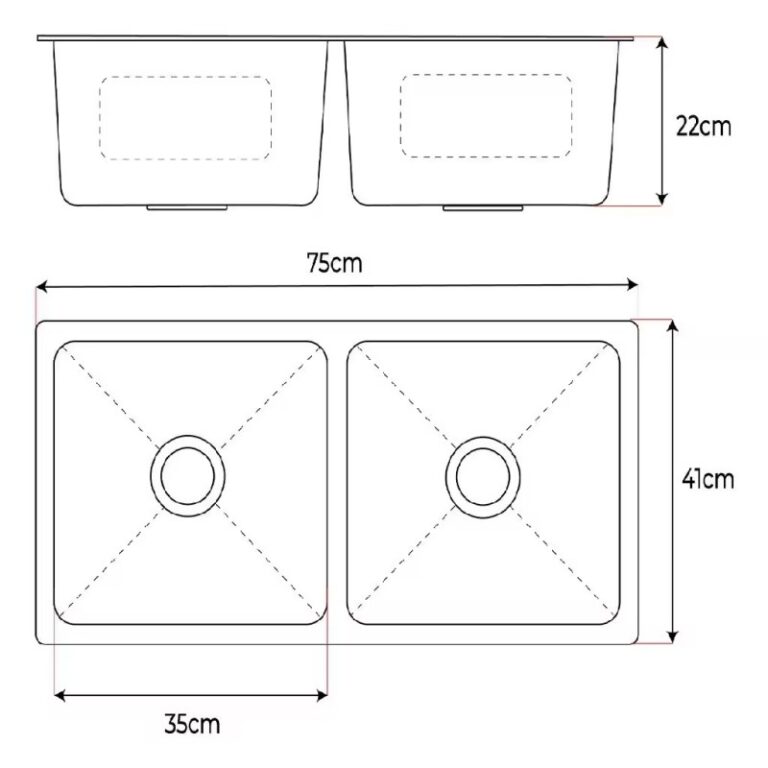
A sink might “fit” on paper but not in your cabinet. The real constraints:
This is why installers always say: measure the cabinet, not the catalog dimension.
A kitchen sink is a long-term purchase. Spending a little more on material quality usually pays off in years of less noise, fewer stains, and less frustration.
Where it’s worth paying extra:
Where you can save:
A thoughtful choice lasts 15–20 years. Sometimes more.
Good kitchens don’t start with cabinets or lighting. They start with a sink that quietly supports everything you do. When you choose based on habit, comfort, and durability rather than trends, your kitchen becomes easier to clean, more pleasant to work in, and far more enjoyable day to day.