Redefine your kitchen experience
Our handmade sinks are created by experienced craftsmen, and each piece is a unique work of art.

Short Description: A Warm, Practical Guide That Puts Real Life First — How These Two Sink Styles Feel, Perform, And Fit Into Your Home Story
Short Description: Why This Decision Feels Bigger Than It Seems — And How To Make It Without Regret
Picking a sink is one of those home choices that quietly shapes your day. It’s where you chop, soak, rinse, and sometimes stand and think while the kettle boils. That’s why this isn’t just a spec fight between “handmade” and “pressed” — it’s about how you live, what you value, and what kind of kitchen story you want to tell. I’ll walk you through the real, human things that matter: how a sink sounds when you drop a pan into it, how it ages alongside you, how it behaves on moving day, and how to shop so you don’t end up regretting a pretty finish or a cheap panel.
Short Description: The Feel-Right Choice — Character, Repairability, And The Costs You’ll Accept
Handmade sinks are made by people whose hands shape the metal. They carry subtle irregularities — hammer marks, minor color shifts, welds that are polished by hand. These are not flaws; they are the fingerprints of craft.
Why People Choose Them
What You Trade-Off
Real-World Persona: The Slow-Renovator
You remodel once every decade, love artisan markets, and want the sink to become a character in your home photos. Handmade fits you.
Short Description: The Practical Choice — Affordable, Predictable, And Easy To Replace
Pressed sinks are made by machines that stamp bowls out of sheet metal. They’re the reliable soldiers of the sink world: consistent, widely available, and usually much lighter on the wallet.
Why People Choose Them
What You Trade-Off
Real-World Persona: The Practical Renter Or Flipper
You move every few years or you’re renovating to list the house. You want function without a lot of emotional investment. Pressed fits you.
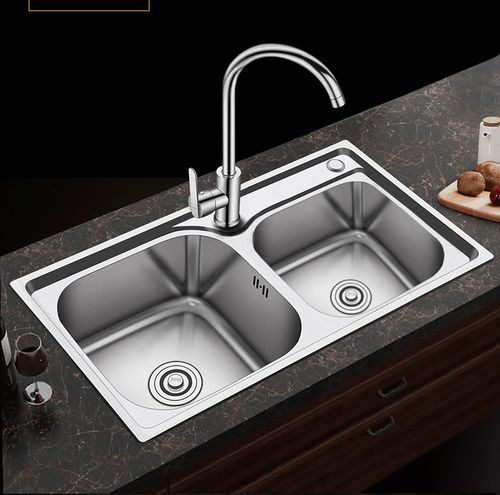
Short Description: The Side-By-Side That Focuses On How These Choices Affect Everyday Life
Short Description: Gauge And Weight Change How The Sink Sounds And Responds To Use
Thicker metal feels solid when you tap it and stands up to heavy pans. If you love the tactile reassurance that comes from heft, handmade often wins. But some premium pressed sinks also use thicker steel and good undercoating — ask to feel an edge sample in person.
Short Description: Statement Piece Versus Seamless Background
Handmade invites attention — it wants to be noticed. Pressed is the unobtrusive partner: it plays well with minimalist counters and rental kitchens.
Short Description: Think In Years — Not Just Upfront Dollars
Rather than asking “Is it worth it?” ask “How long will I keep it?” A bespoke handmade sink becomes more valuable the longer you live with it. For short-term projects, pressed is usually the smarter financial move.
Short Description: Scratch And Dent Resistance Versus Ease Of Cleaning
Stainless is easy to clean; copper needs gentler care and will develop patina. Handmade sinks are often easier to repair; pressed sinks are easier to replace.
Short Description: Built-To-Order Versus Off-The-Shelf
If your kitchen is one-of-a-kind, handmade lets the sink be built around your life. Pressed sinks expect you to fit around them.
Short Description: How The Sink Choice Affects Labor, Time, And Hidden Costs
Practical Tip: Always get two installation quotes — one for the sink you love and one for a standard pressed alternative. Compare total installed cost.
Short Description: Production Footprint, Repairability, And The Waste You Actually Create
Short Description: How To Tell What A Sink Will Feel Like In Real Life
If it sounds hollow and the edge is sharp, it’s probably thinner pressed metal. If it sings quietly and feels dense, you’re likely holding thicker material or a handcrafted piece.
Short Description: One-Page Filter To Pick The Right Sink For Your Life
Short Description: Practical Lines That Get The Real Specs Fast
These questions separate promise from marketing fluff.
Short Description: How To Turn Price Into A Practical Lifetime Metric
Instead of just looking at sticker price, divide the total installed cost by the years you expect to keep the sink. A higher upfront cost can be justified if the per-year cost is lower over, say, 20 years. This is a quiet way to see value beyond sticker shock.
Short Description: The Honest Bottom Line — No One-Size-Fits-All, But A Clear Way To Decide
There’s no universally “perfect” sink. Handmade is for the person who values craft, longevity, and personality. Pressed is for the person who values predictability, economy, and speed. The smartest choice asks one question first: “How long will this sink be part of my life?” Answer that, and the rest becomes practical.
Short Description: Fast Answers To The Things People Always Want To Know
Q — Are Handmade Sinks Worth The Extra Cost?
If you plan to keep your kitchen for many years and want a piece with character and reparability, usually yes. If you plan to sell soon, probably not.
Q — Will A Pressed Sink Dent Easily?
Some will, especially at thin gauges. Look for thicker gauges and sound-deadening undercoating if dents and noise worry you.
Q — How Do I Keep Copper Looking Good?
Decide whether you want a living patina or a polished finish. Polished copper requires regular gentle cleaning; patina is low-maintenance but changes the look.
Q — Can A Handmade Sink Be Repaired Locally?
Often yes. Find out if the maker offers touch-ups or if a trusted metalworker nearby can do repairs.
Q — What Should I Include In The Installed Price?
Sink cost, brackets/reinforcement (if needed), any counter cut or adjustment, and labor for a full undermount or drop-in install.