Redefine your kitchen experience
Our handmade sinks are created by experienced craftsmen, and each piece is a unique work of art.

A deep kitchen sink sounds simple — just go deeper, right?
Not exactly.
The right sink should feel effortless when you’re rinsing vegetables, scrubbing a roasting pan, or stacking dishes after dinner. The wrong one can leave you bending awkwardly, dealing with splashes on your cabinets, or constantly wiping away water spots.
Choosing the best deep kitchen sink isn’t about trends. It’s about understanding how you actually use your kitchen — and selecting a sink that quietly supports that routine every single day.
Undermount Sinks create a smooth, seamless transition from countertop to basin. Crumbs wipe straight in. The look is clean, modern, and high-end.
But here’s what most guides don’t mention: undermount sinks depend heavily on proper structural support. With deep bowls, weight increases — especially when filled with water and cookware. Installation quality matters more than aesthetics.
Top Mount Sinks, on the other hand, are practical and forgiving. The rim distributes weight across the countertop, making them structurally safer for laminate or thinner surfaces.
If you’re renovating long-term and using stone counters, undermount makes sense. If flexibility and easier replacement matter more, top mount is often smarter.
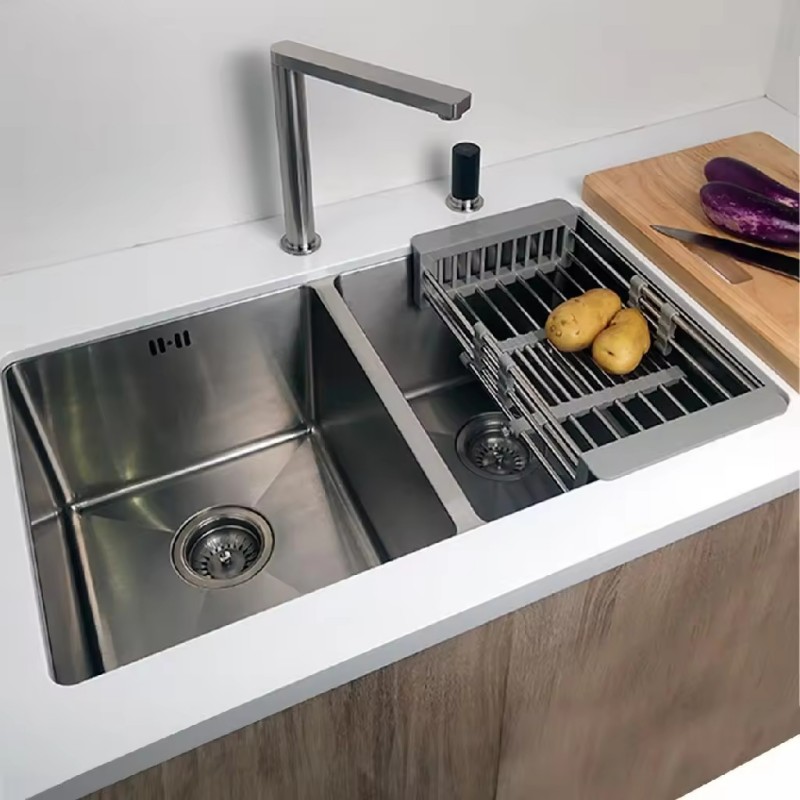
This choice is less about preference — more about workflow.
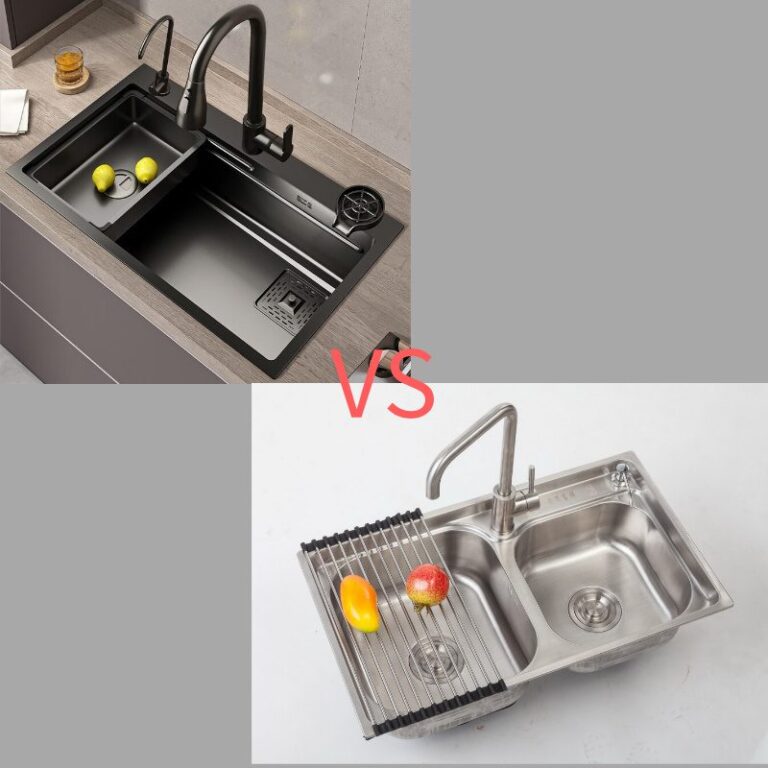
Single Bowl Sinks give you uninterrupted space. Large pots fit flat. Baking sheets don’t tilt awkwardly. If you cook often and wash big cookware, this layout feels liberating.
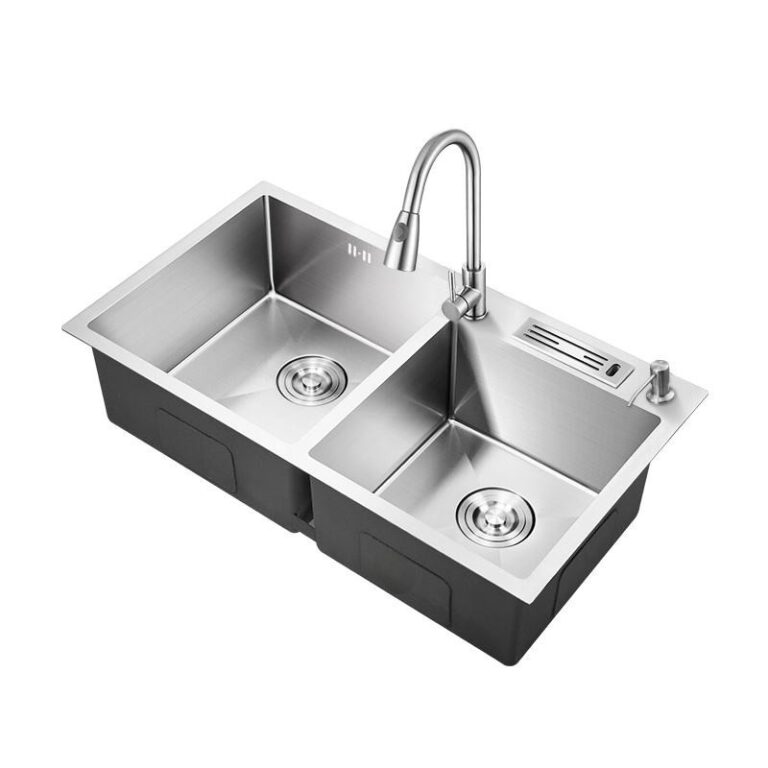
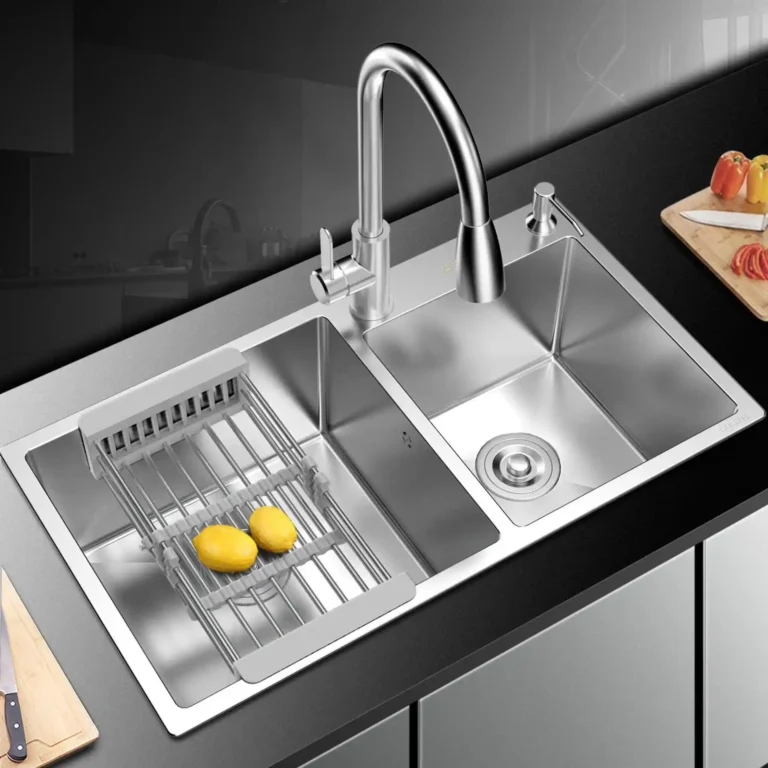
Double Bowl Sinks are about separation. Clean and dirty. Wash and rinse. Food prep and dishwashing.
But depth changes this equation. A deep single bowl can feel cavernous and efficient. A deep double bowl may reduce usable width in each side.
Ask yourself:
Do I need separation — or space?
Material isn’t just visual. It changes sound, weight, maintenance, and even how water behaves inside the sink.
Stainless Steel
Lightweight, durable, practical. But gauge thickness is critical. Thinner steel vibrates more and dents easier. Thicker steel reduces noise and feels solid.
Granite Composite
Heavier, quieter, more scratch-resistant. It hides water spots better — especially helpful in hard water areas. It also absorbs sound naturally.
Fireclay
Dense, elegant, and extremely durable. Ideal for farmhouse aesthetics. However, its weight requires reinforced cabinetry.
Cast Iron
Classic and heavy. Beautiful enamel finish, but chips can occur if heavy items are dropped.
The deeper the sink, the more material performance matters — because impact, weight, and water pressure increase.
Modern deep sinks are evolving beyond “just a basin.”
Look for:
Built-in workstation ledges
Rear-offset drains (for better storage below)
Integrated soundproofing pads
Gently sloped bottoms for better drainage
One overlooked feature: drain placement affects posture. A rear-set drain reduces the chance of stacking dishes directly over the outlet, improving drainage efficiency.
Most deep sinks range from 8 to 12 inches.
But here’s the ergonomic truth:
Too deep can strain your lower back over time.
If your countertop is standard height and you’re under average height, an ultra-deep sink may cause daily discomfort. Comfort matters more than maximum depth.
Also check:
Cabinet base width
Interior bowl dimensions
Front-to-back clearance
Faucet reach
A sink should fit your cabinet — and your body.
Think beyond washing dishes.
Do you thaw frozen food in the sink?
Do you soak pans overnight?
Do you use a garbage disposal?
Do you stack dishes high before loading the dishwasher?
Depth increases capacity — but also increases reach distance. The best sink balances volume with comfort.
Deeper sinks reduce splashback — but they can highlight water spots, especially stainless steel in hard water regions.
Composite materials hide stains better.
Polished finishes show fingerprints more easily.
Matte finishes feel modern but may require specific cleaners.
Long-term durability depends more on material thickness and coating quality than on brand name.
Budget isn’t just about the price tag.
Factor in:
Installation complexity
Countertop compatibility
Cabinet reinforcement
Faucet upgrades
Accessories
Sometimes the “cheapest” sink becomes expensive when installation and repairs are included. Smart budgeting means evaluating total ownership cost.
A deep sink holds more water — which means more weight.
Ensure:
Cabinet support is secure
Mounting brackets are properly installed
Sealing is thorough to prevent leaks
Drain alignment is correct
For undermount sinks especially, professional installation protects your countertop investment.
Simple habits extend lifespan:
Rinse after heavy use
Dry surfaces to prevent mineral buildup
Avoid steel wool or harsh abrasives
Clean drains weekly
Deep sinks collect less splash — but they still require routine care.
Slow Drainage Often Results From Grease Or Food Debris.
Excessive Noise Usually Indicates Thin Material Or Lack Of Insulation.
Surface Scratches Often Come From Abrasive Cleaning Tools.
Most problems stem from material choice or installation quality — not depth itself.
For most households, 9–10 inches deep provides strong capacity without excessive bending. Always confirm cabinet compatibility before purchasing.
Use a drain strainer, avoid grease disposal, flush regularly with hot water, and clean the trap periodically.
Noise depends more on material thickness and insulation than depth. Thicker steel and composite materials significantly reduce sound.
The best deep kitchen sink is not the deepest one available. It’s the one that matches your cooking habits, physical comfort, cabinet structure, and maintenance expectations.
When chosen thoughtfully, a deep sink improves workflow, reduces mess, and elevates both the function and feel of your kitchen.