Redefine your kitchen experience
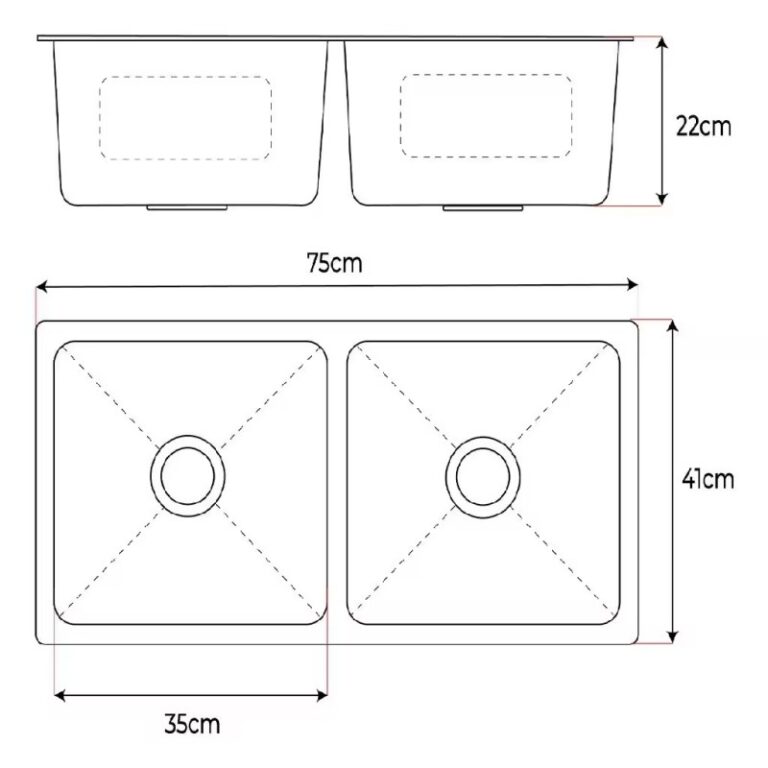
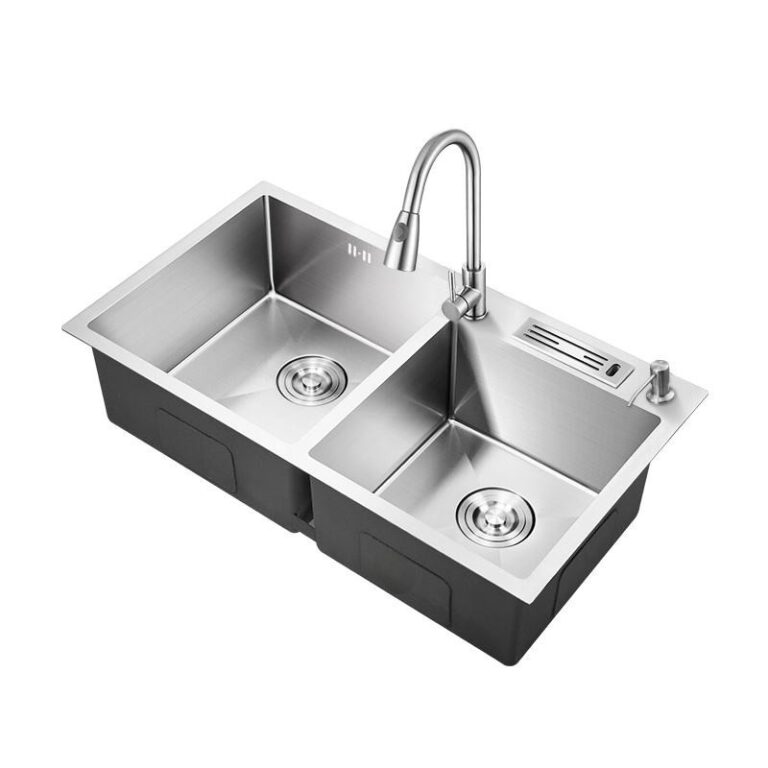
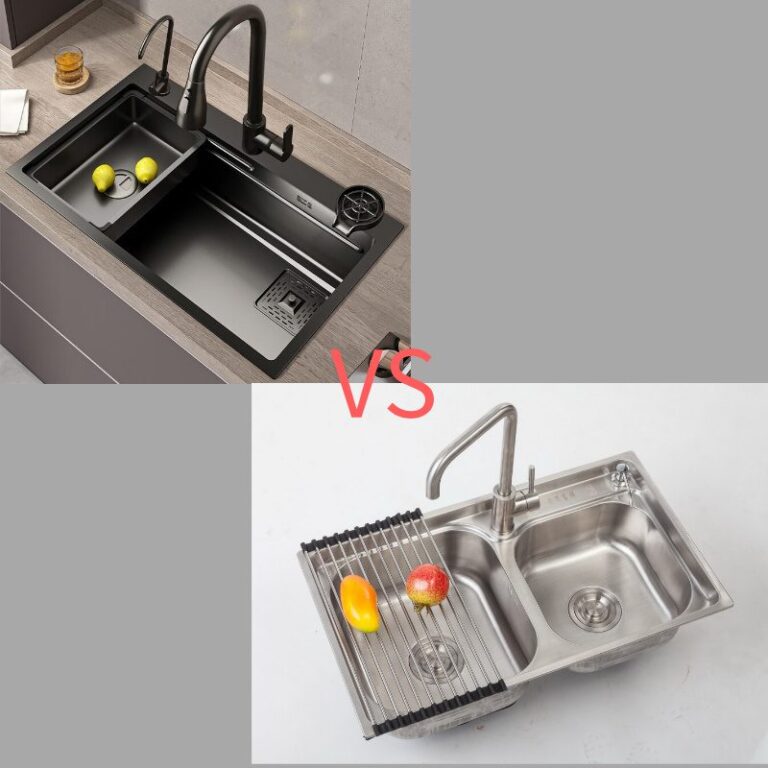
Our handmade sinks are created by experienced craftsmen, and each piece is a unique work of art.

Why this matters more than a pretty photo
Small choices = daily consequences. Choosing a sink is one of those design decisions that looks simple on a Pinterest board but quietly shapes your daily life. It changes how you wash a roasting pan, whether crumbs vanish into the drain when you wipe the counter, and how the front of your cabinets wear over time. This piece won’t sell you buzzwords — it’ll give you the human, bruise-tested differences between apron (farmhouse) sinks and every other sink that doesn’t show its face. If you’re new to sink types, browsing the full range on the kitchen sink collection helps put these differences into context.
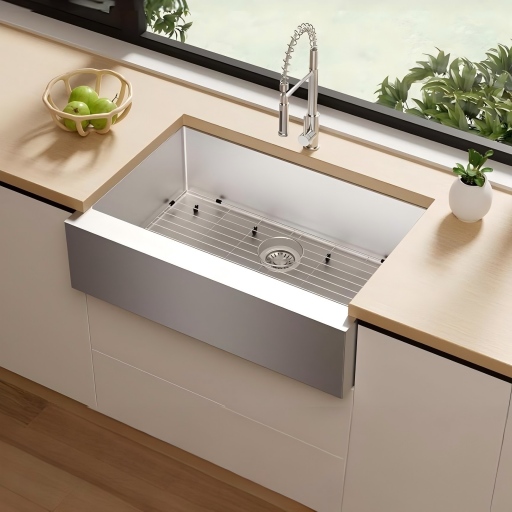
What it looks like in a room The visible front is the signature. An apron sink—often called a farmhouse sink—has a front panel that’s exposed and usually projects slightly beyond the cabinet face. That front edge becomes part of the kitchen’s personality, not just a finish. You’ll see this design clearly in modern apron sink styles that blend farmhouse character with contemporary lines.
How it performs when you cook Deep bowls, fewer compromises. Apron sinks are usually wide and deep. That extra room means you can stand a full baking sheet on its side, wrestle with a roasting pan, or stack oversized pots without feeling like you’re playing tetris.
Why people emotionally attach to them They feel like history and care. There’s a tactile pleasure in leaning into an apron sink: it reads as handcrafted, even when it’s factory-made. For many, the apron sink becomes a little ritual — the place where messy work looks intentional instead of sloppy.
All the other sensible sink types Undermounts, drop-ins, and integrated models. “Non-apron” is a catch-all: undermount sinks (hidden beneath the counter), drop-in or top-mount sinks (with a visible rim), and integrated sinks that are poured from the same material as the countertop. Among these, the undermount sink is especially popular for modern kitchens.
How they shape the countertop aesthetic They let the counter talk. Because non-apron sinks tend to sit flush or beneath the surface, the countertop becomes the visual star. If you’re proud of your slab or backsplash, a non-apron setup keeps the look clean and continuous.
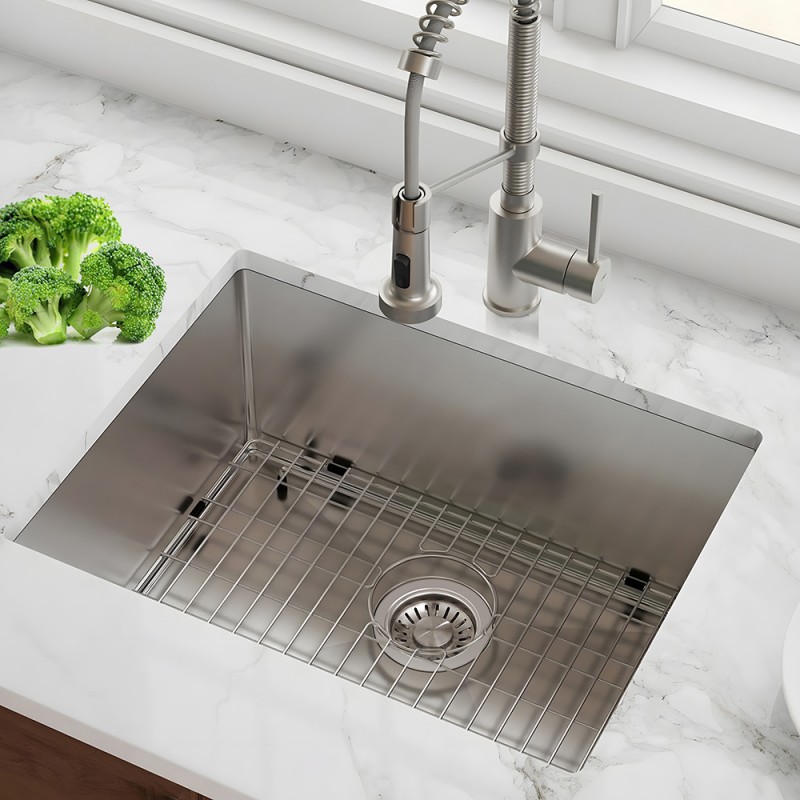
Bold focal point vs. quiet backdrop Apron is a centerpiece; non-apron is supportive. An apron sink wants attention; a non-apron sink politely fades so your counters or hardware can take center stage. Neither is better — they simply signal different design intentions.
Matching the architecture of the home Context matters. In a farmhouse or a period home, an apron sink feels right. In a glass-and-steel loft, an apron sink can be a deliberate contrast, but sometimes it reads as a misfit. Non-apron sinks are generally easier to marry with different architectural languages, which is why many homeowners default to designs featured on the JSD Sinks homepage.
Cabinet and carpentry realities Apron sinks often need custom work. Because the sink extends beyond the cabinet face, many installs require modified or rebuilt cabinet fronts. That adds carpentry time and cost.
Countertop compatibility and support Undermounts want solid love from the countertop. If you choose an undermount (non-apron), your countertop usually needs to be stone or solid surface so the sink can be secured underneath. Drop-in sinks, such as a classic topmount sink, are the least intrusive and work with laminate.
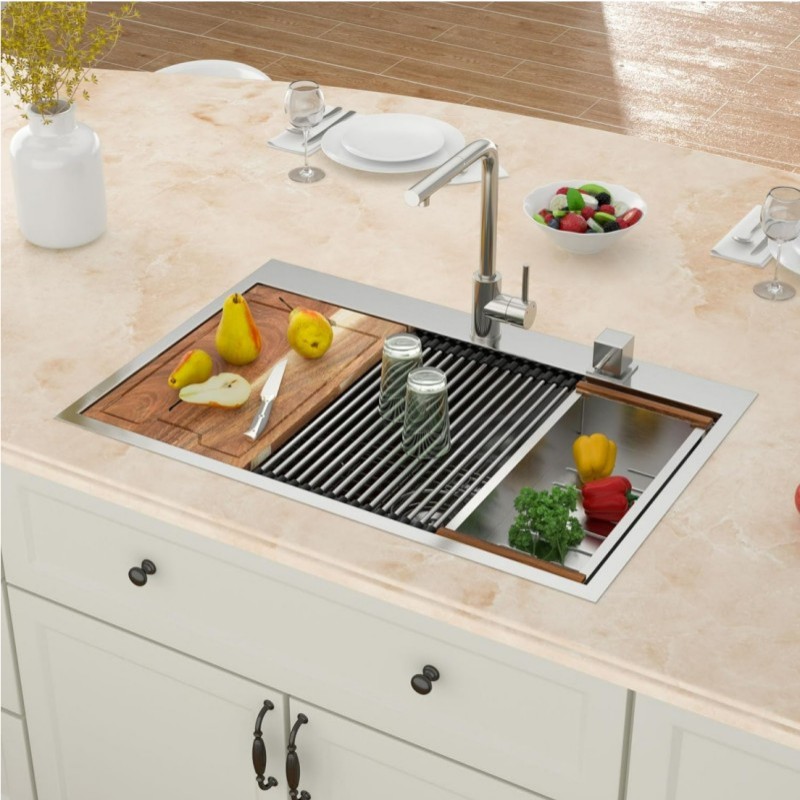
Room for the big stuff Apron sinks make awkward things feel possible. If you roast, bake, or prep a lot, the extra volume of an apron sink adds a practical ease to kitchen life. You’ll stop juggling giant items around the faucet.
Cleanability and crumbs Non-apron undermounts make sweeping easy. Wiping crumbs straight into the sink is satisfying and surprisingly time-saving. Apron sinks have an exposed seam area you’ll have to mind, but the deep bowl means fewer floor splashes.
Finish choices matter more than shape Stainless, fireclay, cast iron, copper, composite — pick with life in mind. A farmhouse fireclay sink looks beautiful but can chip; cast iron is durable but heavy; copper warms and patinas; stainless is pragmatic and easy to sanitize. Many modern kitchens pair these materials with functional sink accessories to extend usability.
Sound and heft Some sinks thud; some sing. Thick, heavy sinks (cast iron, fireclay) feel quieter and solid. Thin stainless can ring, but modern sound-damping pads tame that. Weight can also affect the cabinet: heavy sinks may require reinforcement.
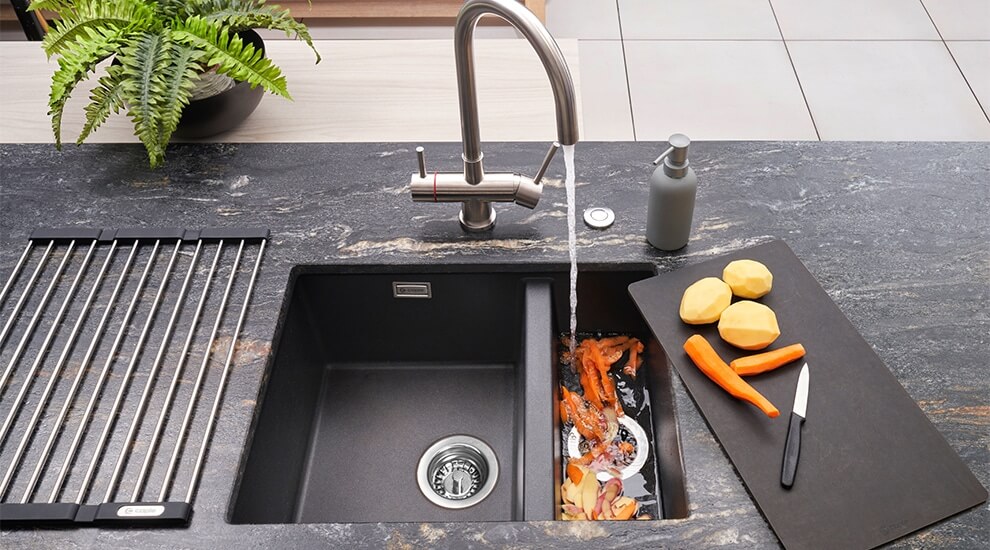
How your body will thank you (or not) Depth and rim position change how you stand. A very deep apron sink can be a joy for pot-washing but a strain on the lower back if you sink-lean for hours. If accessibility is a concern for household members or future buyers, counter height and sink profile are as important as style.
A note on wheelchair-friendly layouts Non-apron solutions can be easier to adapt. If you need knee space or lower counters, undermount or integrated sinks generally offer more flexibility for customized, accessible setups.
Upfront and hidden dollars Apron = possible premium. The sink itself can be pricier, and cabinetry modifications plus extra labor stack up. Non-apron undermounts can also be costly (especially with stone counters), but they’re often less invasive to install.
Resale nuance Match the house, not the trend. Buyers love cohesion. An apron sink in a farmhouse-style home can add charm and perceived value; in a minimalist condo it can be polarizing. If you plan to sell soon, err toward neutral choices that appeal broadly.
Measure and simulate Don’t buy from photos. Measure the largest pan or tray you use. Tape out the cabinet on the floor and mock up the apron projection with cardboard.
Decide by friction points Pick according to what annoys you now. Hate crumbs? Go undermount. Wash big trays weekly? Consider apron. Want low fuss? Choose stainless or composite you won’t have to polish.
Budget for the whole job Sink price is the teaser; installation costs are the plot twist. Add 15–30% for cabinetry and countertop work when considering an apron swap.
Choosing for the photo, not the life Scale is deceptive in images. Don’t assume what looks good in a room shot will fit your habits.
Underquoting installation complexity Ask the carpenter. If your cabinet faces must be changed, get an estimate before buying the sink.
Ignoring material maintenance Copper ages; fireclay chips; stainless shows water spots. Choose how you want the sink to look in five years, not just on day one.
Function first, design second, material third. Choose something that solves the little daily annoyances. Apron sinks give space and presence; non-apron sinks give cleanliness, minimalism, and easier countertop continuity. Both can be beautiful. The right pick is the one that fits your body, your pots, and the way you actually live in the kitchen — not the one that photographs best.