Redefine your kitchen experience
Our handmade sinks are created by experienced craftsmen, and each piece is a unique work of art.

Short Description: A down-to-earth look at whether apron (farmhouse) sinks still make sense today — and how to tell if one truly fits your kitchen.
Apron-front sinks have had a long run. For a while, it felt like every renovation — from suburban remodels to city lofts — featured that deep, forward-facing sink front and center. If you’re planning a kitchen now, it’s normal to pause and wonder: Have we missed the moment?
The truth is, apron sinks aren’t just a style choice. They change how a kitchen works, how it feels to use, and how the space reads emotionally. That’s why the answer isn’t a simple yes or no — and why so many people still choose them even as trends evolve.
Apron sinks aren’t “out,” but they’re no longer a default design move. They’ve shifted from trendy statement to intentional choice. In the right kitchen, they feel grounded and timeless. In the wrong one, they can feel forced or dated.
Part of the appeal is practical. A deep, wide basin really does make life easier if you cook a lot, wash large pans, or hate water splashing onto the counter. That usefulness hasn’t changed.
But there’s also something emotional going on. An apron sink is visible. It signals warmth, a bit of generosity, and a kitchen meant to be used — not just photographed. For many homeowners, that feeling matters as much as style.
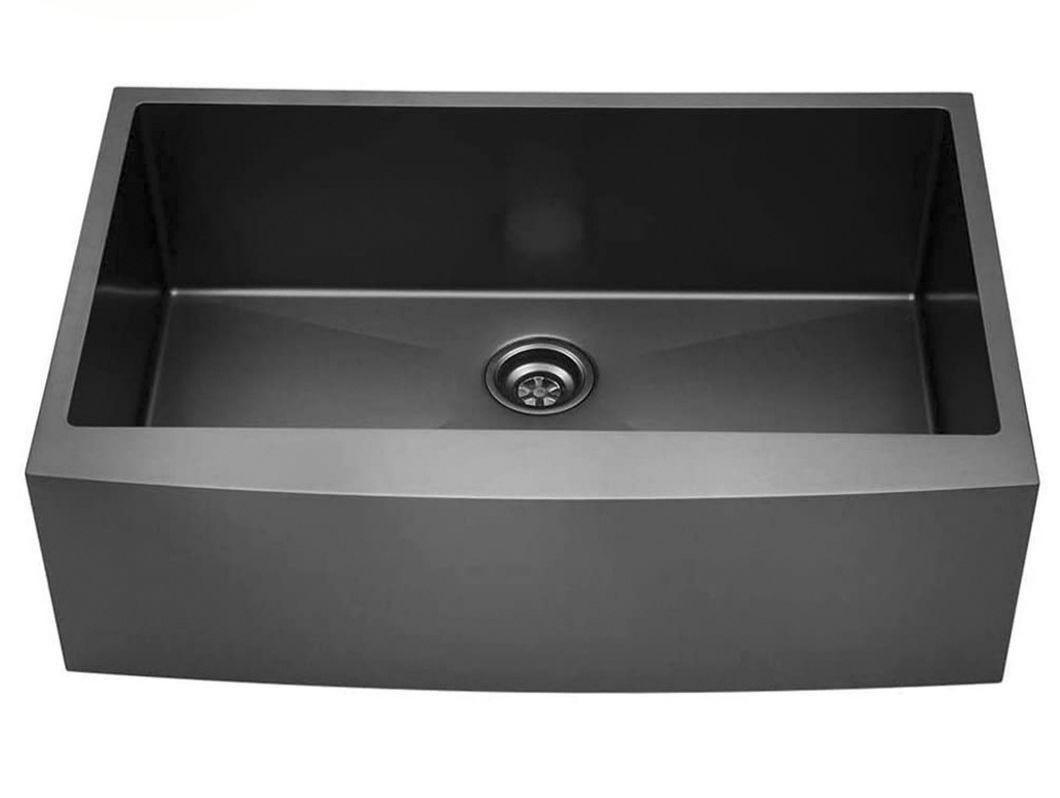
What’s also changed is the range of options. Years ago, “apron sink” mostly meant glossy white fireclay. Now you’ll see stainless steel versions that feel almost industrial, matte composite finishes that disappear visually, and even slim profiles that don’t dominate the room.
Problems usually come from mismatch, not the sink itself.
A heavy, decorative fireclay apron can look awkward in a very sharp, modern kitchen where everything else is flat, minimal, and cool-toned. The sink ends up shouting while the rest of the room whispers.
Scale matters too. In smaller kitchens, a large apron sink can overwhelm the cabinetry if proportions aren’t carefully handled. What felt charming in a wide farmhouse kitchen can feel bulky in a narrow urban layout.
Designers often say this quietly, but it’s true: apron sinks need support from the rest of the room. Without that support, they feel like leftovers from another era.
Many homeowners who still want the function are dialing back the visual drama.
Stainless steel apron sinks are a good example. They keep the deep basin but feel cleaner and lighter. Flat-front designs without decorative edges also help — they read less “farmhouse” and more intentional.
Another shift is how people use the sink. Integrated accessories — cutting boards, drying racks, drain grids — turn the sink into a working zone rather than a decorative feature. When a sink clearly earns its place, it tends to age better.
Instead of asking whether apron sinks are “in” or “out,” ask a few quieter questions:
Do you cook often enough to benefit from the depth?
Does your kitchen already lean warm, transitional, or textured — or is it very sleek and minimal?
Are you comfortable modifying cabinetry or paying a bit more for installation?
If the answers line up, an apron sink will probably feel right long after trends shift again.
Apron sinks usually require more planning than drop-in or undermount sinks. Cabinet fronts may need modification. Heavier materials need reinforcement. Faucet reach becomes more important because the sink sits forward.
None of this is a dealbreaker — but it’s why some homeowners love their apron sink and others regret not thinking it through earlier.
In a transitional kitchen, a simple white fireclay apron paired with muted hardware and shaker cabinets still works beautifully.
In a modern space, a thin stainless apron can feel almost invisible while keeping the benefits.
In an eclectic or older home, copper or fluted ceramic can feel authentic rather than trendy — especially when surrounded by natural materials.
Apron sinks didn’t fall out of fashion — they grew up.
They’re no longer about chasing a look. They’re about choosing a sink that fits how you cook, how your kitchen is built, and how you want the space to feel day after day. When those things align, an apron sink doesn’t look dated. It looks deliberate.
Are apron sinks bad for resale?
Not automatically. They can even be a plus when they suit the home. Problems arise when the sink feels disconnected from the rest of the design.
What’s the easiest apron sink to live with?
Stainless steel and some composite models tend to be the most forgiving when it comes to scratches, stains, and daily wear.
Can apron sinks work in small kitchens?
They can, but scale is critical. Slim profiles and shallower basins usually work better than oversized statement pieces.
Are they more expensive to install?
Often, yes — mainly because of cabinet work and reinforcement. Choosing lighter materials can reduce that cost.