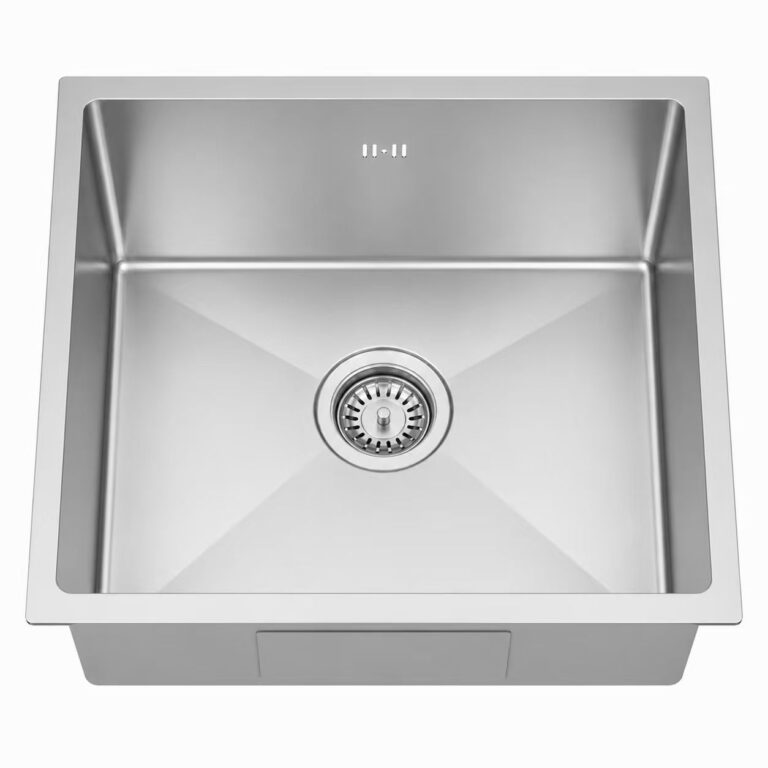
أعد تعريف تجربة مطبخك من جديد
صُنعت أحواضنا المصنوعة يدوياً على أيدي حرفيين متمرسين، وكل قطعة هي عمل فني فريد من نوعه.


قد يظل حوض مطبخ مصنوع من الفولاذ المقاوم للصدأ بشكل رائع عالقًا في المستودع لأسابيع — ليس بسبب مشاكل في الجودة، بل بسبب عدم وجود شهادة اعتماد. لقد رأيت حاويات عالقة في روتردام لمدة ثلاثة أسابيع لأن المشتري لم يطلب وثائق شهادة CE إلا بعد فوات الأوان. وقد شاهدت شحنة متجهة إلى نيويورك يتم إيقافها بسبب وجود خطأ مطبعي في رقم الطراز بشهادة cUPC — حيث كان هناك حرف واحد خاطئ. وقد تحدثتُ إلى أصحاب مصانع في قوانغدونغ كانوا يعتقدون حقًّا أن مجرد لصق ملصق «CE» على الصندوق يُعتبر بمثابة شهادة اعتماد.
الحقيقة المزعجة هي التالية: إن حوض المطبخ يوجد في مجال التجارة ثلاثة جهات رقابية متميزة — UPC في الولايات المتحدة، وWRAS في المملكة المتحدة، وعلامة CE في الاتحاد الأوروبي. تعمل كل جهة من هذه الجهات في إطار قانوني مختلف، وتجري اختبارات تهدف إلى أمور مختلفة، ويمكنها أن توقف شحنتك تمامًا إذا تعاملت معها على أنها أمر ثانوي.
يشرح هذا المقال بالتفصيل متطلبات كل شهادة على حدة، وكيفية اختبارها، وكيف تسير العملية بدءًا من تقديم الطلب وحتى الموافقة عليه. إذا كنت تبحث عن موردين لأحواض المطبخ للسوق الأمريكية أو الأوروبية، فهذه هي الخريطة التي تحتاجها قبل تقديم أول طلب إنتاج لك.
UPC هي اختصار لـ «القانون الموحد للسباكة» (Uniform Plumbing Code)، وتديره «الرابطة الدولية لمسؤولي السباكة والميكانيكا» (IAPMO). وإليك أهم ما يجب معرفته: شهادة UPC ليست شرطًا اتحاديًّا في الولايات المتحدة. بل يتم تطبيقها على مستوى الولايات والبلديات من خلال قوانين السباكة.
تتبنى معظم الولايات إما معيار UPC أو قانون السباكة الدولي (IPC). وفي الولايات التي تتبنى معيار UPC — والتي تغطي تقريبًا النصف الغربي من الولايات المتحدة — لن يوافق مفتشو البناء على تركيب حوض دون رؤية علامة التسجيل الخاصة بمعيار UPC. يمكنك بيع مليون وحدة على موقع أمازون، ولكن إذا لم يكن حوضك حاصلاً على شهادة UPC، فلن يجتاز الفحص في تلك الأسواق.
أما النسخة الكندية، cUPC، فتوسع نطاق هذه الشهادة لتشمل معايير السباكة الكندية. ويمكن بيع أي منتج حاصل على شهادة cUPC بشكل قانوني في كلا البلدين.
بالنسبة لأحواض المطبخ المصنوعة من الفولاذ المقاوم للصدأ، فإن معيار الاختبار الرئيسي هو ASME A112.19.3-2022 / CSA B45.4، الذي يشمل تجهيزات السباكة المصنوعة من الفولاذ المقاوم للصدأ. ويشمل نطاق الاختبار ما يلي:
الأداء الميكانيكي. يجب أن يتحمل الحوض الحمل الثابت، وأن يتمتع بمقاومة الصدمات، وأن يحافظ على سلامته الهيكلية في ظل ظروف الاستخدام العادية. ويجب أن يستوفي مخرج التصريف متطلبات القطر الأدنى — 1½ بوصة لأحواض المطابخ السكنية و2 بوصة للتطبيقات التجارية.
سلامة المواد. هذا هو الجانب الذي تقصر فيه العديد من المصانع. ينص القانون الفيدرالي على ألا يتجاوز المتوسط المرجح لمحتوى الرصاص في الأسطح المبللة 0.25%. منذ سبتمبر 2023، تشترط وكالة حماية البيئة (EPA) الحصول على شهادة امتثال استباقية بدلاً من الإقرار الذاتي. بالإضافة إلى ذلك، إذا كان الحوض أو مجموعة الصرف الخاصة به على اتصال بمياه الشرب، فإن شهادتي NSF/ANSI 61 و372 المتعلقتين بتسرب الرصاص والمعادن الثقيلة تصبحان ذات صلة.
متانة السطح. تحاكي اختبارات مقاومة التآكل التعرض للأحماض والقلويات والمواد المسببة للبقع التي توجد عادةً في المطابخ. ويجب أن يتحمل السطح الخدوش والتآكل دون الإضرار بالمادة الأساسية.
تتبع هذه العملية مسارًا منظمًا مكونًا من خمس خطوات:
الخطوة 1: تقديم الطلب. قم بتقديم وثائق المنتج إلى IAPMO أو إلى مختبر معتمد، بما في ذلك اسم المنتج ورقم الطراز والرسومات الفنية وقوائم المواد والمعيار ASME المعمول به.
الخطوة 2: تحضير العينات. يجب توفير عينات تمثل المنتج الفعلي. بالنسبة للأحواض المصنوعة من الفولاذ المقاوم للصدأ، يتطلب الأمر عادةً 2–3 وحدات، اعتمادًا على نطاق الاختبار.
الخطوة 3: الاختبارات المعملية. تستغرق الاختبارات من 2 إلى 6 أسابيع حسب درجة تعقيدها. إذا لم يجتاز المنتج الاختبار، يصدر المختبر إشعارًا تصحيحيًّا، ويجب على الشركة المصنعة تعديل التصميم أو المواد قبل إعادة الاختبار.
الخطوة 4: تدقيق المصنع. وهنا تتجاوز UPC مجرد اختبار المنتجات. حيث تُرسل IAPMO مدققين لتفقد منشأة التصنيع — بما في ذلك أنظمة إدارة الجودة، واتساق الإنتاج، وإمكانية تتبع المواد، ومعدات الفحص. ويضمن هذا التدقيق مطابقة الوحدات المنتجة بكميات كبيرة للعينة التي خضعت للاختبار.
الخطوة 5: الاعتماد والمراقبة. بعد الموافقة، تصدر IAPMO شهادة UPC وتصرح باستخدام علامة UPC. وتُحافظ عمليات التفتيش السنوية للمصانع وأخذ العينات من السوق على صلاحية الشهادة.
الجدول الزمني: 4–8 أسابيع للمنتجات القياسية، وقد يستغرق الأمر وقتًا أطول في حالة الحاجة إلى إعادة الاختبار.
يُعد نظام WRAS — نظام اعتماد لوائح المياه — الجهة الرقابية في المملكة المتحدة المسؤولة عن أي منتج يتلامس مع مياه الشرب. وبموجب لوائح إمدادات المياه (تجهيزات المياه) لعام 1999، يجب أن تتوافق أي تجهيزات متصلة بشبكة إمدادات المياه العامة مع متطلبات نظام WRAS.
بالنسبة لأحواض المطبخ، فإن المكون ذي الصلة هو عادةً مجموعة الصرف وأي تجهيزات تصريف مدمجة. إذا كان نظام تصريف الحوض الخاص بك يتلامس مع مياه الشرب، فإن الحصول على اعتماد WRAS يصبح إلزاميًا للتوزيع في المملكة المتحدة. ولن تسمح جميع هيئات المياه في المملكة المتحدة إلا بتركيب تجهيزات معتمدة من WRAS أو بدائل معتمدة مكافئة مثل KIWA Watertec.
تستند موافقة WRAS إلى مبدأ «المواد أولاً، والمنتجات ثانيًا». ولا يمكن إجراء أي اختبارات ميكانيكية حتى تجتاز جميع المواد غير المعدنية التي تتلامس مع الماء اختبارات المعيار BS 6920.
يقيّم اختبار المواد وفقًا لمعيار BS 6920 خمسة معايير رئيسية: رائحة المياه وطعمها، ومظهر المياه، ونمو الكائنات الحية الدقيقة، وتسرب المعادن السامة، والسمية الخلوية. وقد يستغرق اختبار نمو الكائنات الحية الدقيقة وحده ما يصل إلى 9 أسابيع، لأنه يتطلب مراقبة سلوك البكتيريا في ظروف خاضعة للرقابة على مدى فترة طويلة.
ويلي ذلك إجراء اختبارات الأداء الميكانيكي، التي تُجرى وفقًا لأوراق قواعد الاختبار (TCS) الصادرة عن WRAS. وتهدف هذه الاختبارات إلى التحقق من مقاومة الضغط، وسلامة الإحكام، ومنع التسرب، وقوة الضغط، واستقرار التدفق. والهدف من ذلك هو ضمان ألا تتعطل الوصلة أو تتسرب أو تسمح بتلوث ناتج عن التدفق العكسي في الظروف الفعلية.
تتضمن عملية التقديم ملء استمارة مفصلة (F2 الخاصة بالتجهيزات)، وتقديم الوثائق المطلوبة، وتزويد مختبر اختبار معتمد من WRAS بعينات. وبعد إجراء الاختبارات، تُرسل النتائج إلى WRAS لإجراء تقييم مستقل. وعند الموافقة، يتلقى مقدم الطلب شهادة تحمل رقم تسجيل فريد.
وفيما يلي الحقائق المتعلقة بالجدول الزمني: تستغرق عملية الحصول على شهادة WRAS من شهرين إلى ثلاثة أشهر بالنسبة للمنتجات النهائية، ومن ستة أشهر إلى ثمانية أشهر بالنسبة لشهادات المواد. وتبلغ مدة صلاحية الشهادة خمس سنوات، ويجب تجديدها.
لا تسعى العديد من المصانع الصينية إلى الحصول على شهادة WRAS لأن الجدول الزمني وحده يعطل تخطيط الإنتاج. فمدة اختبار نمو الكائنات الحية الدقيقة التي تبلغ 9 أسابيع تعني أنه يتعين عليك بدء العملية قبل ثلاثة أشهر على الأقل من انتهاء صلاحية الموافقة لتجنب حدوث ثغرات في الامتثال.
تندرج علامة CE الخاصة بأحواض المطبخ ضمن نطاق لائحة منتجات البناء (CPR)، وليست ضمن نطاق التوجيه العام الخاص بالسلع الاستهلاكية. وهذا تمييز مهم يغفل عنه العديد من المستوردين الجدد.
المعيار الأساسي هو EN 13310:2015+A1:2018 — أحواض المطبخ: المتطلبات الوظيفية وطرق الاختبار. يحدد هذا المعيار خصائص الأداء لأحواض المطبخ المنزلية، ويشمل مقاومة الحرارة الجافة، والتغيرات في درجات الحرارة، والمواد الكيميائية وعوامل التلطيخ، واستقرار السطح، واستقرار الحمولة، ومعدل تدفق الفائض، والمتانة.
إحدى المواصفات التي تعكس دقة المعيار هي: يجب ألا يقل معدل تدفق المياه عبر فتحة الفائض عن 0.20 لتر في الثانية. والسبب واضح — فإذا ترك شخص ما الصنبور مفتوحًا، يجب أن تتحمل فتحة الفائض هذا الحجم بسرعة كافية لمنع تسرب المياه إلى الأرضية.
على عكس شهادة UPC، التي تتطلب إجراء اختبارات من قبل جهة خارجية وتدقيقات في المصنع، تعتمد علامة CE على الإقرار الذاتي — ولكن مع تقديم الوثائق الإلزامية. وتشمل الملفات المطلوبة ما يلي:
يجب أن تكون علامة CE نفسها مثبتة بشكل دائم، ومقروءة، ولا يقل حجمها عن 5 ملم.
تتطلب المواصفة القياسية EN 13310 وجود «مراقبة الإنتاج في المصنع» (FPC) كجزء من تقييم المطابقة. وهذا يعني أنه يتعين على الشركة المصنعة إثبات أن عمليات الإنتاج تنتج باستمرار منتجات تتطابق مع النوع الذي خضع للاختبار. ويشمل تقييم المطابقة اختبار النوع ومراقبة الإنتاج في المصنع المستمرة.
من الأخطاء الشائعة: قبول وثائق المطابقة (CE) التي تصدرها المصانع وتستخدم رقم هيئة مُبلَّغ عنها غير مسجَّل لفئة منتجات البناء. فهذه الوثائق لا قيمة لها فعليًّا وستؤدي إلى احتجاز البضائع من قبل الجمارك عند مطابقتها مع قاعدة بيانات NANDO التابعة للاتحاد الأوروبي.
الجدول الزمني: 6–12 أسبوعًا للحصول على شهادة CE، بتكلفة تتراوح بين 2,000 و5,000 يورو لكل طراز، بالإضافة إلى رسوم الهيئة المُعتمدة.
| البعد | الولايات المتحدة (UPC/cUPC) | الاتحاد الأوروبي (علامة CE) |
|---|---|---|
| الإطار التنظيمي | قانون السباكة الموحد، إنفاذ القوانين على مستوى الولاية | لائحة منتجات البناء (CPR) |
| المعيار الأساسي | ASME A112.19.3 / CSA B45.4 | EN 13310:2015+A1:2018 |
| نموذج الاعتماد | اختبارات تُجرى من قبل جهات خارجية + تدقيق المصنع | إقرار ذاتي مصحوب بالوثائق المطلوبة |
| الحد الأقصى للمحتوى من الرصاص | 0.25% المتوسط المرجح على الأسطح المبللة | تخضع لأحكام اللائحة (الاتحاد الأوروبي) رقم 1935/2004 |
| تدقيق المصنع | يلزم إجراء الفحص السنوي من قبل منظمة IAPMO | مطلوب وجود نظام مراقبة الإنتاج في المصنع (FPC) |
| مدة صلاحية الشهادة | دورة تجديد مدتها سنة واحدة | يختلف؛ يتم الحفاظ على معدل الإطارات (DoP) بشكل مستمر |
| الجدول الزمني النموذجي | 4–8 أسابيع | 6–12 أسبوعًا |
| التكلفة المعتادة | رسوم الاختبارات المعملية + رسوم إصدار الشهادات | 2,000 يورو – 5,000 يورو لكل نموذج + رسوم الهيئة المُعتمدة |
يتألف النظام الأمريكي من عدة مستويات من المتطلبات — متطلبات الرصاص الفيدرالية، وقوانين السباكة الخاصة بالولايات، ومعايير NSF التجارية. أما نظام الاتحاد الأوروبي فيتطلب وثائق أكثر، لكنه يسمح للمصنعين بالإعلان الذاتي شريطة أن تكون لديهم تقارير الاختبار والملفات الفنية المناسبة.
تجول في أي سوق للأدوات المنزلية في قوانغدونغ أو تشجيانغ، وستجد العشرات من المصانع التي تنتج أحواضًا متطابقة في الشكل. وما يميز الشركات الرائدة عن البقية نادرًا ما يكون المنتج نفسه — بل الإجراءات الإدارية التي تقف وراءه.
تركز معظم شركات تصنيع أحواض الفولاذ المقاوم للصدأ من الفئتين الثانية والثالثة في الصين 90% من إنتاجها على الطلبات المحلية. ولا يوجد لدى حوالي 70% من هذه الشركات موظفون متخصصون في شؤون الامتثال ضمن قائمة رواتبها. فهي تفتقر إلى المعرفة التشغيلية أو الميزانية اللازمة لإعداد تقارير اختبار وفقًا للمعيار EN 13310، أو الحفاظ على شهادات الفحص النوعي الصادرة عن الاتحاد الأوروبي، أو إدارة وثائق المراقبة بعد طرح المنتج في السوق. وعندما يقولون “يمكننا الحصول على علامة CE”، فإنهم غالبًا ما يقصدون أنهم يستطيعون طباعة الشعار على العبوة.
وحتى بين المصانع التي تدعي حصولها على شهادة UPC، فإن المنتجات التي خضعت فعليًّا لاختبارات من جهات خارجية وتدقيق مصنعيّ نادرة أكثر مما يوحي به السوق. فمتطلبات التدقيق السنوي وحدها — حيث يقوم مفتشو IAPMO بزيارة خط الإنتاج، والتحقق من إمكانية تتبع المواد، والتأكد من مطابقة المنتجات المشحونة للعينات التي خضعت للاختبار — تعمل على استبعاد العمليات التي لا تستطيع الحفاظ على أنظمة جودة متسقة.
هذه الندرة ليست من قبيل الصدفة. فالحصول على شهادات UPC وWRAS وCE في آن واحد يتطلب بنية تحتية للامتثال لا تقوم معظم المصانع بإنشائها أبدًا: موظفون متخصصون، وعلاقات مع المختبرات، وأنظمة توثيق، والصبر اللازم لتحمل فترات الانتظار التي تستغرق من 6 إلى 12 شهرًا للحصول على الشهادات دون خسارة العملاء.
JSD للمطابخ والحمامات حاصلة على شهادات ISO 9001 و CE و UPC و WRAS و ADEO. وقد اجتاز المصنع تدقيق شركة Leroy Merlin وحصل على تصنيف من المستوى A بـ 90 نقطة، كما اجتاز بنجاح تفتيش المصنع الذي أجرته شركة Lowe’s. تخضع كل دفعة إنتاجية لعمليات متعددة لمراقبة الجودة، كما أن حزمة الشهادات الكاملة تبسط عملية الاستيراد للمشترين في أسواق الولايات المتحدة والمملكة المتحدة والاتحاد الأوروبي.
بالنسبة للمشترين، الحسابات واضحة وبسيطة. فالمورد الذي يفتقر إلى الشهادات يمثل مصدر خطر — تأخير الشحنات، احتجاز البضائع في الجمارك، ورفض التركيب. أما المورد الذي يمتلك شهادات معتمدة فيقضي على تلك المخاطر. في سوق قد يكلف فيه احتجاز الحاويات في روتردام 1,200 يورو بالإضافة إلى رسوم التخزين في الميناء، وقد يؤدي خطأ مطبعي واحد في رقم الطراز إلى تعطيل شحنة متجهة إلى نيويورك، فإن قيمة المصنع المتوافق مع المعايير تتجاوز بكثير سعر الوحدة المذكور في أمر الشراء.
الشهادات الثلاث — UPC وWRAS وCE — ليست عقبات بيروقراطية. إنها آليات لبناء الثقة. تُثبت شهادة UPC للمفتشين الأمريكيين أن حوضك لن يلوث مياه الشرب ولن ينهار تحت تأثير الحمل. وتُعلم شهادة WRAS سلطات المياه في المملكة المتحدة بأن التجهيزات الخاصة بك لن تؤدي إلى تدهور جودة المياه. أما علامة CE فتُعلم الهيئات التنظيمية الأوروبية بأن منتجك يفي بمعايير الأداء الموحدة.
بالنسبة للمستوردين والموزعين، لا يتعلق الأمر بما إذا كان ينبغي إعطاء الأولوية للموردين المعتمدين، بل بما إذا كان بإمكانكم تحمل تكلفة البديل. وقد أجابت المصانع التي استثمرت في الحصول على هذه الشهادات بالفعل على هذا السؤال — وهي التي تتمكن حاوياتها من تخطي الجمارك دون أي مشاكل.