Redefine your kitchen experience
Our handmade sinks are created by experienced craftsmen, and each piece is a unique work of art.

Abstract: In 2026 the sink stops being just a bowl and starts acting like the kitchen’s little control center — a prep station, a hygiene shield, a smart node, and a sustainability statement all at once. Below I tease out five concrete trends, explain what each means for buyers, and give realistic sourcing moves you can use tomorrow.
Why sinks matter now — and how to think beyond unit price.
You might shrug and call a sink a commodity. That was true five years ago. Today, a wrong material choice or a missing accessory can cost more in callbacks, replacements, and reputation than the upfront savings. Market trackers put the category at roughly US$1.4B in 2025, which simply means there’s more choice — and more confusion — in 2026. If you buy sinks for projects, read this like a checklist for avoiding surprises.
Buyers are increasingly specifying 316L where corrosion risk or food safety is critical.
Talk to facility managers near the sea and they’ll tell you horror stories about pitted sinks. 316L is not magic, but the extra molybdenum and low carbon content make it far tougher in chloride-rich environments (coastal builds, food trucks, fresh-produce stations). One mid-market hotel I spoke with swapped to 316L for chef islands and cut maintenance time by half. If your market is coastal, hospitality, or healthcare, insist on mill certificates and a weld-finish spec — that small premium almost always pays for itself in lowered warranty claims.
Sinks that combine cutting, draining, and staging are now mainstream — especially in compact homes.
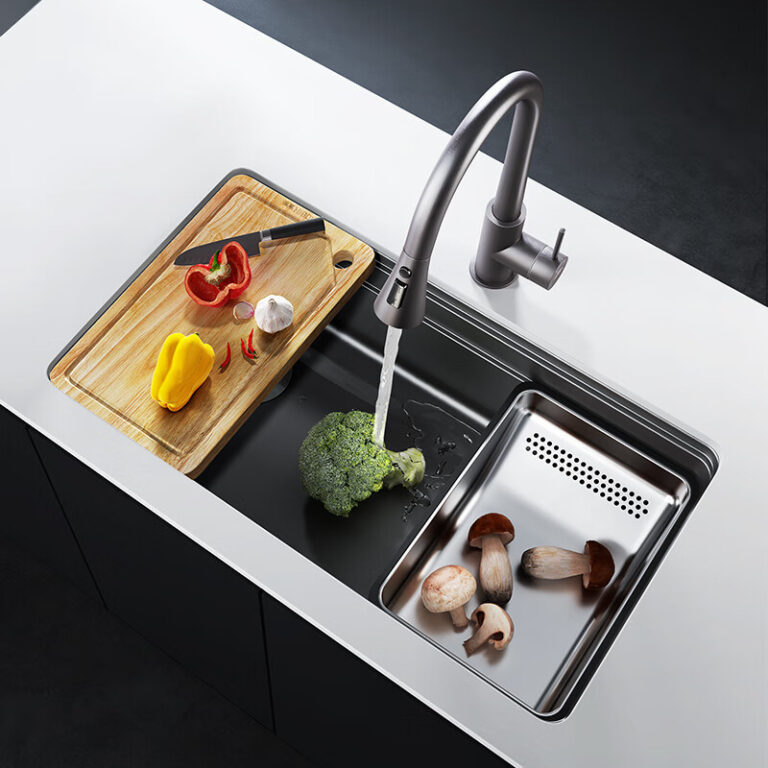
Workstation sinks let cooks stay in one place: slide the board, dump the scraps into a colander, rinse, and slide the plate into the drying ledge. It sounds trivial, but when you’ve watched a cramped renovation you see the difference in minutes saved and spills avoided. Big brands have turned these accessory ecosystems into full product lines, and that’s changing expectations for buyers and installers. Example players pushing this: Elkay and Kraus.
Finish tech now needs to survive elbows, scrubbing, and household cleaners — not just look good.
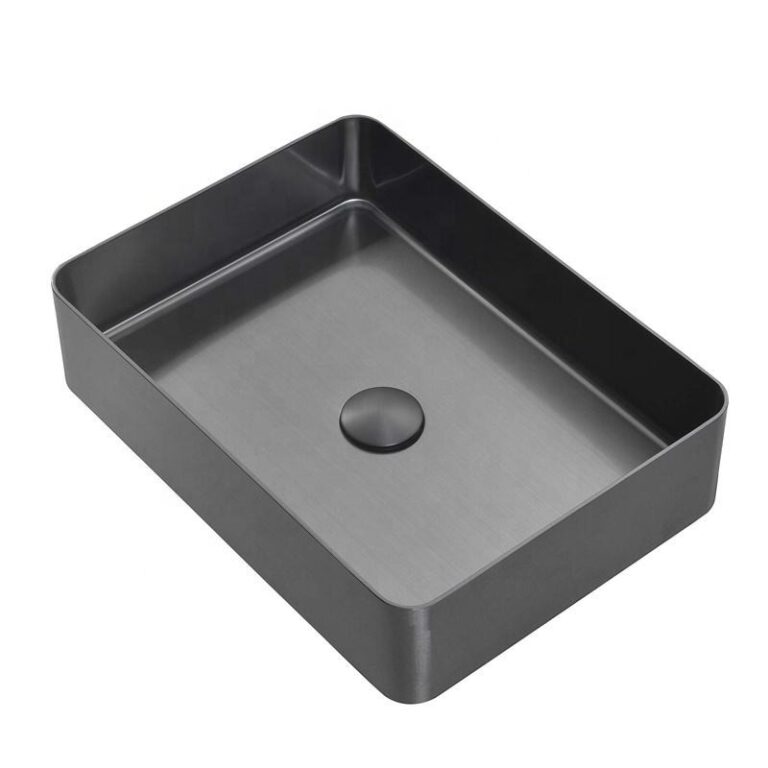
We used to buy a “brushed finish” and accept scratches as the price of ownership. Not anymore. PVD finishes give you blacks, bronzes, and warm tones that aren’t painted on; properly applied, they hold up far better. Add hydrophobic nano-topcoats and you cut the time spent wiping away water rings and oil. If you sell to homeowners who value style, ask for TABER abrasion and neutral salt-spray test results before you sign.
Sensors and simple integrations reduce touchpoints and water-damage risk — and buyers will pay for reliability.
“Smart” here isn’t a full-blown operating system — it’s sensors you don’t notice until they save you from a mess. Contactless faucets reduce cross-contamination. Leak detectors and automated shutoffs prevent a single blocked drain from becoming a flood claim. For builders and property managers, those features translate into fewer after-hours service calls. Market trackers report sharp year-over-year gains in sensor adoption — evidence that smart sinks are moving from novelty to expectation.
Sustainability is a scoring item — recycled percentages and embodied carbon will win tenders.
Clients used to ask “how much?” Now they ask “how much recycled metal?” and “what’s the cradle-to-gate CO₂e?” Suppliers that can show 40–50% recycled content and simple chain-of-custody documents are the ones getting shortlisted on green projects. China’s nimble manufacturers are responding fast; some have entire product lines built around higher recycled content and lower-impact finishing processes.
Pasteable RFQ items and test requirements to use with vendors.
One mistake, bigger downstream cost — a real example.
A developer bought the cheapest “stainless” sinks for a seaside apartment block. Two winters later, tenants reported brown spots and small pits on rims near the drains. Repairs and reputation management, plus the cost of replacing dozens of units, far outstripped the initial savings. Moral: whether you manage projects or buy in volume, always value lifetime cost over the lowest quote.
Tactics that actually move the needle during contract talks.
Pick suppliers for transparency and technical rigor, not just low price.
If you leave this with one thought: don’t buy a sink like it’s a bag of screws. Material choice, finish durability, accessory fit, smart readiness, and sustainability claims all change the true cost and customer happiness. Suppliers that can answer specific technical questions — and back it with certificates — are worth the extra conversation.